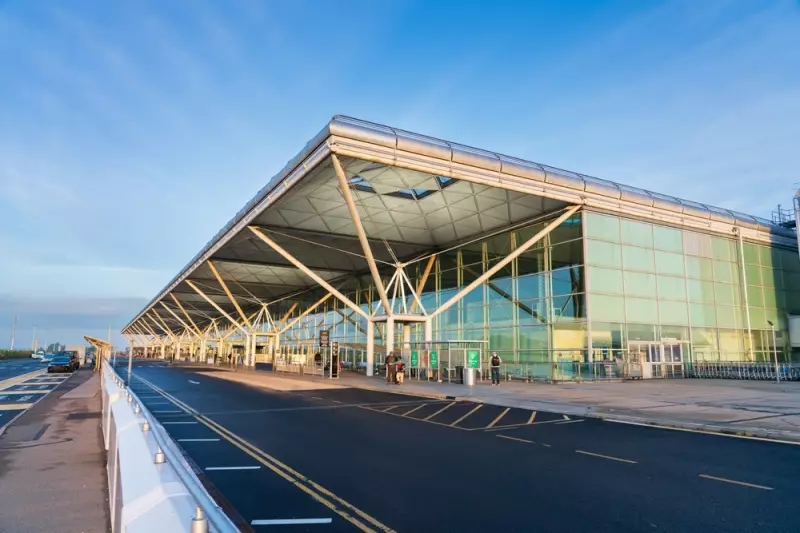
London's Stansted Airport is poised for a transformative surge in capacity after receiving crucial approval to significantly raise its annual passenger limit. The Essex-based hub, currently the capital's third-busiest airport, has been granted permission to welcome up to 51 million travellers each year, a major increase from its current cap of 41 million.
Unlocking Potential Without a New Runway
Unlike contentious expansion projects at rivals Heathrow and Gatwick, Stansted's strategy does not involve constructing a new runway or terminal. Instead, the airport plans to maximise the full potential of its existing runway and optimise underused resources within its current infrastructure. This approach forms the core of its broader £1.1 billion upgrade plan, details of which were unveiled in October 2024, following initial approval in 2023.
The provisional green light came from Uttlesford District Council, though final sign-off is contingent on Stansted meeting specific community obligations. The airport must formally commit to a 'S106 agreement', which will fund local improvements to mitigate the impact of increased traffic. These commitments are expected to include upgrades to the nearby M11 motorway and financial contributions to bolster local bus services.

A 20-Year Vision for Growth and Competition
Stansted's Managing Director, Gareth Powell, expressed pleasure at the decision, stating the expansion presents a "considerable" opportunity to deliver "widespread social and economic benefits" to the region. The growth to 50 million passengers is projected to take around two decades. If achieved, it could position Stansted to challenge Gatwick as the second-largest airport in the UK.
However, the competitive landscape is shifting rapidly. Gatwick itself is pursuing a multi-billion-pound project to add a new runway, while Heathrow is deep into a 'once in a generation' renovation. Luton Airport is also expanding with an additional terminal. This flurry of activity underscores a period of intense investment and growth across London's major aviation hubs.
The Road Ahead: Conditions and Community Benefits
The council's approval is not unconditional. The final passenger increase is dependent on Stansted honouring its pledge to fund infrastructure and community projects. This legally binding S106 agreement is a standard part of UK planning and ensures the airport contributes to managing the consequences of its growth, particularly regarding road congestion and public transport.
Currently handling approximately 30 million passengers yearly, Stansted has substantial room for growth before hitting its new 51-million ceiling. This planned expansion highlights a strategic focus on efficient use of existing assets, setting it apart from other major airport developments in the Southeast and marking a new chapter for this key Essex transport gateway.