US Airports Confront Unprecedented Crisis as Wait Times Soar and Staff Exodus Continues
The acting head of the Transportation Security Administration has issued a stark warning that multiple US airports may be forced to shut down operations as passengers endure what she described as "the highest wait times in TSA history." Ha Nguyen McNeill testified before the House homeland security committee that the current situation represents a "dire emergency" that demands immediate resolution.
Staffing Collapse Creates Security Gridlock
McNeill revealed that approximately 500 TSA employees have resigned since mid-February after failing to receive their regular paychecks. This mass exodus has created catastrophic staffing shortages across the nation's busiest airports. Call-out rates have skyrocketed to 40-50% at multiple major facilities, compared to the normal average of just 4%, as remaining staff "simply cannot afford to report to work."
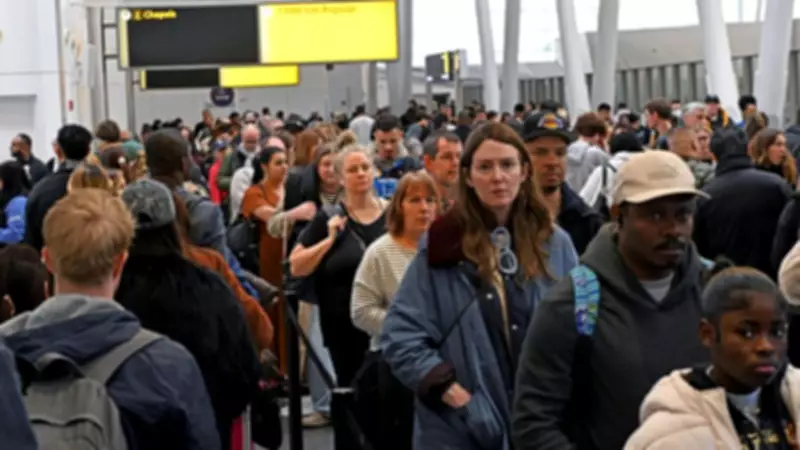
The consequences have been immediate and severe. Security wait times have ballooned to unprecedented levels, with some travelers facing delays exceeding four and a half hours. Houston airport officials reported queues winding through multiple floors of terminal buildings, while New York's LaGuardia Airport experienced lines stretching virtually the entire length of Terminal B on Wednesday afternoon.

Political Deadlock Exacerbates Transportation Emergency
The crisis stems from a prolonged funding impasse between Democrats and Republicans over Department of Homeland Security appropriations. Democrats are demanding reforms to immigration and deportation operations following controversial killings by Immigration and Customs Enforcement officers in Minneapolis earlier this year. This political stalemate has left approximately 50,000 TSA employees without regular compensation since February.
In a controversial move, the Trump administration has deployed ICE agents to assist with what McNeill termed "non-specialized screening functions" at certain airports, including New York's JFK. While White House spokesperson Karoline Leavitt claimed these agents are helping reduce wait times "though not as much as we like," critics argue the presence of immigration enforcement personnel in security screening areas is inflammatory and potentially dangerous.
Human Toll Mounts as Staff Reach Breaking Point
The personal consequences for TSA employees have become increasingly desperate. McNeill described workers who are sleeping in their cars, selling blood and plasma, and taking second jobs to make ends meet while still being expected to maintain peak performance levels in their security roles. This untenable situation has created what airport officials acknowledge is an unsustainable operational environment.
Perhaps most alarming is the 500% increase in assaults against TSA staff since the shutdown began, as frustrated passengers increasingly take out their anger on frontline workers. The combination of exhausted, underpaid staff and increasingly agitated travelers has created what Houston airport director Jim Szczesniak warned could become an unmanageable security situation if funding isn't restored soon.
Long-Term Implications and Rejection of Private Assistance
Looking ahead, McNeill expressed serious concerns about the approaching World Cup in June, noting that proper TSA training requires four to six months and that job applications have "dried up significantly" amid the ongoing crisis. This raises serious questions about the agency's ability to replace departed staff and maintain adequate security staffing levels for major international events.
In a notable development, the White House has reportedly rejected an offer from billionaire Elon Musk to pay TSA wages during the shutdown. The world's richest person made the proposal on his social media platform over the weekend, but according to CBS News, the administration declined the private sector intervention.

As airports redeploy administrative, IT, and maintenance staff to manage security lines, officials warn these are temporary measures that cannot be sustained indefinitely. The transportation security system faces what multiple experts now describe as its most severe operational crisis since the agency's creation following the September 11 attacks.