A powerful and historic winter storm has brought widespread disruption across the eastern United States, leading to massive power cuts and the grounding of thousands of flights. The severe weather system, delivering snow, sleet, and freezing rain, is forecast to sweep the eastern two-thirds of the nation, prompting federal emergency declarations and urgent public warnings.
Widespread Disruption and Federal Response
More than 500,000 homes and businesses are currently without electricity as the storm intensifies. According to data from PowerOutage.us, over 400,000 customers were affected by Sunday morning, with significant outages reported in Mississippi and Texas, alongside Louisiana, Tennessee, and New Mexico. The situation remains fluid, with outage numbers continuing to climb.
In response to the escalating crisis, former President Donald Trump approved federal emergency disaster declarations for twelve states, including South Carolina, Virginia, Tennessee, and Georgia. The Department of Homeland Security confirmed that seventeen states and the District of Columbia have declared weather emergencies, underscoring the storm's severe impact.

Transport Chaos and Airport Operations
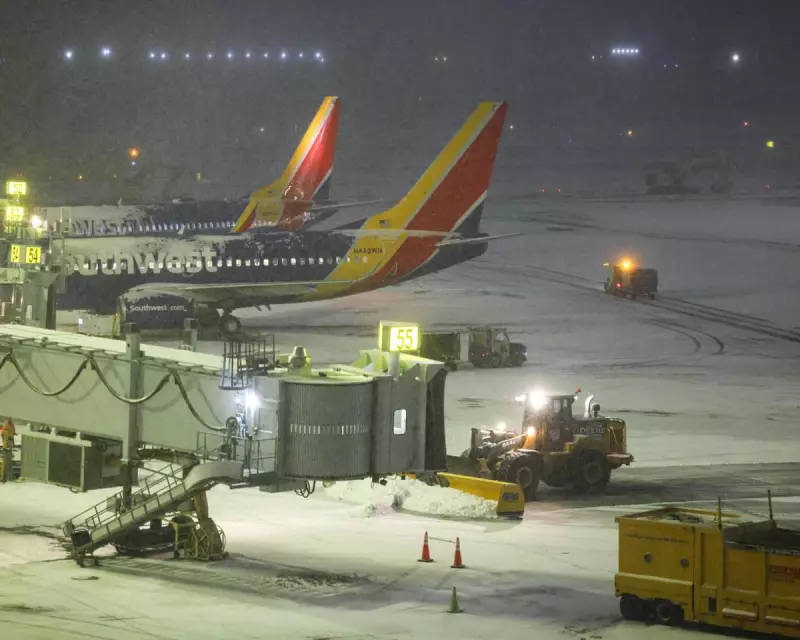
The aviation sector has been hit particularly hard, with more than 9,600 flights cancelled on Sunday alone, following over 4,000 cancellations on Saturday. Major airports, including LaGuardia in New York, have deployed snow removal teams to clear runways and tarmacs, but operations remain severely hampered. The widespread grounding reflects the storm's capacity to paralyse critical transport infrastructure across multiple states.
Government Warnings and Energy Measures
Officials have issued stark warnings, urging residents to take immediate precautions. Kristi Noem, the Secretary of Homeland Security, emphasised the extreme cold, advising people to stock up on fuel and food. "It's going to be very, very cold," Noem stated, adding that utility crews are working tirelessly to restore power as quickly as possible.
To mitigate the risk of further blackouts, the Department of Energy has enacted emergency orders. These authorise grid operators, such as the Electric Reliability Council of Texas and PJM Interconnection in the mid-Atlantic, to deploy backup generation resources and run specified resources without usual environmental or state law constraints, aiming to stabilise the beleaguered power grid.
Forecast and Long-Term Impacts
The National Weather Service has described the storm as unusually expansive and long-duration, predicting heavy ice accumulation in the south-east that could lead to "crippling to locally catastrophic impacts." Forecasters also warn of record cold temperatures and dangerously cold wind chills moving into the Great Plains by Monday, extending the period of hazardous conditions.
This monster winter event highlights the vulnerability of infrastructure to extreme weather, with ongoing efforts focused on restoration and public safety as the nation braces for further challenges in the days ahead.