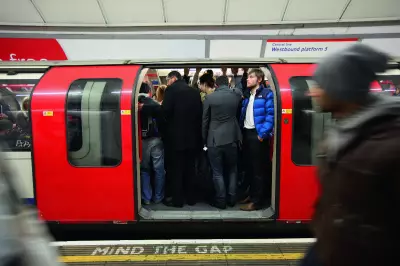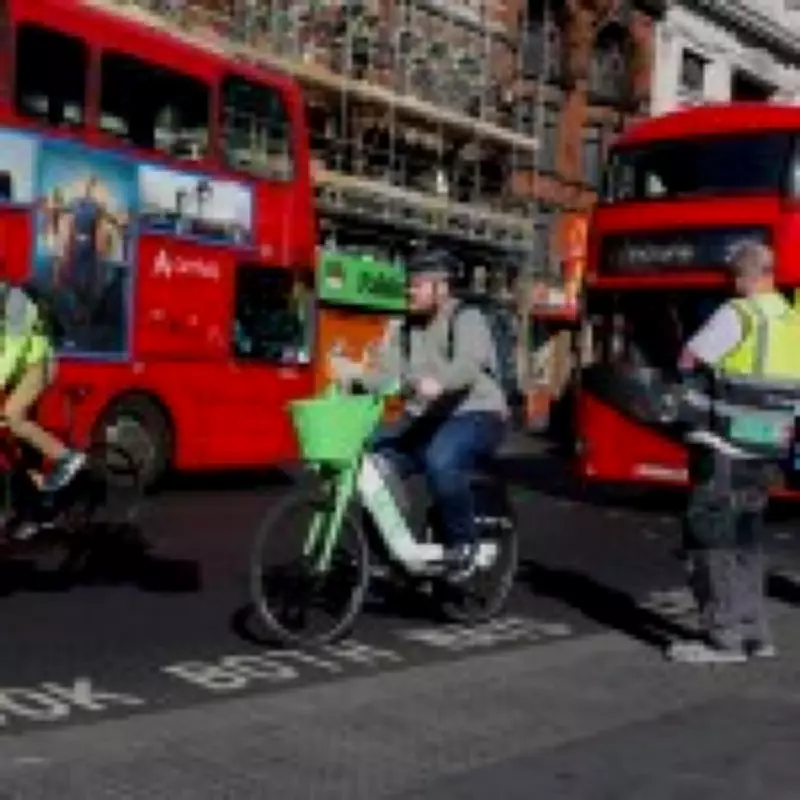
London has resembled Amsterdam during the Tube strikes, with thousands more people cycling, but this surge has also led to a sharp increase in road incidents. The last wave of Tube drivers' strikes officially ended at midday, though disruption is expected to linger into the evening.
Cycling Boom During Strikes
Cycling has boomed this week as commuters turned to bikes to navigate the disruption. Cycle lanes have been packed with both beginners and experienced riders, coexisting with traffic and pedestrians in the controlled chaos of London. On the Embankment, nearly 4,000 riders were counted before 9am yesterday, compared to around 252 on an average day.
Rise in Ambulance Callouts
Figures from the London Ambulance Service obtained by Metro reveal a significant increase in bike-related incidents. Between Tuesday and Thursday this week, there were 44 road traffic collisions involving bicycles, push bikes, and e-bikes, compared to 30 incidents in the same period last week – a 46% rise. Last year, during the same dates, emergency call handlers recorded 31 bike-related incidents. However, the data does not specify whether collisions involved another bike, a pedestrian, or a motor vehicle.

E-Bike Usage Increases
Rental e-bikes have also seen a surge. Lime reported a 23% increase in trips on Wednesday and a 22% rise on Thursday compared to the same time last week. Trip lengths increased by 20% on Wednesday, suggesting riders used bikes for their entire commute. Forest experienced a 50% increase in rides during Wednesday morning rush hour (7am-8am) and a 35% rise during the afternoon rush hour, though the company noted no rise in incidents.
Infrastructure Under Pressure
London now has 267 miles of cycle lanes, but campaigners warn the network is over capacity. Simon Munk, head of campaigns at the London Cycling Campaign, told Metro: 'We are seeing the numbers going up from the strike and people cycling, and we are seeing a lot of cycle tracks at over capacity.' He added that the current boom reflects what will become the average in London in a couple of years. 'For cycling to be a mainstream mode of transport, we need more routes, more capacity, and the boroughs and TfL to deliver that. We need Paris. We need the mayor of London to act like the mayor of Paris does.'
Official Responses
A TfL spokesperson said: 'Walking and cycling are vital to a sustainable transport network. Since 2016, the network has grown from 90km to over 431km, meaning 27% of Londoners now live within 400m of a high-quality cycle route. Disruption such as Tube strikes can encourage more people to try cycling, reinforcing the need to expand the Cycleways network. TfL’s Safe and Healthy Streets investment programme commits over £150m each year, including £94.8m allocated to London boroughs for 2026/27 for safety projects and new cycle routes.'
A spokesperson for Mayor Sadiq Khan said: 'The Mayor is working closely with TfL to ensure London has the quality infrastructure needed to safely meet growing demand. He remains committed to improving road safety through his Vision Zero Action Plan, which aims to eliminate all deaths and serious injuries on London’s transport network.'