Central London Cycle Infrastructure Receives Permanent Status with £1.37 Million Funding
Westminster City Council has officially approved a substantial £1.37 million budget allocation to transform temporary cycle lanes in Marylebone into permanent fixtures. This significant investment marks a decisive step toward enhancing active travel infrastructure in one of London's most iconic districts.
Creating a Segregated Cycling Corridor
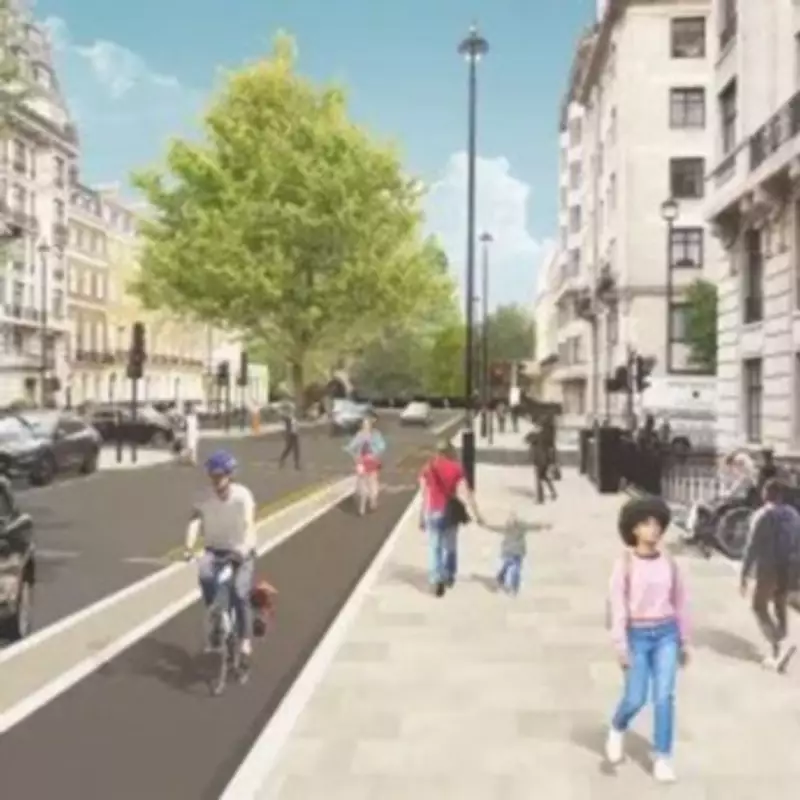
The funding will be specifically utilized to establish a permanent, segregated cycling route along Portland Place. This carefully designed corridor will extend from Park Crescent at its junction with Marylebone Road, continuing southward along Portland Place until it reaches the intersection with Langham Street. This strategic alignment effectively creates a continuous cycling connection between Regents Park at the northern terminus and Regent Street at the southern endpoint.
The project represents a formalization of cycling infrastructure originally introduced as temporary measures during the Covid-19 pandemic. By making these lanes permanent, authorities aim to provide consistent, safe cycling facilities that encourage more residents and visitors to choose active transportation options.

Infrastructure Enhancements and Safety Features
Beyond the segregated cycle lanes themselves, the scheme includes several important infrastructure improvements. A floating bus stop will be implemented for the existing northbound bus stop on the route. This design separates boarding areas from cycling traffic, enhancing safety for both cyclists and bus passengers.
Additional safety measures include pedestrian crossing enhancements, with particular attention to a new zebra crossing on Park Crescent. The council has specifically addressed concerns about accessibility by incorporating an island with a raised pedestrian crossing over the cycle track, along with a designated buffer zone between parking bays and the cycling infrastructure.
Community Response and Future Vision
While the plans have garnered substantial support from cycling advocates, some concerns have emerged during the consultation process. The London Cycling Campaign, represented by Simon Munk, expressed strong endorsement of the scheme while suggesting opportunities for further enhancement.
"We are massively supportive of this scheme but as with any scheme there is more that could be done," Munk stated. "We think it could go further and become bolder and better. We need a true cycling network and this is a step in the right direction."
Specific concerns raised include potential missing connections to adjacent cycling schemes and opportunities for junction improvements. The campaign has also advocated for more ambitious measures, such as closing nearby Regents Park to through traffic to create a more comprehensive cycling network.
During public consultations, some residents expressed reservations about the floating bus stop's potential impact on less mobile and disabled travelers. Council representatives have emphasized that the design includes specific accommodations to address these accessibility concerns.
Official Statements and Broader Implications
Councillor Max Sullivan, Cabinet Member for Streets at Westminster City Council, highlighted the scheme's broader objectives: "This scheme is designed to deliver meaningful benefits for cyclists and support more sustainable transport options in Westminster, helping to create safer, healthier streets for everyone who lives in, works in, and visits the area."
Sullivan further explained the safety rationale behind specific design choices: "Swapping the car parking and the cycle lane around on Portland Place and Park Crescent will make it safer and more comfortable for people on bikes by protecting them from motor traffic."
The council has committed to ongoing community engagement, with Sullivan noting: "We value the views of residents and visitors, and we will continue to listen and engage as we make Westminster a more accessible city for everyone."
This permanent cycling infrastructure represents a significant development in London's evolving transportation landscape, demonstrating a concrete commitment to sustainable urban mobility while balancing the needs of diverse road users.