London Cyclists Report Safer Streets but Lingering Nervousness Demands Further Action
Cycling in London has undergone a significant safety transformation in recent years, yet Transport for London (TfL) faces persistent calls for improvement as many riders remain apprehensive. According to exclusive polling obtained by the Local Democracy Reporting Service, a substantial 43 percent of cyclists in the capital still do not feel secure on the roads, despite the city's celebrated cycling revolution.
Cycling Boom Meets Infrastructure Gaps
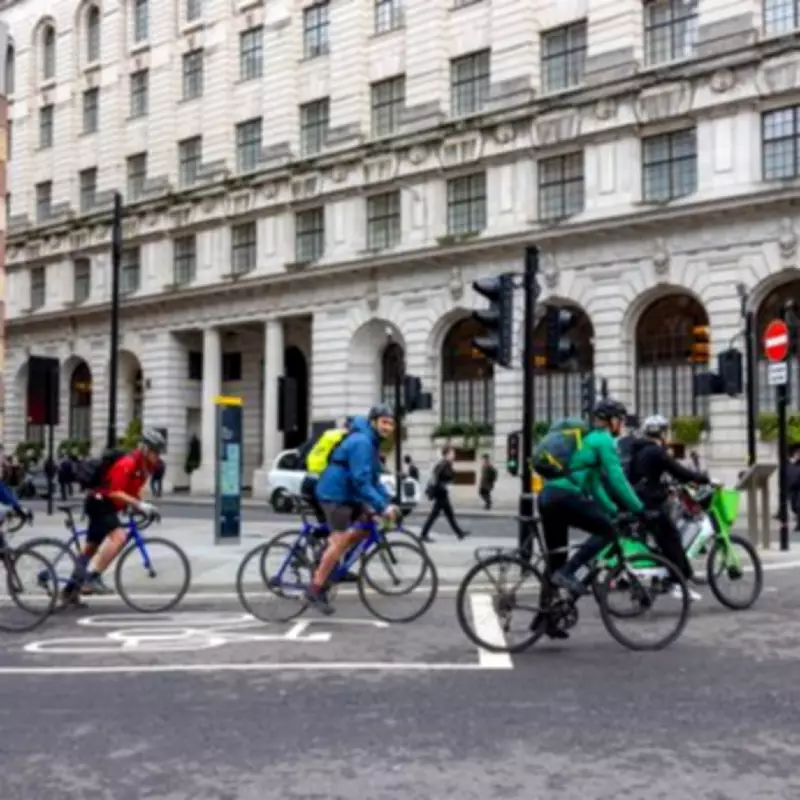
TfL recently revealed staggering statistics showing 1.5 million cycle journeys occurring daily across London, marking a 13 percent increase since 2024 and an impressive 43 percent surge since 2019. The city now boasts 435 kilometers of dedicated cycle routes where riders enjoy protected lanes often separated from motor traffic. However, regular cyclists acknowledge that London still trails cycling utopias like Amsterdam, where two-wheeled transport represents a mainstream lifestyle choice for most residents.
Yahia Abaza, the Tower Hamlets borough coordinator for the London Cycling Campaign with two decades of cycling experience in the city, observes a positive transformation but emphasizes substantial room for growth. "There's plenty of room to grow to make cycling a natural choice for the majority of Londoners," Abaza states, highlighting the patchwork nature of current infrastructure where cycle lanes frequently terminate abruptly, forcing riders to navigate alongside buses, taxis, and mopeds.

Mixed Experiences from London's Cycling Community
The cycling experience in London varies dramatically among different riders. Phoebe Slack, a 30-year-old who regularly rents Lime bikes for her South London commute, praises recent improvements: "I feel like it's changed a lot now with all the cycle lanes. Cars are definitely more aware of cyclists now." Conversely, many cyclists echo Abaza's concerns about inconsistent infrastructure creating overwhelming situations that deter potential riders.
Nico Nugee, a 27-year-old commuter who switched from the Tube to cycling during rush hour, describes London as one of the safest major cities for cycling but acknowledges the learning curve: "I totally get the apprehension, but just practise in safer areas and then start doing it. You'll get very comfortable very quick and it's definitely the best way of getting around."
City Hall's Response and Future Plans
Mayor of London Sadiq Khan addressed cycling safety concerns directly, noting a fourfold increase in safe cycling routes and a nearly 40 percent rise in cycling participation. While acknowledging an increase in cyclist injuries, Khan emphasized this represents a relative reduction when compared to the percentage growth in cycling activity. "It's still too high though," the Mayor conceded, outlining a multi-pronged strategy for further improvement.
Khan's plan includes:
- Targeted improvements at major junctions identified as accident hotspots
- Enhanced enforcement against vehicles causing harm to cyclists
- Implementation of AI technology to help police target dangerous drivers
- More intelligent use of traffic lights to prioritize cyclist safety
The Mayor's commitment reflects ongoing efforts to balance London's cycling boom with necessary safety measures, addressing both infrastructure gaps and enforcement challenges to create a truly comprehensive cycling network that serves nervous newcomers and experienced riders alike.