The prospect of a new Overground line weaving through west London has taken a significant step towards reality, as the Mayor of London commits crucial funding to advance the ambitious West London Orbital project.
Funding Secured for Critical Business Case
Mayor Sadiq Khan has confirmed that his 2026/27 budget will include a substantial allocation of £400,000 specifically designated to progress the business case for the planned West London Orbital line. This financial injection represents a pivotal moment in the project's development, signalling City Hall's serious intent to transform long-held aspirations into tangible infrastructure.
The West London Orbital is positioned as one of three flagship transport initiatives that the Mayor is prioritising for acceleration. It joins the eagerly anticipated Bakerloo line extension and the proposed Docklands Light Railway expansion to Thamesmead in a trio of projects aimed at reshaping London's transit landscape for the coming decades.

Reviving History to Connect Communities
At its core, the proposed line represents a clever piece of urban regeneration, seeking to breathe new life into long-dormant railway infrastructure. The plan involves repurposing an abandoned freight rail corridor that has not carried passenger services since the early 20th century, specifically since 1902.
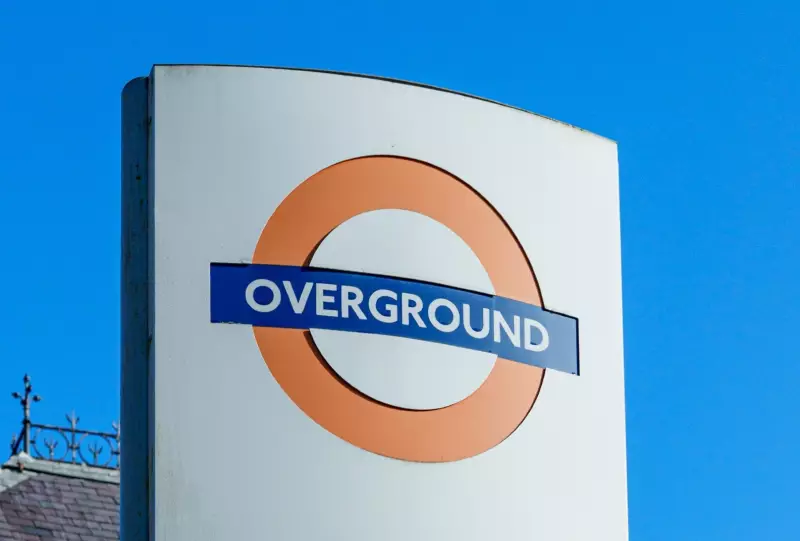
By activating this forgotten route, the new Overground branch would create vital connections across north and west London. The envisioned route would link Hounslow in the west to Hendon and West Hampstead in the north, with a key interchange at the burgeoning Old Oak Common development hub. Upon completion, it would be designated as the seventh distinct branch of the iconic orange Overground network.
Substantial Investment for Transformative Returns
Transforming this vision into steel and concrete will require a considerable financial commitment. Current estimates suggest the total construction cost for the West London Orbital will fall somewhere between £430 million and £610 million. This hefty price tag underscores the necessity of the now-funded business case, which will meticulously outline the project's viability, benefits, and funding strategy.
In return for this investment, proponents forecast a cascade of positive economic and social impacts. The new railway is expected to be a catalyst for development, potentially unlocking thousands of new homes and employment opportunities in areas such as Hounslow, Harlesden, and Hendon. Economic modelling suggests the line could inject approximately £300 million into the local economy within its first decade of operation, revitalising neighbourhoods and improving connectivity for residents.
Political Momentum Builds for 2030s Target
While the project still requires final approval and a much larger funding commitment from central government, the mayoral funding has undeniably boosted its prospects. Bassam Mahfouz, the Labour London Assembly Member for Ealing and Hillingdon, captured the growing optimism, telling the Standard that the West London Orbital is shedding its image as a distant pipe dream.
Mahfouz suggested that this development could potentially see construction commence as early as next year, with passenger services finally launching in the early 2030s. This timeline offers Londoners a concrete horizon for a project that promises to reshape travel across a significant swathe of the capital, reducing reliance on roads and buses while stitching together communities currently poorly served by rail.
The journey towards the West London Orbital remains complex, but with dedicated funding now on the table to solidify its business case, the dream of a new orange line on the map is undoubtedly picking up speed.