A fresh debate over the effectiveness of speed cameras is gaining momentum across the United Kingdom. The central question is whether highly visible enforcement tools are actually encouraging bad driving habits, rather than promoting consistent compliance with the law.
The Core of the Controversy
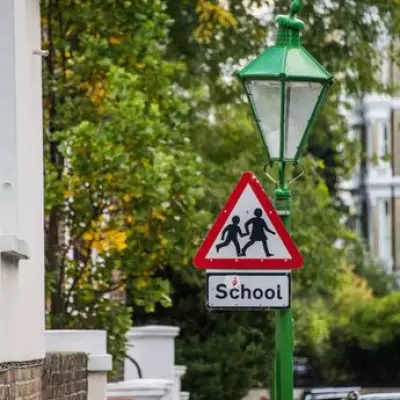
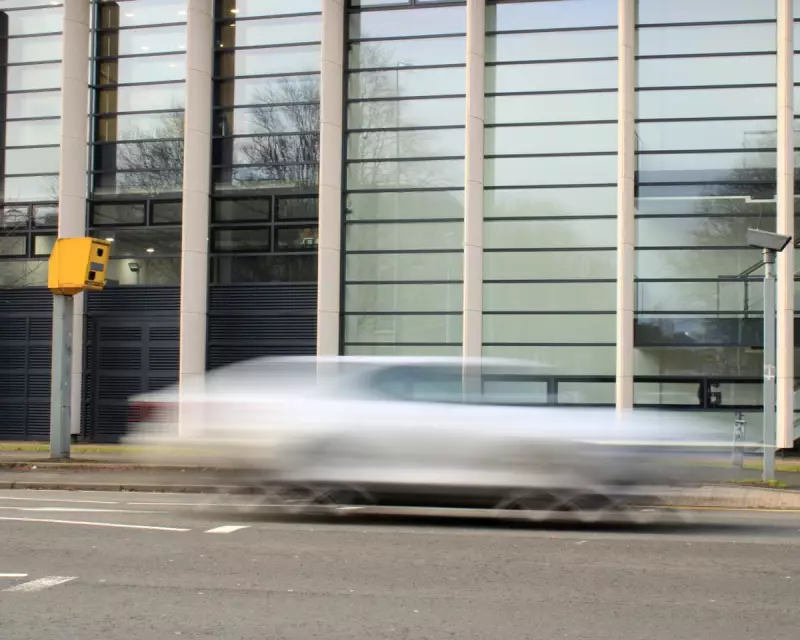
The argument, put forward by a reader from Cornwall named Amy in a public forum, suggests a significant flaw in current systems. She points out that the widespread use of camera-warning signs and smartphone applications allows motorists to simply slow down momentarily at known enforcement spots before resuming speeding immediately afterwards. This behaviour, she contends, makes a mockery of the intended purpose of speed limits, especially on local roads with 20 or 30 mph restrictions designed to protect pedestrians and cyclists.
Amy, who identifies as a driver, pedestrian, and cyclist, expressed frustration at seeing cars "zooming down local roads at way more than 20 or 30mph." She also noted that while flashing speed indicator signs show drivers their speed, they carry no penalty for those who choose to ignore them.

A Call for Government Action
This public concern has now been linked to potential government policy. With the UK government launching new consultations on road safety, there is a growing call for officials to formally consider the tactic of hiding or partially concealing speed cameras. Proponents believe that less predictable enforcement would deter speeding more effectively across entire journeys, not just at specific blackspots.
The debate forms part of a long-running reader-led series where the public answers each other's questions on diverse topics. The discussion on speed cameras is set to be published alongside other queries, such as the psychology of "faking it till you make it."
Balancing Deterrence and Driver Trust
Opponents of hidden cameras often argue that visible enforcement acts as a clear deterrent and maintains a sense of transparency and fairness with the driving public. They believe the primary goal is to reduce speed at known accident hotspots, which fixed, signed cameras achieve. However, the counter-argument insists that true road safety requires a constant adherence to limits, not a game of cat and mouse with technology.
The outcome of this debate could influence future road safety strategies as authorities grapple with improving safety for all road users, particularly in residential areas and communities plagued by speeding traffic. The government's forthcoming consultations may provide a critical platform for this issue.