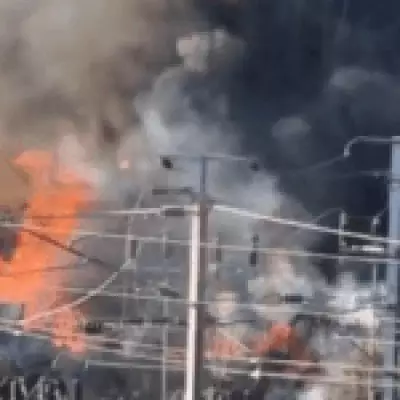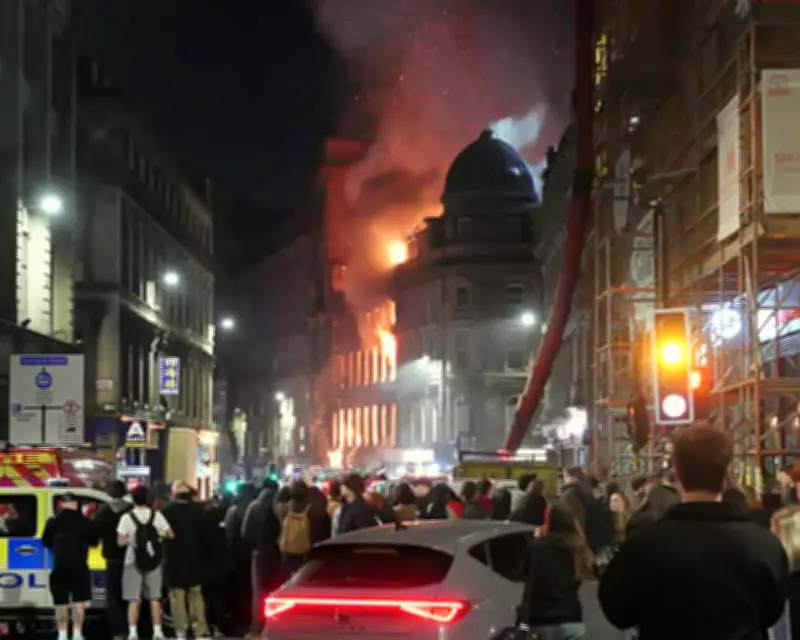
More than 60 firefighters were deployed to combat a significant building fire on Union Street in Glasgow, causing major disruptions to rail services and leading to the partial collapse of the historic structure. The incident, which began on Sunday evening, has resulted in the closure of Glasgow Central station, Scotland's busiest rail hub, with no trains operating to or from its high-level platforms and services bypassing the low-level platforms.
Fire Details and Emergency Response
The Scottish Fire and Rescue Service was alerted at 3:46 PM on Sunday, March 8, to reports of a fire affecting the ground floor of a four-storey commercial building. At its peak, the response included 12 fire appliances and three high-reach vehicles, with crews working tirelessly to extinguish the blaze. A spokesperson confirmed that there were no reported casualties, but the building, dating back to 1851, has suffered partial collapse according to Paul Sweeney, the Labour MSP for Glasgow.
Impact on Rail Services
National Rail announced that Glasgow Central station would remain closed indefinitely as firefighters continued their efforts five hours after the fire started. This closure has led to dozens of train cancellations, severely affecting passengers. In response, some ticket acceptance measures have been implemented; for instance, Avanti West Coast passengers can use their tickets on LNER services between Edinburgh and London King's Cross at no extra cost.

Historical and Structural Concerns
Paul Sweeney expressed concern over the fire's impact, noting that while adjacent structures like the Forsyth Building, Caledonian Chambers, and Central Hotel appear unaffected, the incident represents a significant setback for Union Street. He highlighted the potential threat to ongoing restoration projects, such as the Egyptian Halls, emphasizing the blow to the area's architectural heritage.
The fire near Glasgow Central station underscores the challenges of managing emergencies in densely populated urban areas, with authorities monitoring the situation closely to ensure public safety and minimize further disruptions.