Greenwich Council Rejects Final Attempt to Challenge Permanent Low Traffic Neighbourhoods
Greenwich Council has decisively blocked a final attempt to challenge the permanent implementation of two contentious Low Traffic Neighbourhood (LTN) schemes in South London. This move comes just days after the Labour-run authority denied allegations that it had "airbrushed" evidence of public opposition from its official reports on the traffic management initiatives.
Conservative Councillor's Call-In Request Denied
Conservative councillor Charlie Davis had sought to call in the Traffic Management Order (TMO) decision, which is necessary to make the West and East Greenwich Neighbourhood Management Scheme permanent. Davis argued that the LTN scheme required further scrutiny, particularly given that approximately 80 percent of respondents in the original consultation had expressed opposition.
However, Greenwich Council rejected Davis's request, stating it was not valid because it related to a decision that had already been subjected to a call-in process. This likely refers to a November meeting of the council's Overview and Scrutiny Call-in Sub-Committee, where the scheme was extensively debated. After hearing representations from both supporters and opponents, the committee decided to take no further action, allowing the council to proceed with making the trial scheme permanent.

Contentious Scheme Divides Local Communities
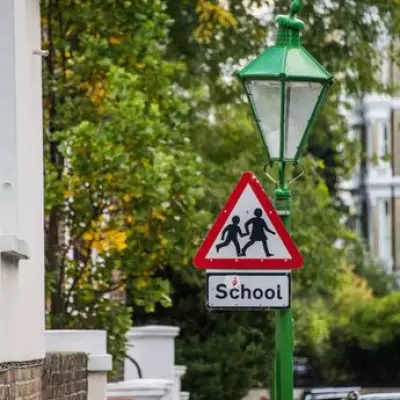
The LTN scheme, which aims to reduce traffic and improve air quality in two residential areas of Greenwich, prevents motorists from traveling through the neighbourhoods during peak commuting hours. Camera-enforced filters issue Penalty Charge Notices (PCNs) to drivers caught between 7am and 10am, and from 3pm to 7pm on weekdays.
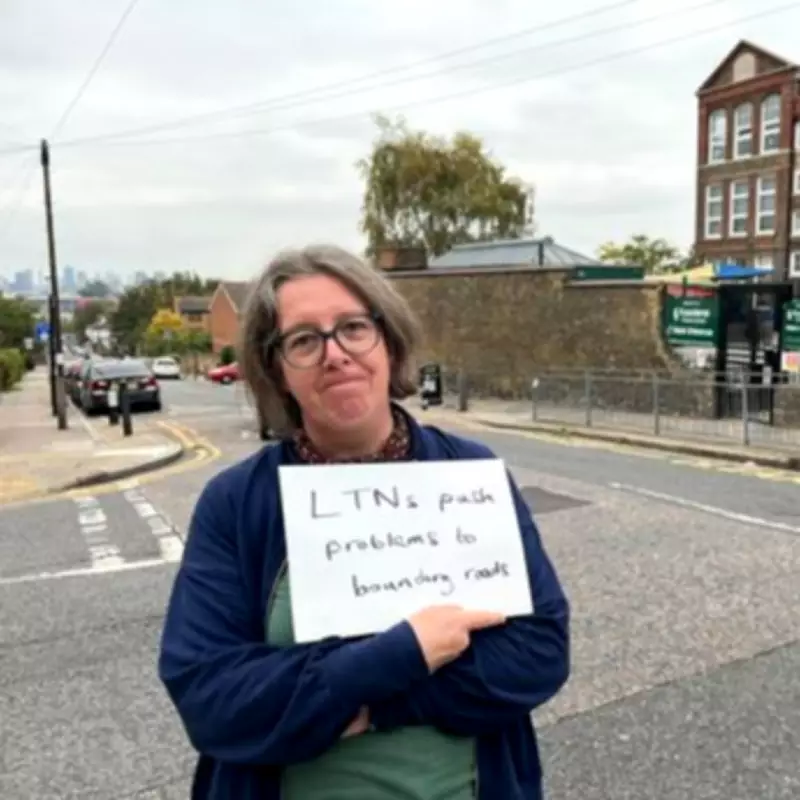
The initiative has proven highly divisive. Supporters, typically residents living within the LTN boundaries, argue that roads have become safer for pedestrians and cyclists. Opponents, often residents from adjacent areas like Charlton, contend that the restrictions have merely displaced traffic onto their roads, creating congestion and safety concerns.
Eleanor Restall, chair of the West Charlton Residents Association, criticized the council's approach, stating: "The council is hiding key traffic and accident data for the LTN scheme. Rules on consultation, making changes and publishing decisions have been breached in a way that utterly destroys public trust in their fitness to govern Greenwich."
Council Defends Decision and Consultation Process
Greenwich Council has firmly rejected claims that the consultation process was "biased, undemocratic or secretive." The authority maintains that all public opposition was noted and considered during the decision-making process. The council decided to make the scheme permanent after finding that it had decreased traffic throughout the entire area by 6 percent and slightly improved air quality within the LTN zones.
Councillor Calum O'Byrne Mulligan, Greenwich Council's cabinet member for climate action, sustainability and transport, defended the decision: "This scheme is helping us make our streets safer and cleaner, reducing rat running, accidents and overall traffic, while improving overall air quality and the number of journeys taken on foot or bike. These are fundamentally positive changes which show that, while not without challenges, this scheme is already delivering."
O'Byrne Mulligan added that the council had listened to residents' concerns and was implementing changes, including doubling the number of blue badge exemptions and repositioning some cameras. He emphasized that making the scheme permanent would provide certainty to local residents and businesses while enabling the exploration of mitigation measures for neighbouring areas.
Political Tensions and Future Implications
The controversy has intensified political tensions in the borough. Councillor Davis accused the Labour-dominated council of pursuing an "ideological crusade against drivers" and warned that the party would pay a high price in the upcoming May elections for railroading local communities. He characterized the council's rejection of his call-in request as an attempt to avoid public scrutiny.

Despite the opposition, Greenwich Council remains committed to the LTN scheme as part of its broader efforts to address air pollution, reduce traffic, and promote sustainable transport. The authority argues that maintaining the status quo is not a viable option given the pressing issues of local air pollution, traffic congestion, and dangerous rat-running through residential areas.