Pothole Crisis Deepens: Repair Backlog Hits Record £18.6bn in England and Wales
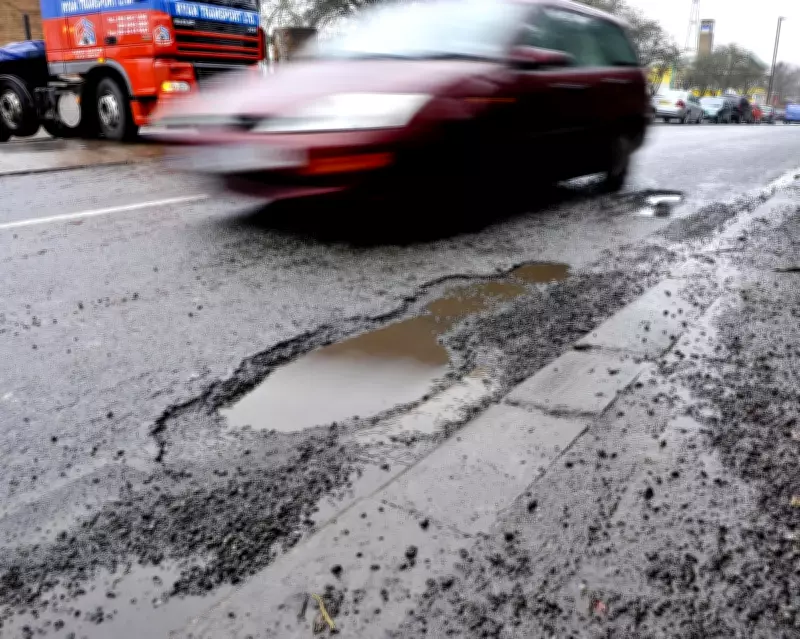
The deteriorating state of local roads across England and Wales has reached a critical point, with the backlog for pothole repairs soaring to an unprecedented £18.6 billion. This alarming figure comes from the latest annual report by the Asphalt Industry Alliance (AIA), which highlights a losing battle against road degradation despite councils filling approximately 1.9 million potholes last year.
A National Disgrace Exacerbated by Weather
David Giles, chair of the AIA, did not mince words when describing the situation. "I think all road users would agree that the condition of our local roads has become a national disgrace," he stated. The problem has been significantly worsened by an exceptionally wet winter, which has accelerated the deterioration of already fragile road surfaces. Currently, only half of the road network is reported to be in good condition, a statistic that underscores the scale of the crisis.
The estimated cost for a comprehensive, one-time repair of all potholes has increased by £1.8 billion since 2025. This rise occurred despite the government allocating £1.6 billion last year, which included an additional £500 million specifically aimed at helping local authorities address road repairs. The AIA report suggests that new potholes may be forming at a faster rate than additional funding can be deployed to fix them.

Industry Leaders Sound the Alarm
Edmund King, president of the AA, echoed the severity of the report's findings. "This report starkly warns us how much more needs to be done to eradicate this plague of potholes," he said. King pointed to the tangible impact on drivers, noting that record wet weather combined with substandard roads has transformed many local routes into "patchwork obstacle courses."
Simon Williams, head of policy at the RAC, added that roads are "in a woeful state of disrepair," with breakdown reports mentioning potholes increasing significantly since the beginning of the year. Nicholas Lyes, director of policy at the safety charity IAM RoadSmart, provided a dire assessment: "About one in six local roads are effectively on life support with less than five years of structural integrity remaining." He called for a long-term investment strategy focused on proper surface maintenance rather than temporary "patch and dash" repairs that fail quickly in bad weather.
Government Response and Long-Term Challenges
A spokesperson for the Department for Transport acknowledged the report's findings, stating it "rightly highlights the need to improve our roads." The spokesperson emphasized that after years of underinvestment, the government is providing a record £7.3 billion in long-term funding to help councils resurface roads and combat the pothole problem. Signs of progress were noted, including a 15% increase in pothole-prevention works in 2025 compared to 2024, along with a new ratings system to monitor how funds are spent.
"We will hold councils to account, ensuring they use this money to plan ahead and deliver safer, smoother journeys," the spokesperson added. However, Giles warned that it would be "some time before the impact of increased funding levels, if fully delivered, will be noticed by the public."
Broader Impacts and Driver Behavior
The pothole crisis extends beyond repair costs, affecting drivers financially and influencing vehicle choices. A separate survey by KwikFit revealed that pothole damage cost UK drivers a record £1.8 billion over the past 12 months. Additionally, the poor condition of roads has prompted 2.5 million drivers to purchase larger vehicles, such as SUVs, which are better equipped to handle bumps but may exacerbate road surface damage due to their increased weight.
Spring often reveals potholes in full bloom, as holes typically form during winter when rain seeps into cracks in road surfaces. When temperatures drop, the water freezes and expands, creating larger cracks and further compromising road integrity. This cyclical process highlights the need for proactive and sustained maintenance efforts to address the root causes of road deterioration.