Record £8.4 Billion Road Maintenance Investment Announced for England
The UK government has committed to spending a historic £8.4 billion on road maintenance across England as part of a comprehensive £27 billion five-year investment strategy for the nation's major road network. This substantial funding allocation represents the largest ever dedicated to maintaining and improving England's A-roads and motorways.
Comprehensive Five-Year Road Investment Strategy
This ambitious investment forms the core of the government's third Road Investment Strategy, known as RIS3, which outlines a detailed plan for enhancing England's strategic road infrastructure between 2025 and 2030. The £27 billion total investment package includes funding for both maintenance and new construction projects designed to modernize the country's transportation network.
Transport Secretary Heidi Alexander emphasized the significance of this investment, stating: "For too long this country has failed to tackle and fix our crumbling infrastructure, but this huge £27 billion investment in our roads will secure the future of our road network for years to come."

Maintenance and New Construction Priorities
The maintenance component of the strategy includes:
- Resurfacing approximately 25% of England's strategic road network
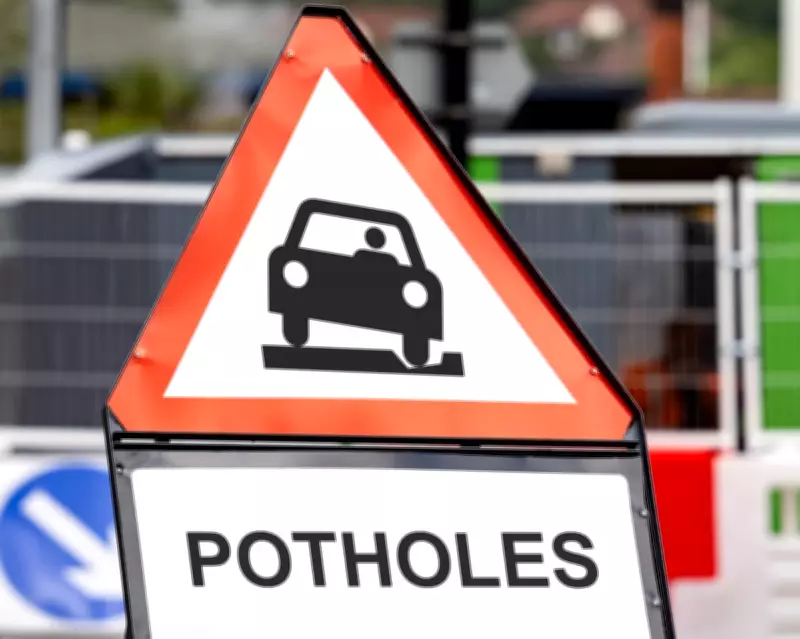
- Addressing pothole repairs across the national highway system
- Implementing general road renewal and improvement projects
In addition to maintenance, the strategy allocates funding for 16 new road construction schemes, including the controversial £1.65 billion Lower Thames Crossing project, which represents Britain's largest planned road building initiative in decades. This project aims to alleviate congestion in the southeast, particularly for freight traffic moving from Channel ports to areas north of London.
Controversial Projects and Campaigner Criticism
The investment strategy has drawn criticism from transportation campaigners who argue that certain projects represent poor value and outdated approaches to transportation planning. The Transport Action Network has specifically questioned the inclusion of projects like the dualling of the A66 between Cumbria and North Yorkshire and new junctions for the A39 in Derby.
Chris Todd, director of the Transport Action Network, expressed concerns about the strategy's approach: "In the 21st century we really should be doing something better than building bigger roads in urban areas." He further criticized the government's road safety targets as insufficiently ambitious, noting that at current improvement rates, the goal of zero harm on national highways wouldn't be achieved until after 2090.
Local Road Funding and Strategic Priorities
The Department for Transport has clarified that the £8.4 billion for A-roads and motorways represents additional funding beyond the £7.3 billion already allocated to local authorities for pothole repairs and local road maintenance in the recent spending review. Government officials have stated that the 16 funded schemes were selected based on rigorous assessments of value for money and deliverability, with particular emphasis on projects that would stimulate economic growth in underserved communities.
Transport Secretary Alexander highlighted the comprehensive nature of the investment: "Not only are we investing in renewing our roads, meaning smoother and faster journeys for drivers, we are getting on with investing into brand new projects and fixing potholes, which will deliver benefits across the country from Norwich to Manchester."
The strategy represents a significant commitment to addressing England's transportation infrastructure challenges while balancing maintenance needs with strategic new construction, though it continues to face scrutiny from environmental and transportation advocacy groups concerned about its long-term sustainability and effectiveness.