Distracted Driving Evolves: Video Streaming Behind the Wheel Poses New Risks
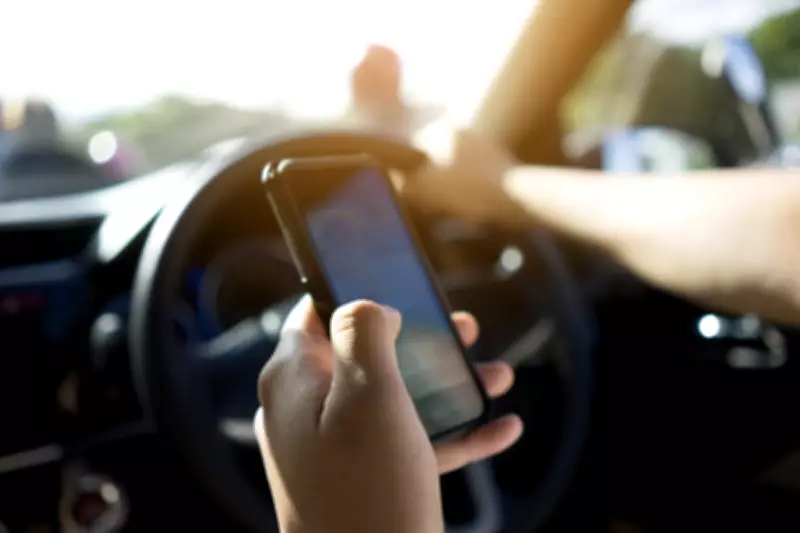
As cellphones have become ubiquitous, the dangers of texting while driving have been widely recognized, with slogans like "It can wait" plastered on highway billboards across the United States. However, experts are now sounding the alarm on a new and growing threat: drivers watching videos, using touchscreens, and even livestreaming from behind the wheel. This shift in behavior is leading to increased risks of crashes, with recent data highlighting a troubling trend in distracted driving fatalities.
A Passenger's Terrifying Experience
Jackie, a 32-year-old publicist from New Jersey, experienced this firsthand during a 40-minute Uber ride last fall. She noticed her driver intermittently glancing at a video playing on his phone, which she guessed was a video podcast. "I was definitely feeling a lot of dread and distress," she recalled. Feeling vulnerable as a lone passenger, she hesitated to speak up, fearing the driver's reaction. Although she arrived safely at her doctor's appointment, the experience rattled her—and it happened again just hours later on her return trip. Jackie filed a complaint with Uber, which responded by promising not to pair her with that driver again, but she emphasized the need for greater awareness: "The fact that it happened twice shows that it's a problem."
The Rise of Video Distractions
Charlie Klauer, a research scientist and associate professor at Virginia Tech who studies distracted and fatigued driving, notes a progression in driver behavior. "The progression has gone from texting to browsing and looking and watching, which we now see a lot of. It's Instagram, Snapchat, TikTok and a wide range of things." This trend is not limited to young drivers, though new drivers aged 15 to 20 make up the largest proportion of those distracted during fatal crashes. Klauer observes high prevalence across age groups, particularly among those in their early to mid-20s.

Joel Feldman, an advocate against distracted driving since his daughter Casey's death in a 2009 accident, hosts school assemblies to educate students. "I talk to kids, and they'll say that they take a quick look at a TikTok video while behind the wheel," he said. "I didn't hear that five years ago. It comes up whether I'm giving talks in New Jersey, Pennsylvania, Colorado or Maryland."
Legal and Technological Challenges
The legal landscape struggles to keep pace with this evolution. While 49 states and Washington D.C. have laws against texting while driving, only 33 prohibit handheld device use, and many laws predate the rise of streaming. States like Connecticut and Virginia are considering bills to outlaw streaming or livestreaming from the driver's seat, but gaps remain. For instance, drivers can easily purchase devices like a $70 firestick to watch Netflix or YouTube, complicating enforcement.
Ironically, car manufacturers have contributed to the problem by making touchscreens ubiquitous in new models. A 2023 study found that car infotainment systems generated 42.6 complaints per 100 vehicles—more than any other system. Some brands, including Hyundai and Volkswagen, are reverting to physical buttons in 2026 models, but 97% of post-2023 cars still feature touchscreens. These screens, used for maps, streaming, and calendars, require drivers to look away from the road. A 2020 UK study even found that using Apple CarPlay and Android Auto weakened reaction times more than alcohol or cannabis use.
The Harsh Reality of Statistics
Fatalities from car crashes decreased after safety innovations like seatbelts and airbags in the 1970s but have ticked up post-pandemic. Experts cite factors such as larger cars, higher speed limits, and smartphone use. According to the National Highway Traffic Safety Administration (NHTSA), 3,275 people were killed due to distracted driving in 2023, with over 300,000 injured. Klauer emphasizes the risk: "The public believes that hands-free is safe, but anything that causes you to take your eyes off the roadway increases risk significantly." She cites the "two-second rule," where odds of a crash double if eyes are off the road for more than two seconds.

Extreme Cases and Public Awareness
In extreme cases, drivers are not just watching but creating content. In November, a 43-year-old woman allegedly killed a man while livestreaming from her car, with viewers hearing the impact. Another incident involved Twitch streamer Jalen Melton, who collided with another car in Atlanta while seemingly livestreaming; his account was deactivated afterward.
As awareness grows, advocates like Feldman and researchers like Klauer push for stricter laws and public education. Klauer concludes, "We're definitely seeing increased risk with the touchscreen itself. Whether that touchscreen increases the prevalence of watching videos and movies, one might think so, but I don't have any data to actually say that's true." The need for action is clear to prevent further tragedies on the road.