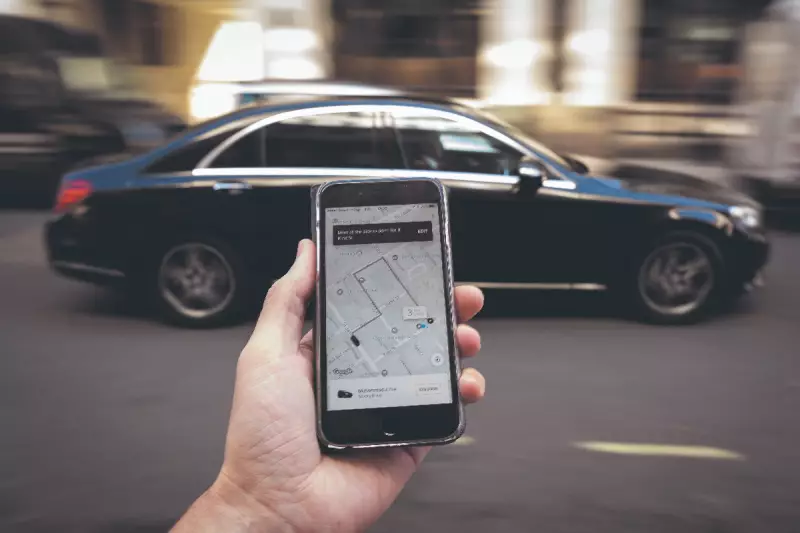
Uber is confronting the threat of a significant driver exodus after a controversial contractual overhaul at the start of the new year. The changes, designed to sidestep a substantial VAT liability, have ignited fury among drivers, with many now threatening to defect to rival apps or even return to traditional black cabs.
Driver Fury and the End of a Tax Break
Internal documents seen by City AM reveal a wave of anger in private driver messaging groups. Members of Uber's fleet are urging colleagues to reject the new terms, which they argue effectively turn them into "tax collectors" for the platform. This unrest follows the removal of the Tour Operators’ Margin Scheme (TOMS), a niche tax break that ceased to apply from 2 January 2026.
The Treasury had previously estimated that closing this scheme would generate around £700 million annually for public funds. In response to the change, drivers are reportedly exploring options with competing platforms and local minicab firms. There are also calls for organised action, including a "mass log off" and protests outside Parliament.

Uber's Defence: A Necessary Market Alignment
Despite the backlash, Uber remains bullish. The company asserts that the transition is a necessary step to align with the rest of the UK private hire market outside London. It has confirmed no service disruption and clarified that the update shifts its regional operations to an 'agent' business model.
This model, standard for most private hire operators beyond the capital, repositions Uber as a booking agent rather than the principal transport provider. Crucially, this means VAT is only applied to Uber's service fee, not the entire fare. As the majority of drivers earn below the £90,000 VAT registration threshold, Uber argues this structure prevents a 20 per cent price hike for passengers, keeping essential transport affordable.
The ride-hailing giant insists the new terms do not alter the portion of the fare it retains and has not introduced variable commission. It attributes screenshots showing varying service fees to its dynamic marketplace practice, which adjusts to balance supply and demand. In some cases, the fee can drop to as low as three per cent to stimulate demand during off-peak hours or poor weather.
Leveraging Worker Benefits to Retain Drivers
In a bid to retain its workforce, Uber is heavily promoting its status as the only major sector player to designate all UK drivers as 'workers'. This classification, secured through an agreement with the GMB Union, provides a suite of benefits not typically available to self-employed drivers.
These benefits include:
- A guaranteed National Living Wage.
- Holiday pay (12.07% of earnings, paid weekly).
- A pension plan with contributions from Uber.
- Free sickness and injury protection.
- Parental payments and free university courses.
An Uber spokesperson stated that the vast majority of total fares go directly to drivers and emphasised that passenger demand continues to grow. "All drivers receive a weekly summary of their earnings, which shows exactly what Uber and the driver received from trips," they told City AM. "We are proud that thousands of drivers continue to make the positive choice to work on Uber."