Central Line's £500m Upgrade Faces Major Setbacks with Minimal Progress
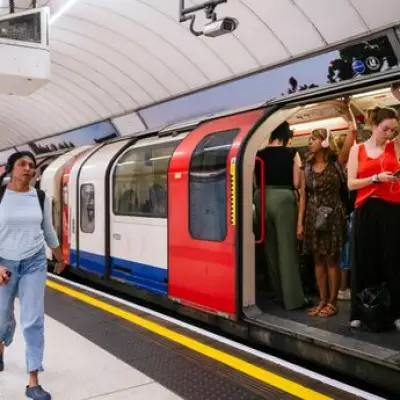
The ambitious £500 million upgrade programme for London's Central line has encountered significant delays, with the project barely making headway since its inception. According to figures obtained through a freedom of information request, just four out of 71 trains on the key underground route serving the City of London had been successfully refitted by the beginning of 2026.
Sluggish Pace Threatens Project Timeline
Despite the upgrade project being set in motion as far back as 2023, progress has been disappointingly slow. Transport for London commissioners had previously promised that one upgraded train would enter service every month from the project's launch. However, with only another four trains expected to be completed by the end of 2026, the current completion rate suggests the entire refit would not be finished until 2043 if maintained.
The Central line upgrade represents a cost-saving alternative to completely replacing the ageing train stock, which was first introduced into service in the early 1990s. A full replacement would likely cost more than £1 billion, making the refurbishment programme a more financially viable option for TfL.

What the Upgrade Entails
The comprehensive refurbishment plans include several key improvements to enhance passenger experience and operational efficiency:
- New seat moquettes for improved comfort and durability
- New motors to enhance performance and reliability
- New in-car information screens for better passenger communication
However, unlike the ongoing Piccadilly line upgrade, the refitted Central line trains will not include air conditioning systems, a decision that has drawn some criticism from regular commuters.
Impact on City Commuters
The delayed upgrade programme comes as a particular blow to City commuters who have been experiencing increasingly unreliable service on the Central line. Passengers have reported trains arriving less frequently and regular station closures disrupting their daily journeys.
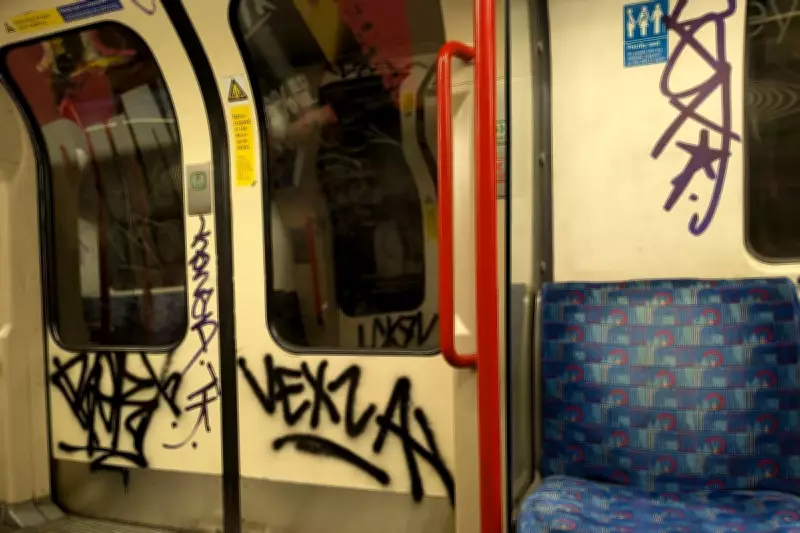
Compounding these service issues, the ageing train stock has been plagued with graffiti problems over the past year. TfL has attributed these circumstances to cleaning issues at its maintenance depots, highlighting the pressing need for the refurbishment programme to address both aesthetic and functional concerns.
TfL's Response and Reassurances
Despite the slow progress, Transport for London remains committed to the project's original timeline. Richard Jones, TfL's director of asset performance delivery, has insisted that the rate at which refitted Central line trains re-enter service will accelerate significantly in the coming months.
"We are undertaking the most significant overhaul project in the history of London Underground," Jones stated. "This crucial and innovative work will refresh the ageing trains on the Central line and ensure trains will continue to operate, extending their working life."
Jones explained that while only four newly refurbished trains have entered service so far, with four more expected in 2026, essential testing is currently underway. Once this testing phase is completed, the rate at which trains enter service is expected to increase substantially.
The completion date remains unchanged, with TfL working toward having all trains upgraded by the end of 2029. This ambitious target will require a significant acceleration in the refurbishment rate from the current pace, presenting both a challenge and an opportunity for London's transport authority to demonstrate its project management capabilities.