Central Line Upgrade Delays Spark Fury as Commuters Report Job Losses
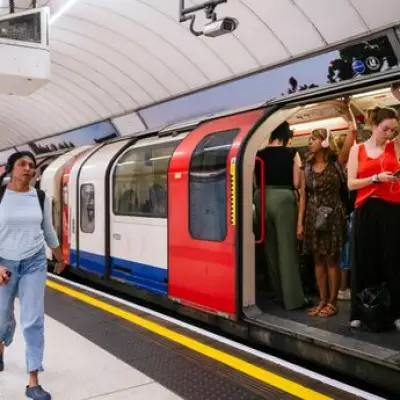
Transport for London is facing intense criticism over significant delays to a major refurbishment programme for the Central line, with reports emerging that commuters have lost their jobs due to the ongoing disruption. The project, which aims to upgrade the entire fleet of approximately 80 trains by the end of 2029, has seen minimal progress, with only three trains fully renovated since October 2024.
Project Progress and Technical Setbacks
At a recent Epping Forest District Council committee meeting, TfL engagement lead Jasmit Jabbal revealed that ten Central line trains should have been refurbished by this point. However, the project was derailed by widespread motor failures affecting dozens of trains. Engineers were forced to shift their focus urgently to prevent sections of the line from becoming inoperable.
"Each individual wheel had a bespoke motor that was fitted, and when they started failing, there was no way to predict why or when this would occur," Mr Jabbal explained to frustrated councillors. "We had to bring in staff from across the board and work night and day to replace every motor on every wheel on every train."

This unexpected crisis led to approximately eighteen months of severely disrupted service on the Central line. Mr Jabbal acknowledged the situation was "horrific" for passengers, noting that a regular timetable has only been restored in the last six months.
Human Impact: Commuters Facing Severe Consequences
The disruption has had profound personal and professional consequences for residents relying on the line. Councillor Faiza Rizvi shared a distressing case from her Chigwell ward involving a young graduate.
"A young man in my ward who had recently started a graduate job at a legal firm in the City was travelling daily from Chigwell to Bank," she said. "He was on a six-month probation and during that period he was late at least two to three times a week despite taking two trains earlier to get him into work for 9am."
The councillor revealed the ultimate outcome: "He ended up losing his job. He has a young family and is now unable to earn a living, and he's unable to get another graduate job because of an unreliable work commute. It's unacceptable; the impact of this is profound."
Councillor Rizvi added that another resident on an apprenticeship was formally warned that continued lateness caused by the Central line issues would result in job termination.
Service Prioritisation and Passenger Frustration
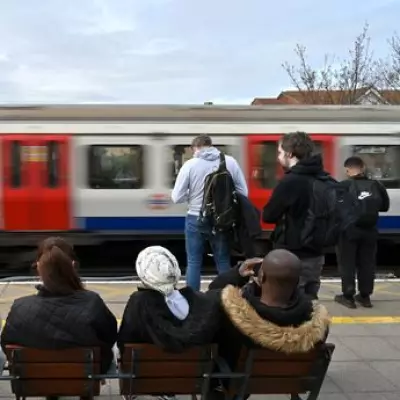
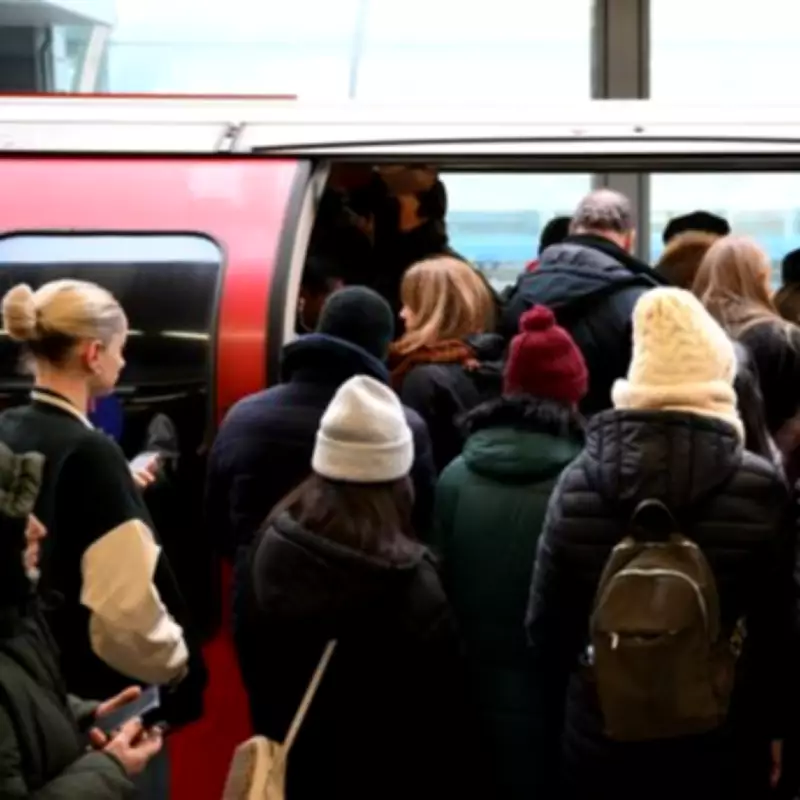
A key point of contention has been TfL's decision to prioritise Central line services to Hainault via Newbury Park over other sections of the line, including branches to Loughton and Epping. This has led to passengers on these routes experiencing waits of up to twenty minutes during peak times.
TfL defended this strategy, stating that its studies indicated higher demand for services to Hainault during the disruption. However, this justification was met with scepticism from local representatives.
Loughton ward councillor Stephen Murray challenged TfL's data, stating, "Residents can see with their own eyes the imbalance with the amount of trains going to Hainault instead of Loughton or Epping. By the time the third Hainault train comes it’s empty, but when the Epping one finally comes it’s packed."
Path Forward and Current Status
With the immediate motor crisis resolved, the Central line upgrade project is now back on track. Currently, four fully refurbished trains are operational, with another set scheduled for completion before the end of March. The long-term goal remains to refurbish the entire fleet by the 2029 deadline.
Despite this progress, the episode has highlighted the severe real-world impact of public transport failures on Londoners' livelihoods, raising urgent questions about contingency planning and communication during major infrastructure projects.