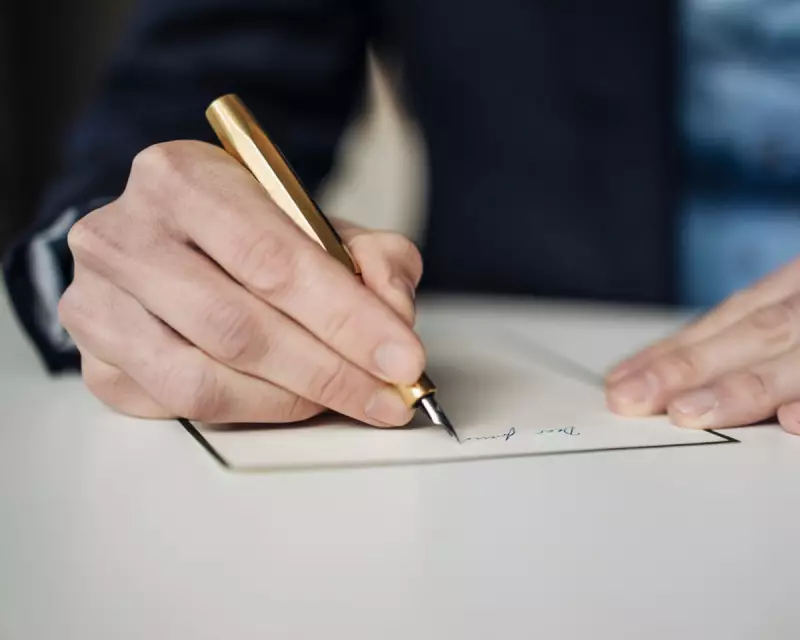
The romantic notion of a solitary writer, penning a letter by lamplight, feels increasingly like a relic of a bygone era. This week, that shift from tradition to digital reality has been starkly underlined by a historic announcement from one of Europe's most technologically advanced nations.
The End of an Era in Denmark
Denmark's state-run postal service will cease all letter deliveries from 30 December, bringing to a close a public service that has operated for four centuries. This decisive move will result in the loss of approximately 1,500 jobs and the sell-off of the country's iconic red postboxes. While Danes will still be able to send seasonal cards or personal notes, they must now rely on a smaller private company, often at a higher cost for home collection.
This development is not an isolated incident but part of a wider, irreversible trend. In France, La Poste has begun removing street postboxes, a move met with public dismay. Germany's Deutsche Post is implementing cuts affecting thousands of positions. The situation in Britain mirrors this decline: second-class postal services have been reduced, and the volume of letters has collapsed from a peak of 20 billion in the mid-2000s to just 6.6 billion in the 2023-24 period.

A Global Shift Away from Physical Mail
Several factors drive this decline. Price hikes for stamps, such as those implemented by Royal Mail, have played a part. However, the core cause is the relentless rise of the digital world. Business transactions have migrated online, and instant communication via messaging apps, email, and social media has rendered the slower pace of letter-writing obsolete for most daily needs.
The cultural resonance of letter-writing has faded. In an age of notification pings and thumbs scrolling on glowing screens, the intimate ritual of dedicating time to compose a handwritten message no longer aligns with mainstream reality. The art form, however, leaves behind an extraordinary legacy.
Mourning a Lost Art and Its Legacy
For generations, letters served as a vital social lifeline. Historian G.M. Trevelyan noted they empowered the poor to maintain connections with distant loved ones for the first time. From the witty missives of Samuel Johnson to the revealing diaries-in-letters of Virginia Woolf and T.S. Eliot, the form became a branch of literature itself, offering priceless insights into the daily lives and minds of past eras.
The tangible nature of a letter—the chosen paper, the unique handwriting, the physical journey to a recipient's door—represented a significant emotional investment, a proxy for the sender's presence. This deeply personal dimension is what many will mourn as the practice recedes into history.
The Future of Written Communication
Yet, as one chapter closes, new forms emerge. Digitalisation has spawned innovative platforms for the written word. Newsletters on Substack function as open letters to niche communities. The rapid, informal exchange on WhatsApp has created a tolerant space for linguistic experimentation and a new, casual epistolary style.
While the needs of those who still depend on physical post must be safeguarded, the trajectory is clear. As Lewis Carroll once quipped that man is "an animal that writes letters," the definition of communication continues to evolve. The future of correspondence is being written, but it is unlikely to arrive in an envelope.