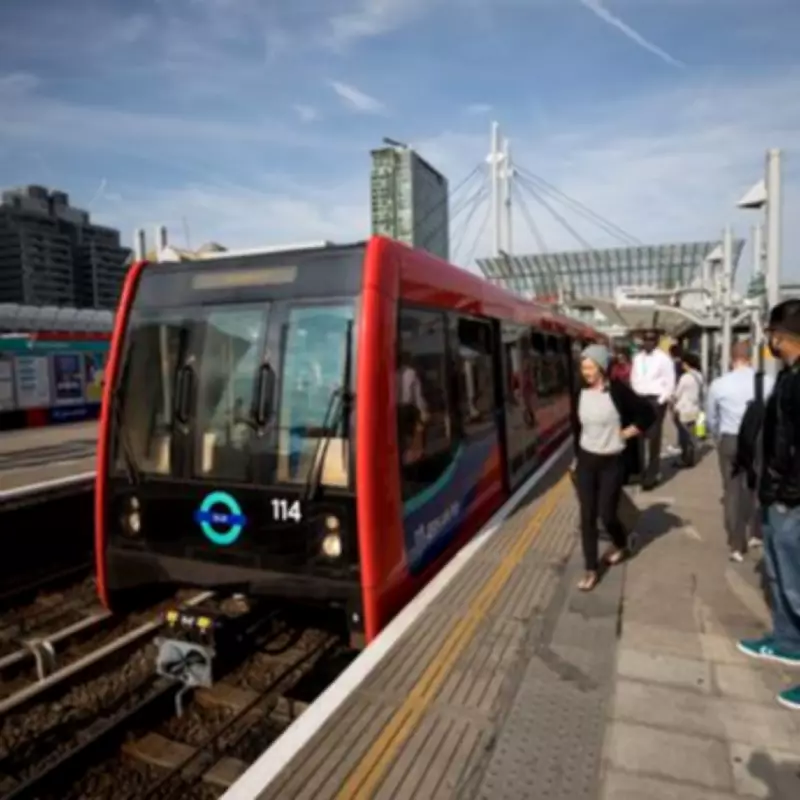
DLR Extension to Beckton and Thamesmead: £1.62bn Cost and 2033 Completion Date Confirmed
Transport for London has officially confirmed the financial and temporal scope of the highly anticipated Docklands Light Railway extension to Beckton and Thamesmead, revealing the project will require £1.62 billion in construction costs and take seven years to complete. The transport authority published tender documents on Monday, February 2nd, outlining the comprehensive details of this significant infrastructure development that received government approval last November following extensive lobbying efforts.
Project Timeline and Construction Details
According to the newly released tender documentation, work on this substantial extension is scheduled to commence in 2028, with completion targeted for 2033. A Transport for London source has indicated that preliminary "early enabling works" will begin in 2027, preceding the main construction phase. The successful contractor will be responsible for delivering the project between March 1st of next year and December 31st, 2033, though previous internal projections had aimed for an earlier start in 2027 and completion by 2032.
The ambitious scheme involves extending the current terminus at Gallion's Reach to incorporate two brand new stations at Beckton Riverside and Thamesmead. The construction package includes several complex engineering elements:

- A substantial 1.5 kilometre cross-river tunnel beneath the River Thames
- Construction of both new stations with full accessibility features
- A new turnback siding positioned west of the extension to facilitate future service enhancements
Financial Framework and Political Controversy
The financial structure for this major transport investment reveals that the Greater London Authority and Transport for London will shoulder the majority of borrowing requirements, with government financial support for the scheme remaining unspecified at this stage. This funding arrangement has sparked considerable political debate among London Assembly members, particularly from opposition parties who have raised concerns about value for money and long-term financial implications.
Fay Hammond, the GLA's Chief Finance Officer, informed the London Assembly last month that the project's total cost would substantially exceed the initial construction figure due to borrowing costs becoming "significant over 30 years." This revelation has prompted criticism from Conservative representatives, with City Hall Conservatives' transport spokesperson Thomas Turrell stating: "The Government's lack of confidence in Sadiq Khan is costing Londoners millions more. Instead of the government borrowing the money like they usually would for these important projects, they are making Sadiq Khan add it to TfL's credit card, meaning it is Londoners who pay."
Strategic Importance and Housing Development
This DLR extension represents a crucial infrastructure investment for unlocking substantial housing development across London, particularly supporting the proposed Thamesmead waterfront New Town initiative. The improved transport connectivity is expected to facilitate the creation of up to 30,000 new homes, addressing London's ongoing housing crisis while stimulating economic growth in previously underserved areas.
However, some political figures have argued for even greater ambition. Conservative Assembly Member Neil Garratt commented: "Any new transport project is welcome in a city still relying on Victorian infrastructure. Sadly, where Britain once led the world, we've forgotten how to deliver. Our costs are double the European average, so the Mayor must grip spending and timelines from day one." He further suggested extending the line to Belvedere would provide greater benefits to Thamesmead residents while unlocking additional housing and employment opportunities across South East London.

Broader Transport Infrastructure Context
The confirmation of this DLR extension has reignited discussions about other critical transport projects awaiting government approval. Liberal Democrat group leader Hina Bokhari emphasised: "While it's exciting to see the DLR extension finally get underway, the 2033 timeline is a sobering reminder of just how long major transport projects like this take. That's why it's a matter of urgency that the government stops dithering and delaying and gives the Bakerloo Line extension and West London Orbital the go ahead too."
These comments reflect growing concerns about the pace of infrastructure development in the capital, with political figures across parties urging the government to provide clearer support and funding for London's transport priorities. The extended timeline for the DLR project underscores the complex challenges involved in delivering major rail infrastructure within an urban environment, particularly when navigating financial constraints and political considerations.
As London continues to grow and evolve, this DLR extension represents a significant step toward improving connectivity across the city while supporting broader housing and development objectives. The coming years will reveal how effectively Transport for London and its contractors can deliver this complex project within the confirmed budget and timeframe, setting important precedents for future infrastructure initiatives in the capital.