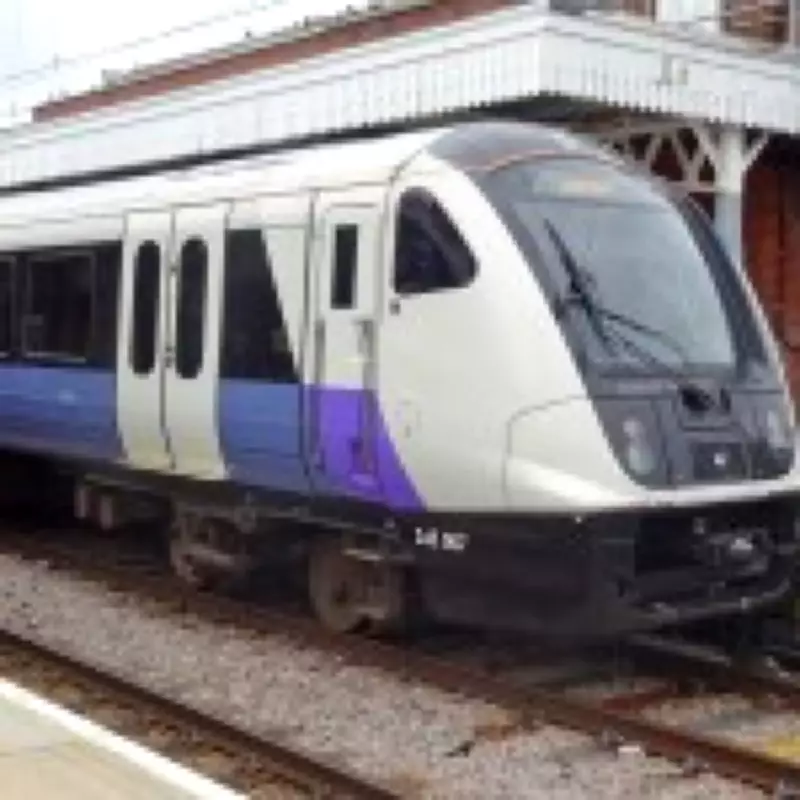
Commuters on London's Elizabeth Line are set to receive significant relief from overcrowding issues, as Transport for London announces a major boost to rush hour services at key west London stations. The popular purple line, affectionately known as the Lizzy Line, will see ten new trains introduced following a £220 million government investment, directly addressing capacity concerns that have plagued certain stations during peak travel times.
Targeted Improvements for Overcrowded Stations
The timetable changes, scheduled to begin on Monday, May 18, will specifically benefit Acton Main Line, Southall and Hanwell stations – all of which have faced severe overcrowding problems during morning rush hours. These stations have historically suffered from limited service frequency, leading to packed trains and frustrated commuters who frequently found themselves unable to board passing services.
Specific Service Increases
During the crucial morning peak between 7:30am and 9am on weekdays, commuters will notice substantial improvements:

- Southall Station will receive ten stopping trains between 8am and 9am
- Hanwell Station will be served by six trains during the same peak hour
- Acton Main Line will benefit from eight stopping services in the busiest morning period
This represents an additional three morning trains for each of these stations, providing much-needed capacity for the thousands of passengers who rely on these services daily.
Political Response and Commuter Impact
Bassam Mahmouz, the London Assembly Member for Ealing and Hillingdon, welcomed the announcement as a major victory for local residents. 'It's going to make a huge difference to commuters at Acton Main Line with more trains stopping at that crucial morning peak time,' he told Metro. 'I've been calling on TfL and the Mayor to deliver extra trains at Acton and Hanwell. These new trains will mean less stress and greater reliability for local residents.'
The improvements come after significant pressure from commuters and local representatives, including a petition signed by nearly 5,000 people calling for all Elizabeth Line services to stop at Acton Main Line station. Previously, only trains from Heathrow Terminal 4 served the station, while services from Heathrow T5, Maidenhead and Reading passed through without stopping.
Commuters' Daily Struggle
Describing the typical morning commute, Mahmouz highlighted the frustration experienced by regular users: 'You are already waiting for the train to get there, and then the despair when you see the train coming in and it's absolutely full to the brim of people. It is unimaginable for those commuters.' Many passengers reported facing 15-minute waits for alternative services when trains were too full to board.
Broader Elizabeth Line Enhancements
Trish Ashton, TfL's director of rail, emphasised the importance of these improvements for the UK's busiest railway service, which carries an average of 800,000 passengers each weekday. 'These timetable updates at west London stations will provide additional capacity during the peak hours of the morning, helping customers travel more comfortably on the line during this busier time,' she stated.
The west London improvements form part of broader enhancements across the Elizabeth Line network. Following annual timetable reviews with Network Rail in December and May, additional services have already been introduced from Gidea Park and Abbey Wood. Since December, four extra trains per hour have been running from Whitechapel to Paddington on Saturdays, bringing the total to 20 trains per hour between 11am and 8pm on weekends.
Context and Significance
The Elizabeth Line has rapidly become the UK's busiest railway route since its opening less than four years ago, recording half a billion passenger journeys last year alone. The line's popularity, particularly through central London stations like Paddington, has consistently outstripped initial capacity projections, necessitating ongoing investment and service adjustments.

For residents in Acton and surrounding areas, these improvements represent a significant quality-of-life enhancement, reducing daily stress and improving reliability for thousands of commuters who depend on the Elizabeth Line for their daily journeys to work and education.