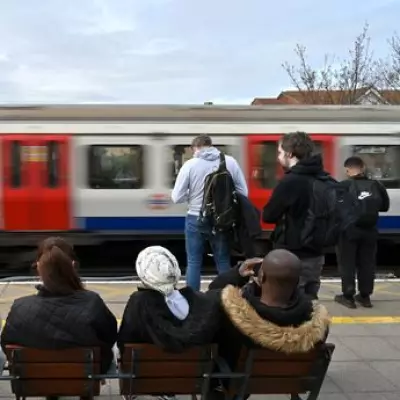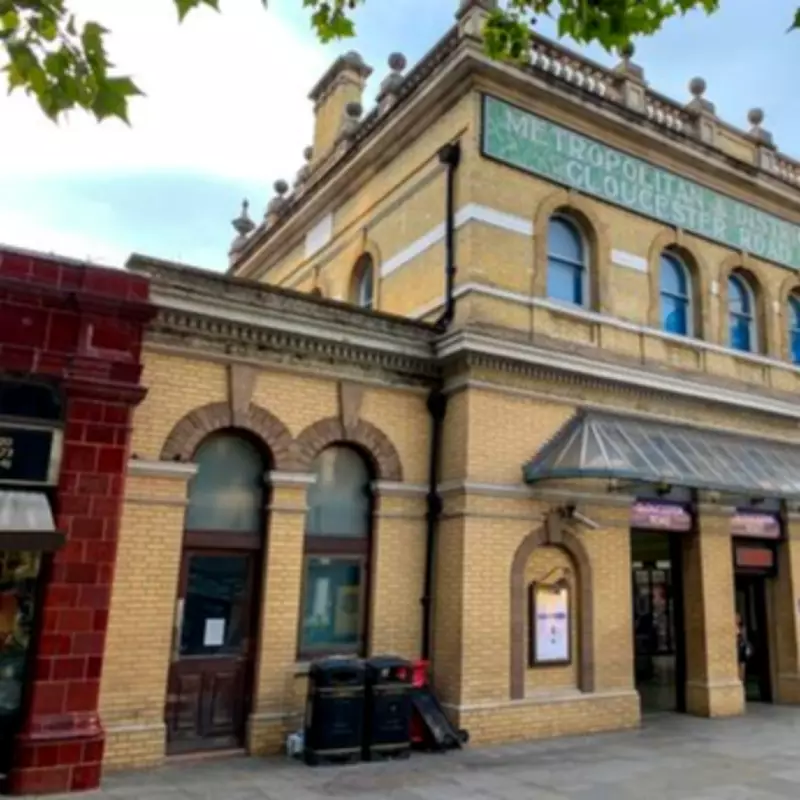
Nestled within the bustling heart of London's transport network, Gloucester Road Underground station offers commuters far more than just a passage to their destinations. This Zone 1 hub, served by the Circle, District, and Piccadilly lines, has quietly transformed a forgotten space into a captivating cultural venue, blending history with contemporary creativity.
A Station Steeped in History and Art
Originally opened in 1926 as part of the Morden extension of the City & South London Railway, Gloucester Road station has long been admired for its architectural elegance. However, its true distinction lies not in its exterior beauty but in an innovative repurposing project that began over two decades ago.
Since the year 2000, a disused eastbound platform has been converted into a dynamic art gallery, operated under Transport for London's Art on the Underground initiative. This program commissions artists to create installations that engage the millions of passengers who pass through the station daily, aiming to reflect London's rich diversity through visual storytelling.

From Brick Nooks to Artistic Showcases
The gallery utilizes the station's northern retaining wall, where brick alcoves host a rotating array of sculptures, murals, and photographs. These works are not mere decorations; they are curated pieces that have included contributions from Turner Prize-winning artists, positioning TfL as a pioneering force in the intersection of public transport and the arts.
One notable installation featured a large model of a white salamander holding a giant lily, illustrating the imaginative and often surreal nature of the artworks on display. This initiative turns the daily commute into an unexpected cultural experience, offering moments of reflection and inspiration amid the rush of travel.
A Dark Chapter in the Station's Past
Despite its current role as a beacon of creativity, Gloucester Road station has not been immune to tragedy. In 1957, the eastbound Piccadilly line platform was the site of a horrific crime when Teresa Lubienska, a 73-year-old Polish Countess and Holocaust survivor of Auschwitz, was stabbed five times and later died. Her killer was never apprehended, casting a shadow over the station's history that contrasts sharply with its present-day artistic vibrancy.
The Legacy of Art on the Underground
The Art on the Underground scheme exemplifies how public spaces can be reimagined to foster community and cultural engagement. By integrating art into the fabric of London's transport system, TfL not only enhances the passenger experience but also supports artists in reaching a broad, diverse audience.
Gloucester Road station stands as a testament to this vision, where a once-abandoned platform now serves as a gallery that challenges conventional notions of where art belongs. It invites travelers to pause, observe, and connect with creative expressions that celebrate the city's dynamic spirit.
As London continues to evolve, initiatives like this highlight the potential for infrastructure to double as cultural landmarks, enriching urban life in unexpected ways. Whether you're a daily commuter or a curious visitor, Gloucester Road offers a unique glimpse into how history, art, and transit converge beneath the city's streets.