London Bridge Station Implements Controversial Facial Recognition Technology in Crime Crackdown
London Bridge Railway Station has become the latest transport hub to deploy Live Facial Recognition (LFR) cameras as part of a six-month pilot program aimed at identifying and apprehending criminals. The controversial surveillance system, which launched yesterday, represents a significant expansion of facial recognition technology on Britain's railway network.
How the Surveillance System Operates
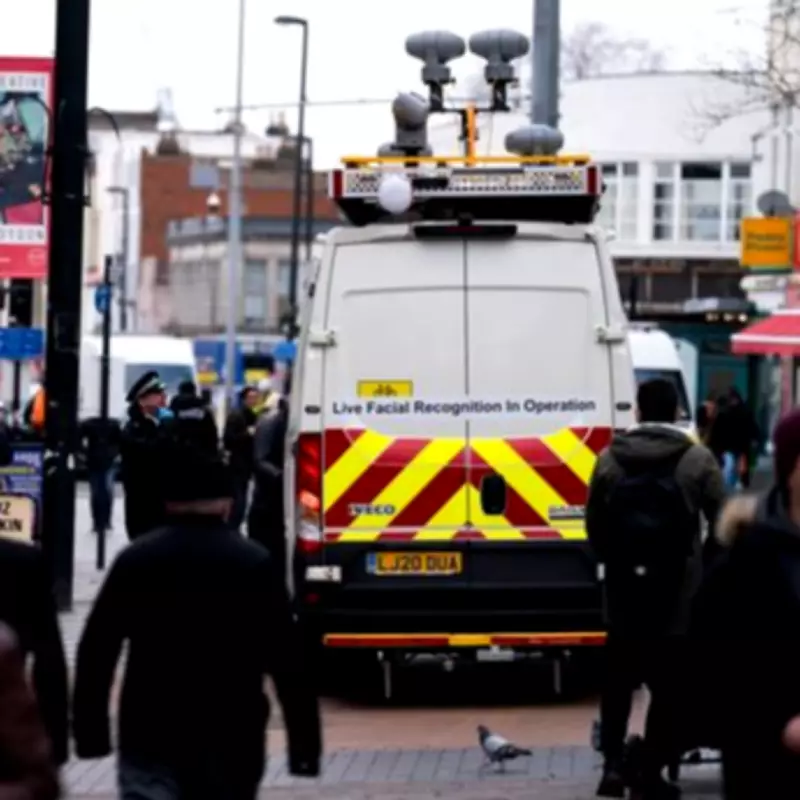
The LFR cameras installed throughout the busy station compare live video footage against a police watchlist containing images of individuals wanted by law enforcement and courts. When the system detects a potential match, an officer manually reviews the comparison before deciding whether to approach the person. According to British Transport Police (BTP), images of anyone not on the authorized database are immediately and permanently deleted.
Chief Superintendent Chris Casey, BTP's senior officer overseeing the project, emphasized that this represents a trial to assess the technology's effectiveness in railway environments. "The initiative follows a significant amount of research and planning, and forms part of BTP's commitment to using innovative technology to make the railways a hostile place for individuals wanted for serious criminal offences," Casey stated.

Privacy Concerns Versus Crime-Fighting Success
Civil liberties advocates have condemned the technology as a "big brother tactic" that treats ordinary citizens as suspects. Privacy campaigners argue that widespread facial recognition surveillance represents an unacceptable intrusion into personal freedom and sets a dangerous precedent for mass monitoring in public spaces.
However, police point to impressive results from similar deployments elsewhere in London. In Croydon, where LFR cameras have been mounted on street furniture since early 2024, the technology has led to 249 arrests, with 193 individuals subsequently charged or cautioned. Notably, approximately one-third of these arrests involved offenses related to violence against women and girls.
Notable Arrests and Alternative Options
The Croydon pilot has resulted in several high-profile apprehensions, including a woman who had evaded authorities for over twenty years after failing to appear in court for a 2004 assault case. Other arrests included a kidnapping suspect and a sex offender accused of violating a Sexual Harm Prevention Order.
At London Bridge Station, authorities have implemented measures to address privacy concerns. Individuals who prefer to avoid the recognition zones can use alternative routes through the station. The BTP has also invited public feedback through QR codes displayed on informational posters throughout the facility.
The project represents a collaboration between multiple organizations including Network Rail, the Department for Transport, and the Rail Delivery Group. Deployments will focus specifically on transport hubs identified as "crime hot-spots" where the technology might prove most effective in enhancing public safety.