London's vast public transport network, a lifeline for millions, is poised for a significant year of transformation in 2026. While the Underground enjoys an 86% approval rating from locals, according to a recent Time Out survey, Transport for London (TfL) is pushing forward with a series of upgrades, new services, and regulatory changes that will reshape how people move around the capital.
Fare Increases and Service Disruptions
Commencing the new year, Londoners will need to dig deeper into their pockets for several key services. The congestion charge will rise from £15 to £18 per day starting January 2nd, marking its first increase since 2020. The operating hours remain 7am-6pm on weekdays and 12pm-6pm on weekends, and the 100% discount for electric vehicles will be scrapped.
Following in March, tube and train fares will see an average increase of 5.8%. This will push a peak-time Zone 1-2 single fare from £3.50 to £3.70, and an off-peak fare from £2.90 to £3.10. Longer journeys, like Zone 1 to Zone 6, will rise from £5.80 to £6.15 at peak times.

These changes coincide with essential engineering works that will cause closures. The Northern line's Bank branch between Camden Town and Kennington will close every Monday to Thursday after 10pm from January 12th until late May. On the Piccadilly line, Southgate station will be exit-only from January 5th until mid-March, while Baron's Court will see phased platform closures throughout much of the year.
New Vehicles and Future Tech on the Horizon
2026 will also see the arrival of futuristic technology and long-awaited fleet upgrades. In a landmark move, self-driving taxis are set to begin trials. Waymo plans to deploy its autonomous Jaguar I-Pace vehicles in 20 London boroughs, while Chinese firm Baidu aims to test its own driverless cars in collaboration with Uber and Lyft, pending approval.
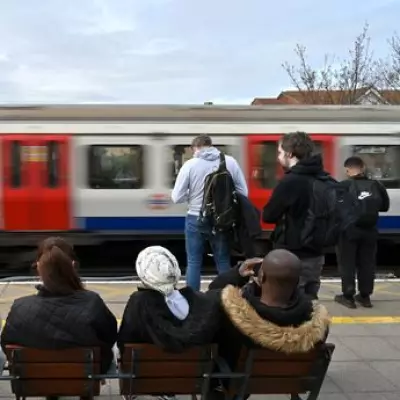
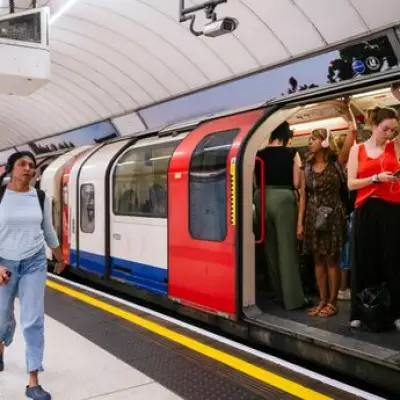
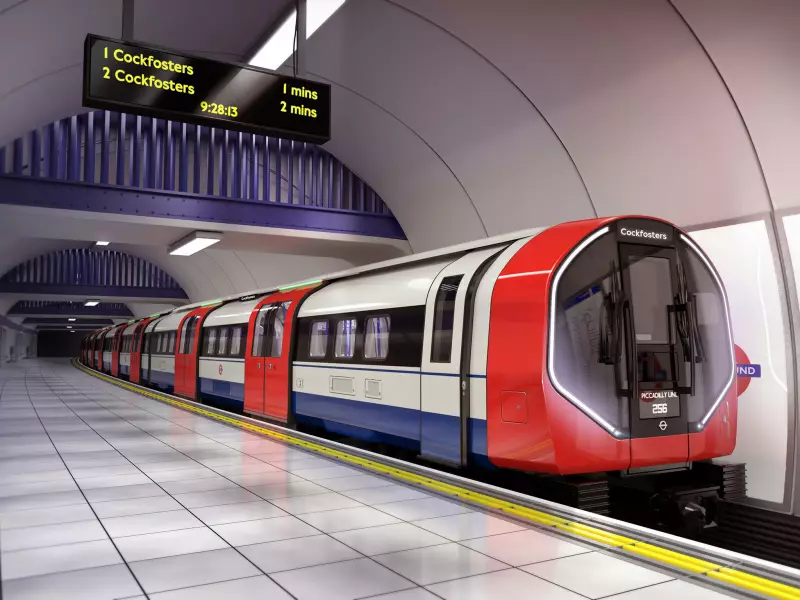
Passengers can look forward to more modern rolling stock. The Docklands Light Railway (DLR) will complete the rollout of its new fleet by the end of 2026, featuring air conditioning, walk-through carriages, and 10% more capacity. Similarly, the much-delayed new Piccadilly line trains are now expected to launch in the second half of the year, boasting similar improvements including air-conditioning and real-time information displays.
The capital's cycling infrastructure is also in for a boost. TfL plans major upgrades to its Santander Cycles e-bike scheme, including a new app, QR code release systems, and the UK's first in-dock charging network to ensure bikes are always powered. Furthermore, Enfield Council proposes a new north London cycle route between Palmers Green and New Southgate, featuring segregated lanes on busy roads.
Regulations, Routes and Pedestrianisation
Several other key developments will alter the transport landscape. TfL hopes to finally enforce new regulations on pedicabs (rickshaws) in early 2026, introducing annual inspections, a ban on speakers, and regulated fares to crack down on disruptive operators.
The Superloop express bus network will expand with two new routes. The SL11 will launch, replacing the 472 between North Greenwich and Abbey Wood with fewer stops, while the SL12 will later connect Gants Hill and Rainham via Ilford and Romford.
Perhaps one of the most ambitious projects is the potential permanent pedestrianisation of Oxford Street. While not yet confirmed, Mayor Sadiq Khan is determined to proceed, with TfL hoping delivery could start in the second half of 2026, initially focusing on diverting the current bus and traffic routes.
From price adjustments and essential upgrades to pioneering technology and street redesigns, 2026 promises to be a pivotal year for travel in London, aiming to modernise the network for the future while navigating the immediate challenges of cost and disruption.