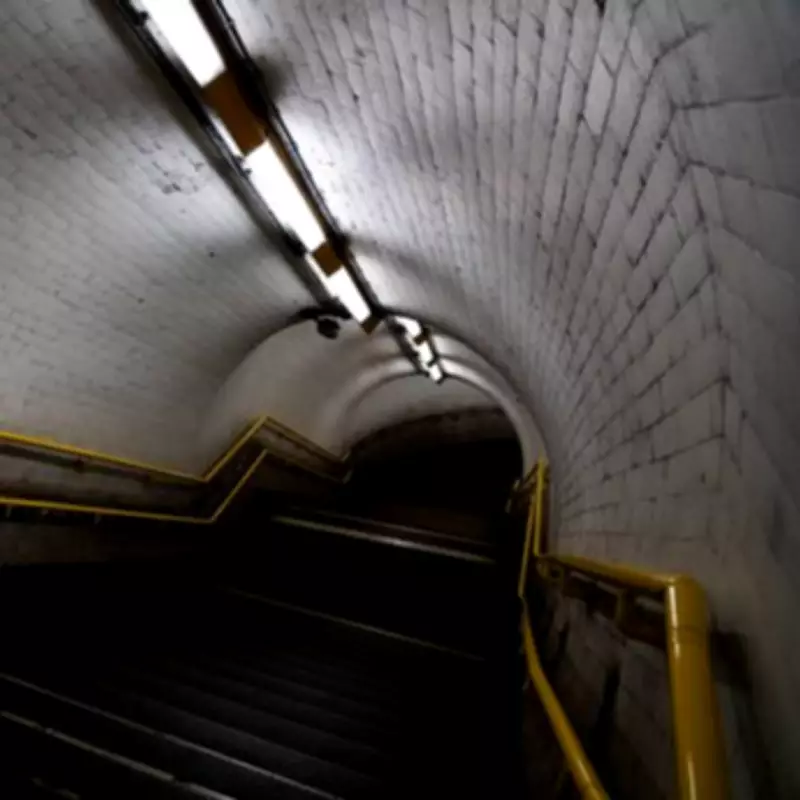
The Eerie Atmosphere of Essex Road Station
Nestled within Islington's Canonbury district, Essex Road station presents an unassuming brick entrance on a bustling North London street that many might easily overlook. However, venturing inside reveals a transport environment that has consistently left passengers reporting feelings of unease and discomfort, particularly during off-peak hours.
A Descent into Darkness
The station's most distinctive feature is the 157-step spiral staircase that transports passengers from street level down to the platforms below. This shadowy descent creates an immediate sense of isolation that many travellers find unsettling. Unlike typical London Underground stations with their bright lighting and constant foot traffic, Essex Road maintains a quieter, more atmospheric presence that some describe as genuinely spooky.
One passenger recounted their experience: "I remember once drunkenly going into this station, it was late evening and I was the only person there, very very spooky place, even as a man I felt very uneasy, luckily I only had to wait a few minutes for the train if it had been any longer I would have left and taken the bus."

Historical Transformation
Originally opening in 1904, Essex Road station served as part of the London Underground network from 1933 to 1975 as a brief extension of the Northern line. The station underwent a significant transformation on 8 August 1976 when this stretch of track, now called the City line, resumed operations under the British Rail system. This change meant Tube trains ceased stopping here, with mainline services taking over operations instead.
This historical shift converted Essex Road into a rarely frequented mainline stop where Underground remnants remain visible to visitors. The ceramic wall tiles from its Tube days still adorn the station walls, while the absence of London Underground signage perhaps contributes to the location's unnerving character for those familiar with London's transport network.
Platform Isolation and Passenger Experiences
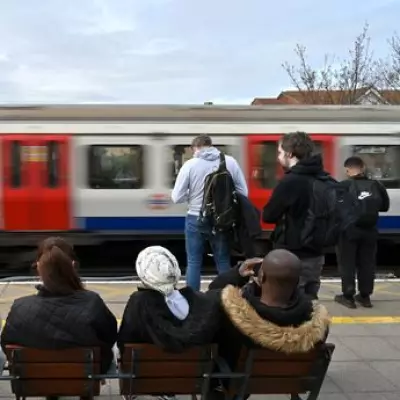
Beyond peak hours, commuters have described finding themselves completely isolated on the extended platform, sometimes enduring waits of up to 20 minutes for a National Rail service. The platform becomes particularly haunting as travellers peer into the inky darkness of the railway tracks, with minimal lighting and drab décor adding to the uneasy atmosphere.
Another concerned traveller remarked: "Certainly is creepy. Very poorly lit, drab platforms and décor. Women were often attacked and panic alarms were installed. I find the layout odd - having to go back up some stairs to reach the platforms when you've just descended a long spiral stairs or the lift."
Current Operations and Growing Usage
Despite its eerie reputation, Essex Road station has witnessed growing passenger numbers in recent years. The station serves as a useful connection for those journeying to Hertfordshire, with services running to and from Moorgate, alongside trains heading to:
- Welwyn Garden City
- Potters Bar
- Hertford North
- Stevenage (at weekends)
The station's relative obscurity contributes to its mysterious character, with one observer noting: "The low usage is probably due to people thinking nothing's here, in fact the whole line seems to be rather secret. Unless you travel in from North London/Hertfordshire, you'd never use it."
As London's sole deep-level station operated by National Rail rather than the Underground, Essex Road maintains its unique position in the capital's transport network - a functional but undeniably atmospheric location that continues to intrigue and unsettle passengers in equal measure.