The Overlooked Architectural Marvels of London's Underground Network
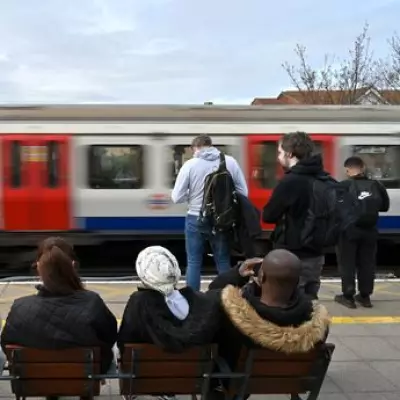
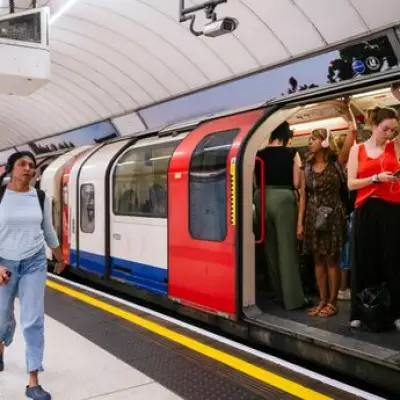
Rush hour on the London Underground is rarely a pleasant experience, with notorious bottlenecks like Clapham Junction, Waterloo, and King's Cross testing the patience of even the most seasoned commuters. However, amidst the daily grind, there are stations whose architectural splendour goes largely unnoticed, simply because the morning and evening crush leaves them packed with frazzled travellers.
Earl's Court: A West London Gem
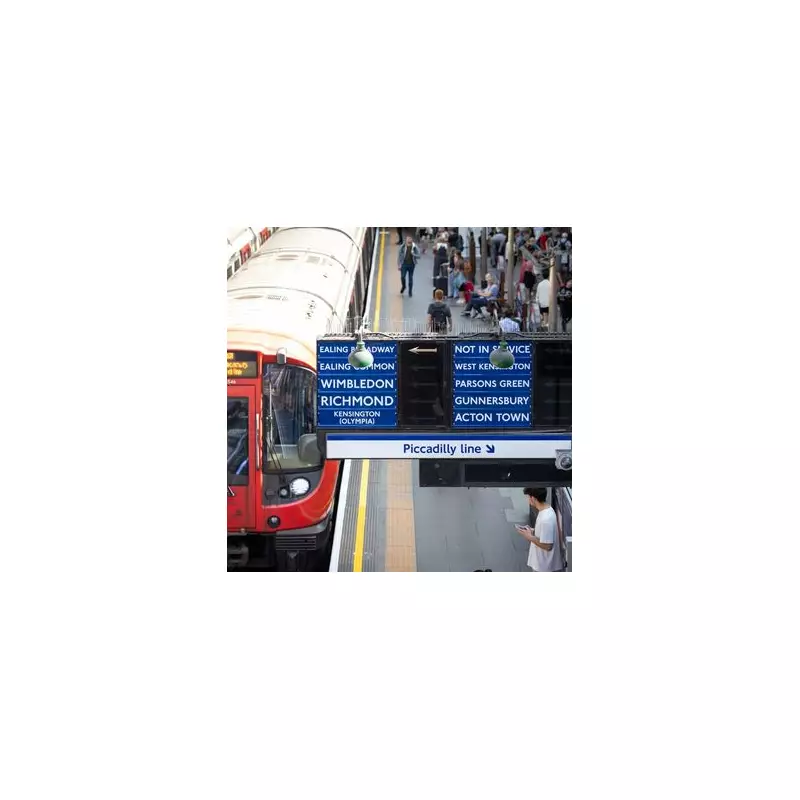
Located in West London between West Kensington and Gloucester Road on the District line, and serving Barons Court and Gloucester Road on the Piccadilly line, Earl's Court stands as a massively underappreciated treasure within the network. The station's most captivating quality is its bright and spacious atmosphere, with natural light flooding in from above and the distant end of the platform.
Commuters should watch out for the period signage and seating that features the beloved roundel design, adding a touch of historical charm. The station also boasts a dual-sided platform, which admittedly won't suit everyone's taste. This feature can prove rather overwhelming when travellers are packed like sardines during the morning stampede.

While visiting, don't miss the iconic blue box positioned outside the station—one of London's surviving police boxes, now decorated to mirror Doctor Who's TARDIS. This quirky detail adds to the station's unique character, blending pop culture with London's rich history.
Bermondsey: An Underground Masterpiece
While discussing well-illuminated stations, we must acknowledge Bermondsey, which genuinely holds an edge over Earl's Court. Unlike Earl's Court, which operates at roughly ground level, Bermondsey is situated underground, making its design even more impressive.
At ground level, travellers encounter a curved glass canopy that allows daylight to flood the staircase. Expansive translucent panels surround the entrance, creating a welcoming and bright entry point. The glass canopy continues downwards towards the escalators, transforming into an elevated ceiling that maintains this feeling of spaciousness throughout the descent to the platform.
During the journey down the escalators, you'll notice carefully positioned latticed concrete supports. These supports, combined with apertures in the framework, direct sunlight further below ground, creating an airy atmosphere. The daylight interplays with reflective surfaces, including the perforated stainless steel beams holding up the roof.
These elements produce shadows and designs that allow natural illumination to penetrate down to platform level. Some direct rays of sunshine even succeed in filtering through, brightening the environment and helping to reduce the anxiety frequently linked with deep Tube stations.
Why These Stations Deserve More Recognition
Both Earl's Court and Bermondsey demonstrate how thoughtful design can enhance the commuter experience, even in the busiest parts of London. Their use of natural light, spacious layouts, and architectural details not only improve aesthetics but also contribute to passenger wellbeing.
In a city where rush hour often overshadows beauty, these stations remind us that the London Underground is more than just a transport network—it's a showcase of engineering and design excellence. Next time you pass through, take a moment to look beyond the crowds and appreciate the hidden artistry that makes your journey a little brighter.