Tragic Death of Pub Worker on London Underground Tracks
A pub worker tragically lost their life at Ickenham Underground Station in northwest London after staggering and falling onto the tracks without being noticed by anyone present. The unnamed passenger was traveling home after a Friday evening shift at a nearby pub on March 28 last year when the devastating incident occurred.
Sequence of Events Leading to the Fatal Accident
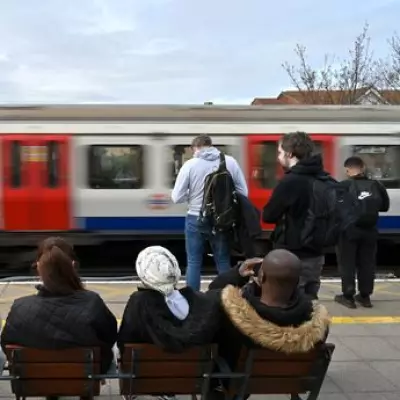
According to the Rail Accident Investigation Branch (RAIB) report, the passenger lost their balance and tumbled from the London-bound platform onto the tracks. Shockingly, they remained on the tracks for approximately two minutes before being crushed by the entire length of an approaching Metropolitan line train. Station staff took nearly ten additional minutes to discover the individual on the tracks after the impact.
An eyewitness informed investigators that the passenger had consumed a glass of wine after their shift. CCTV footage from the station revealed the passenger falling back against guard railings, regaining balance, and proceeding through the barriers. While descending the stairs to platform 2, the passenger fell six times and took almost four minutes to reach the bottom, indicating significant impairment.

Investigation Findings and Contributing Factors
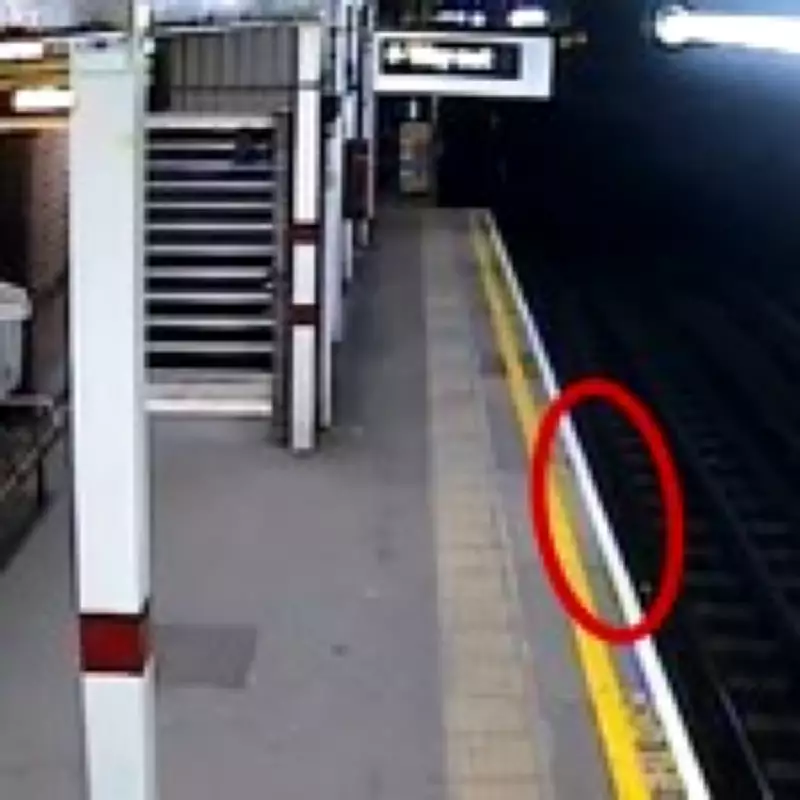
The post-mortem toxicology report confirmed the passenger had a blood alcohol level indicating profound intoxication and grossly impaired motor function. Footage captured the moment the passenger staggered backwards toward the track before falling over the platform edge at approximately 10:30 PM while attempting to regain balance. The footage also showed the individual trying to reach up toward the platform edge after falling in a desperate bid for safety.
Night-shift staff walked on the opposite platform and at one point faced the passenger from about 318 feet away but failed to spot them. CCTV appeared to show the passenger looking toward the approaching eastbound Metropolitan line train before moving toward the survival space under the platform edge, disappearing from camera view.
Safety Failures and Mechanical Response
The approaching train passed the spot at about 11 mph before stopping. No passengers boarded or disembarked during this time. The impact with the person on the tracks activated the train's tripcock mechanism, designed to detect obstructions and trigger an emergency stop, which the driver reported as unexpected. However, investigators determined the entire length of the train had already passed over where the passenger was lying by the time the train stopped.
The passenger was eventually discovered approximately 45 feet from where they initially fell. The investigation revealed that the survival space (under-platform recess) beneath the platform was filled with cables, contravening London Underground standards. This likely prevented the passenger from fitting into the space to seek cover and avoid being struck, though their exact position at the moment of impact remains unknown.
Darkness at the time of the accident may have contributed to the tragedy, with a shadow cast by the platform edge making the passenger nearly invisible to the driver in the cab.
Response and Safety Improvements
Following this heartbreaking incident, Underground staff will receive enhanced training on how to support passengers under the influence of alcohol or drugs. Nick Dent, TfL's director of customer operations, expressed condolences: Our thoughts are with the family and friends of the person who sadly died at Ickenham Tube station on 28 March 2025.
Dent continued: We fully supported the Rail Accident Investigation Branch in their investigation and have conducted our own internal investigation. We are considering the recommendations from the RAIB and will be taking forward action to address them, along with the recommendations from our own internal review. Safety remains our top priority and we are acting to ensure that our customers are safe when traveling on our network.
Transport for London is currently trialing AI cameras designed to detect and send alerts if people fall onto the track or into the gap between the train and the platform, representing a technological advancement aimed at preventing similar tragedies in the future.