Hundreds of Robotaxis Grind to a Halt, Trapping Passengers on Busy Motorways in China
A widespread system failure struck a fleet of self-driving taxis in Wuhan, China, on Tuesday evening, causing up to 200 vehicles to suddenly stop on major roadways. The incident left countless passengers stranded inside the immobilized cabs, with some reporting being trapped for over an hour as traffic roared past them.
Chaos on the Roads as Autonomous Vehicles Freeze
Videos shared on the Chinese social media platform Weibo captured the chaotic scene, showing rows of robotaxis with blinking headlights halted along three key routes: the Second Ring Road, Third Ring Road, and Baishazhou Bridge. Passengers were seen screaming for help from within the vehicles, unable to exit safely onto the busy expressways.
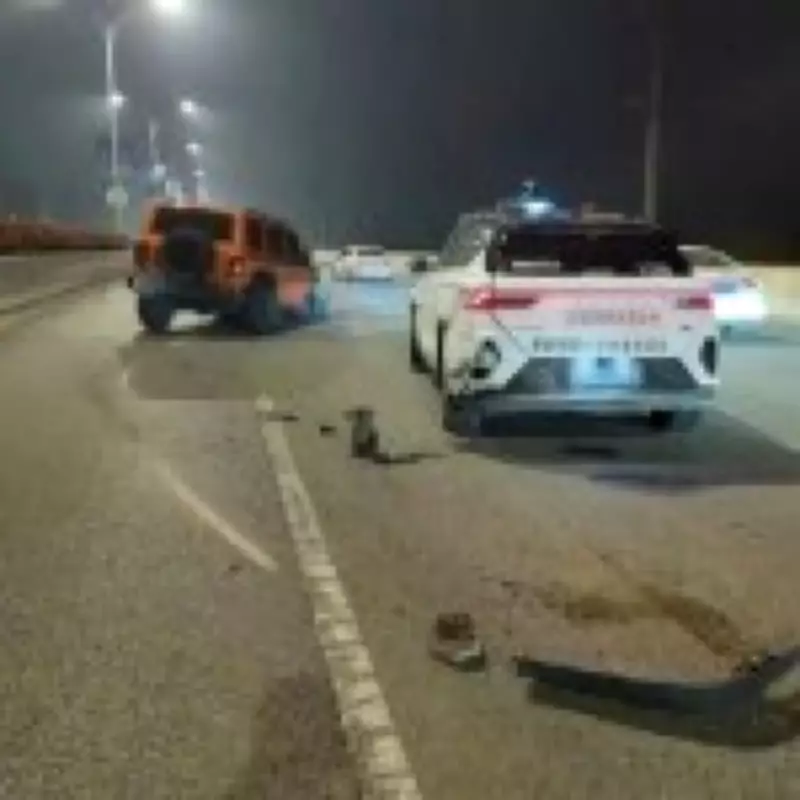
One photograph from the scene revealed a taxi that appeared to have been struck by an orange truck, sustaining significant damage. Another customer recounted being stuck in the slow lane as large trucks sped by, highlighting the dangerous conditions created by the malfunction.

Passengers Describe Frustrating Ordeal with Failed Safety Systems
Several riders took to social media to express their frustration with the breakdown of emergency protocols. A user named Luka posted on Xiaohongshu, a Chinese platform similar to TikTok, detailing how the SOS button and onboard help features proved completely ineffective during the crisis.
'I called their customer service number nearly 20 times from my own phone and still couldn’t get through,' Luka said, accompanied by a video showing the non-functional button. 'Is there any way to file a complaint? I’m speechless.' In a follow-up video, Luka mentioned that customer service representatives offered a 50% coupon as compensation, which many found inadequate given the severity of the situation.
Police and Company Respond to Widespread Breakdown
Local police confirmed that between 100 and 200 robotaxis operated by Apollo Go, a self-driving ride-hailing service run by the Chinese internet giant Baidu, experienced the stall. An officer noted that such issues are a 'common problem' with Apollo Go vehicles, though this incident was particularly large-scale.
'Passengers can press a button and the door can open, but they can’t get off or get off the ring road,' the officer explained. 'We saved many people today.' Authorities have not yet disclosed the exact cause of the malfunction, which occurred at 8:57 PM, but confirmed that no injuries were reported and all passengers were eventually evacuated.
In a statement, police described how they activated contingency plans, mobilizing traffic control and transportation departments to coordinate with Apollo Go staff and manage the situation. Baidu, the parent company, has been approached for further comment but has not provided additional details at this time.
Global Context: Self-Driving Trials Face Ongoing Challenges
This incident in Wuhan underscores the persistent hurdles facing autonomous vehicle technology as cities worldwide, including London, increasingly adopt self-driving cars. Similar problems have emerged in other regions, such as San Francisco, where Waymo robotaxis have been targeted by vandals or faced opposition from critics.
In 2024, for example, a man in San Francisco covered the sensors of a stopped robotaxi, causing it to halt as a safety precaution. Other passengers have reported becoming trapped inside vehicles during graffiti attacks or unwanted interactions, raising questions about the reliability and security of these systems.
As self-driving technology continues to evolve, incidents like the Wuhan robotaxi freeze highlight the urgent need for robust safety measures and effective emergency response protocols to protect passengers and ensure public trust in autonomous transportation.