Sadiq Khan Scraps Iconic 'Boris Bus' in Political Move, Ending London Era
London's red buses are more than just vehicles; they are global symbols of the capital, akin to black taxis and red post boxes. For better or worse, London Mayors often define their legacies through flagship bus initiatives, which can lead to triumphs or failures. Sadiq Khan's recent decision to phase out the 'New Bus for London,' popularly known as the Boris Bus, appears driven by politics rather than practical transport improvements, raising questions about his vision for the city's massive bus network.
The Legacy of Mayoral Bus Policies: From Bendy Buses to Boris Buses
Mayoral bus policies in London have a mixed history. Ken Livingstone introduced bendy buses in 2002, aiming for greater capacity and faster loading. However, these articulated buses faced criticism for blocking traffic, lacking seats, enabling fare evasion, and a notorious tendency to spontaneously combust. Boris Johnson capitalized on public discontent, branding them as dangerous and making their removal a key campaign promise in 2008.
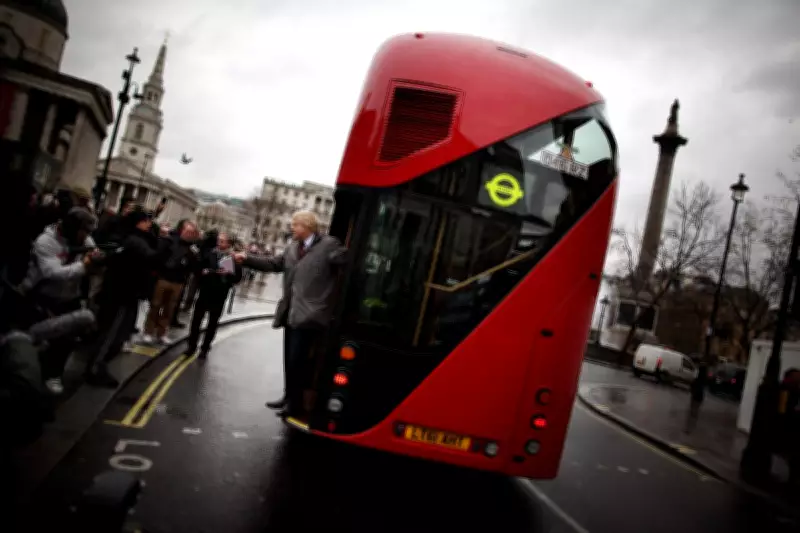
In response, Johnson launched the Boris Bus, designed through a public competition as a spiritual successor to the beloved Routemaster. Built in the UK, it was hailed as the cleanest and greenest bus in London at its launch. Despite initial flaws like non-opening windows and battery issues, it garnered fans, with some praising it as Johnson's best political achievement.

Sadiq Khan's Bus Legacy: Declining Services and Rising Violence
Under Sadiq Khan's leadership, London's bus services have faced significant challenges. Between April and December 2025, bus journeys dropped by 62 million compared to the same period in 2024, with passenger numbers remaining 20% below pre-pandemic levels. Subsidies have doubled to £1.2 billion over the past decade, forcing route simplifications and delaying the zero-emission fleet target to 2030.
Worse, the bus network is plagued by increasing crime and violence. From October to December 2025, violent incidents against bus drivers surged threefold to 1,324 cases. The situation has deteriorated so much that the London Youth Assembly called for bleed kits on high-risk routes to aid stabbing victims. Khan's bus legacy is increasingly viewed as a failure, making his focus on scrapping the Boris Bus seem like a political distraction.
The Symbolism of Scrapping the Boris Bus
Khan's decision to phase out the Boris Bus is not accompanied by plans for a new flagship bus, such as a 'Sadiq Bus' or Routemaster 3.0. Instead, it reflects a lack of ambitious vision for London's transport future. The move is seen as an attempt to distance himself from Johnson's legacy, rather than addressing the network's core issues like declining ridership and safety concerns.
Some Londoners may mourn the Boris Bus for its bold design and optimism, while others welcome its departure. However, its scrapping symbolizes a shift away from innovative public transport initiatives. Like Johnson himself, the bus was imperfect but represented ambition and a singular political vision. As it makes its final journey, London's streets lose a vibrant icon, highlighting the broader struggles in the city's transport system under current leadership.