London Braces for Major Tube Strikes as RMT Announces Six-Day Walkout
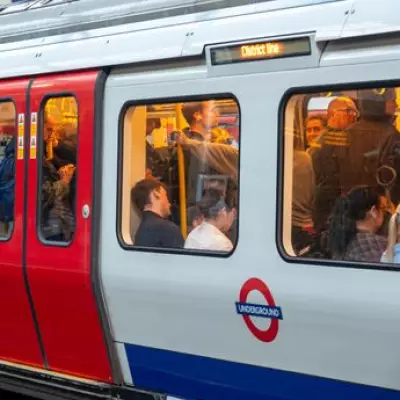
Londoners are preparing for significant travel disruption as the Rail, Maritime and Transport (RMT) union has confirmed a series of six Tube strikes set to commence next week. Transport for London (TfL) has described the planned industrial action as "completely unnecessary", warning that it will severely impact the entire London Underground network.
Strike Schedule and Expected Disruption
The industrial action will unfold in two distinct phases, each lasting 24 hours. The first disruption window runs from midday Tuesday through Wednesday, followed by an identical strike period from Thursday into Friday. This coordinated walkout represents the latest escalation in an ongoing dispute over TfL's proposals for a four-day working week, which were initially presented in March of last year and align with practices adopted by other UK rail operators.
TfL's operations chief Claire Mann has issued a direct appeal to the RMT leadership, urging them to "call off the strikes" and instead "engage with us" to prevent widespread disruption to London's commuters and businesses. Mann emphasized that passengers should check travel conditions carefully during the strike periods, as service levels will vary significantly across different Underground lines.

Union Divisions and Operational Impact
Unlike previous comprehensive shutdowns, this industrial action involves only drivers affiliated with the RMT union, while those represented by Aslef will continue working. This division means the strikes won't completely paralyze the network as occurred during September's major walkouts, though approximately half of all drivers will still be unavailable for duty.
The RMT, representing approximately 12,000 members, is pushing aggressively for a 32-hour, four-day working week for its membership—a demand TfL has firmly rejected. Meanwhile, Aslef members have voted to accept terms establishing a 35-hour work week. For context, City AM reported in 2023 that the average working day in London's Square Mile financial district extends to 38.7 hours, with nearly one-third of City workers logging 49-hour weeks.
Economic Consequences for London Businesses
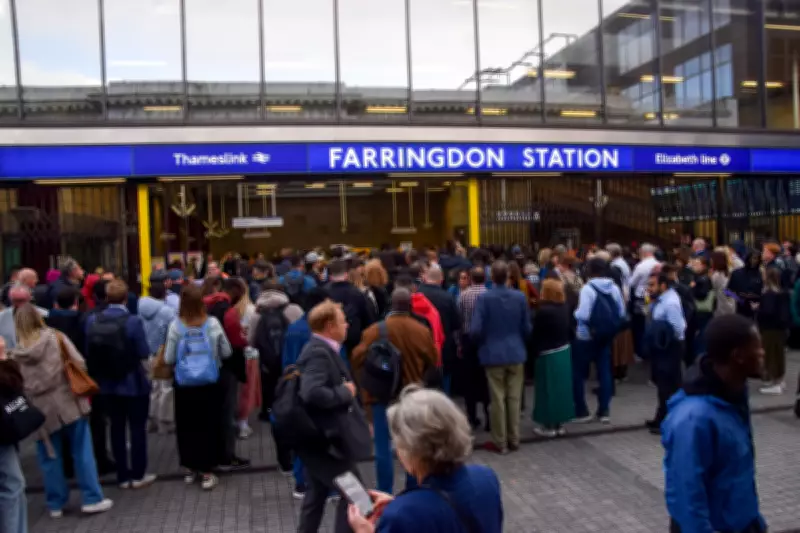
The impending strikes threaten particularly severe consequences for London's hospitality sector, which has historically suffered significant financial losses during previous Underground disruptions. Industrial action typically leads to increased remote working as commuters avoid unreliable Tube services and overcrowded buses, creating what industry observers describe as a brutal knock-on effect for restaurants, cafes, and entertainment venues.
During the last major strikes in September, London Mayor Sadiq Khan faced mounting pressure to intervene and provide financial relief to struggling hospitality businesses. The situation may prove even more challenging this time, as simultaneous Stagecoach bus strikes mean some East London commuters will face a transport strike double whammy on Friday, April 24th.
Four-Day Week Pilot and Future Implications
TfL's controversial four-day working week proposal has so far been piloted exclusively on the Bakerloo line, with the transport authority maintaining that the scheme represents a reasonable modernization of working practices. The RMT's resistance highlights broader tensions within London's transport workforce regarding working conditions and compensation structures.
As London prepares for what could be the most significant transport disruption of 2026, businesses across the capital are developing contingency plans while commuters explore alternative travel arrangements. The outcome of this dispute may establish important precedents for future labor negotiations across London's transport network and potentially influence working patterns throughout the UK's rail industry.