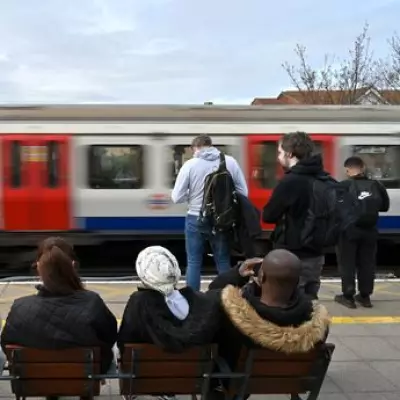
Transport for London has firmly ruled out the possibility of reviving a 'lost' London Underground station that was closed over three decades ago due to critically low passenger numbers. The decision comes despite mounting pressure from local residents and councillors in Ongar, Essex, who argue that reopening the station presents a significant opportunity to support regional development and improve transport links.
The Historical Context of Ongar Station's Closure
Ongar station, situated on the eastern end of the Central line, was permanently shut down in 1994 after passenger numbers dwindled to a mere 85 daily users. At the time, London Regional Transport, which managed the Central line before TfL assumed control in 2003, was operating the service at a substantial financial loss. The situation was so dire that the stationmaster famously remarked it would be more economical to purchase an Austin 7 car for each passenger rather than continue funding the station's operations.
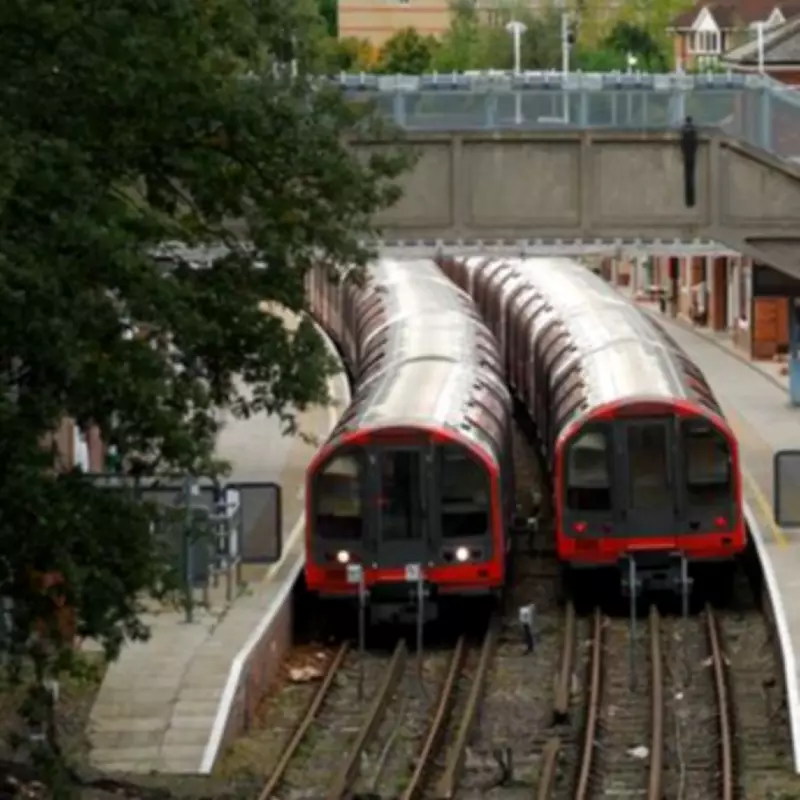
Following its closure, Epping became the new eastern terminus for Central line services, leaving Ongar without a direct rail connection to Central London. Since 2012, the disused railway stretch has been repurposed as the Epping Ongar heritage railway line, featuring steam engine trains, a café, a gift shop, and heritage bus links that operate primarily for tourism and leisure purposes.

Local Campaign for Reinstatement
Local leaders are now advocating strongly for the line's reinstatement to help Epping Forest District Council meet Government housebuilding targets. Speaking at a recent committee meeting, Ongar councillor Tom Bromwich highlighted the significant development planned for the district, with 11,000 new homes scheduled for completion by 2033, including approximately 2,300 in North Weald and 600 in Ongar.
Councillor Bromwich argued that this housing expansion could generate an additional 7,000 potential commuters who might use the line if it were reopened, potentially bringing up to £14.5 million annually to TfL through increased fare revenue. He questioned why TfL was not actively pursuing this opportunity, describing it as "a real opportunity" for both the transport authority and local communities.
The councillor suggested that if a full Central line service restoration proves unfeasible, TfL could explore alternative options such as restoring peak-time midweek services specifically tailored to commuter needs, providing a more flexible approach to meeting transport demands.
TfL's Financial Constraints and Priorities
Despite these compelling arguments, TfL representatives have made it clear that the transport authority currently lacks the financial resources to undertake such a project. Jasmit Jabbal, TfL's engagement lead for North East London and Essex, explained at the same committee meeting that reopening the line would require substantial investment in track upkeep, staffing, and additional trains, representing "a cash expenditure that we don't have."
Mr Jabbal indicated that if Epping Forest District Council wishes to pursue the matter further, they would need to develop a comprehensive business case supported by third-party funding opportunities arising from new developments in the area. However, he emphasised that TfL is "nowhere near having the money to do things like this" given current financial pressures and competing priorities.
Central Line Refurbishment Challenges
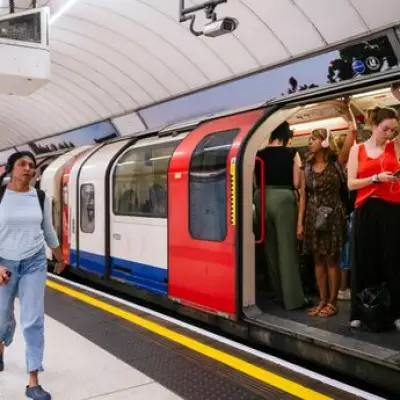
The Central line is currently undergoing a major £500 million refurbishment programme aimed at revamping all 80 trains in its ageing fleet. This extensive project, scheduled for completion by the end of 2029, has already seen four trains refurbished and returned to service. However, Mr Jabbal acknowledged that TfL is falling behind schedule, with only four trains refurbished against a target of ten at this stage.
Technical issues have compounded these delays, with motor failure problems affecting dozens of trains forcing engineers to temporarily shift their focus from refurbishment to essential maintenance to prevent sections of the line from becoming inoperable. These challenges have contributed to regular train cancellations over the past eighteen months, creating frustration among commuters.

Service Allocation Controversy
The situation has been further exacerbated by TfL's operational decision to prioritise services to Hainault over those to Loughton and Epping during periods of disruption. TfL maintains this approach reflects increased demand for the Hainault Loop compared to routes extending into Essex.
However, Loughton ward councillor Stephen Murray has challenged this assessment, arguing that TfL lacks accurate information about actual passenger patterns. He observed that residents can visibly see an imbalance in train allocations, with multiple Hainault-bound trains running relatively empty while Epping services arrive packed with passengers.
Councillor Murray cited personal observations from Saturday afternoons when Leyton Orient football matches conclude, noting that stations become crowded with fans, suggesting that current service allocations may not adequately reflect genuine passenger demand patterns in the region.
The debate over Ongar station's potential revival highlights the ongoing tension between local development aspirations and transport authority financial realities, with no immediate resolution in sight despite compelling arguments from community representatives.