London Braces for Four Days of Tube Strike Disruption
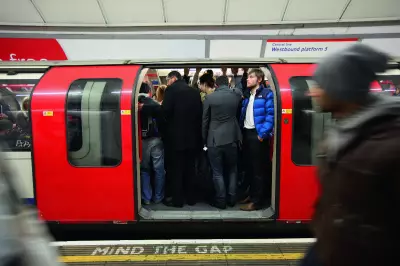
The first day of the London Underground strike has arrived, plunging the capital into travel chaos as commuters face what many are describing as a "Hunger Games"-style scramble to get around. With Tube drivers walking out after failed negotiations between the RMT union and Transport for London over working hours, Londoners are preparing for almost four full days of severe disruption across the network.
Alternative Transport Options Under Pressure
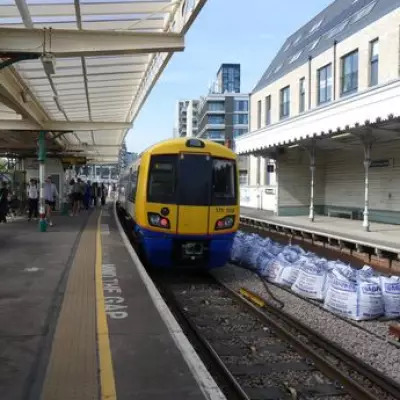
As the majority of Tube lines begin shutting down from midday, thousands of commuters are turning to alternative transport options. The Elizabeth line, Overground services, buses, and rental bikes are all expected to experience unprecedented demand throughout the strike period. While some fortunate workers can retreat to home offices, many have no choice but to navigate the transport mayhem.
This morning, central London's cycle lanes were already packed with what regular commuters have dubbed "strikelists" – savvy cyclists taking advantage of the glorious sunshine to avoid the usual rush hour misery. However, the influx of inexperienced riders mixing with seasoned cyclists on already busy routes is likely to create tension and safety concerns.

E-Bike Companies Prepare for Demand Surge
Major e-bike companies are on high alert after witnessing demand more than double during last September's industrial action. Lime, one of London's leading e-bike providers, has advised users to reserve bikes in advance through their app to avoid disappointment during peak periods.
"We're proud to be helping so many Londoners get to where they need to be this week," said Hal Stevenson, Lime's UK director of policy. "We know it can be a stressful time to get around when our bikes are in such high demand, so we're asking everyone to ride safely and park responsibly."
Forest, another major player in the e-bike market, has increased its on-street resources by 80% battery swapping capacity and deployed pedal-powered cargo bikes in high-demand areas like Westminster and the City to navigate congestion more effectively.
New Market Entrants and Pricing Models
Bolt, which entered the London e-bike market just last year, has strategically expanded into Westminster and Hammersmith & Fulham ahead of the strike action. The company reported a staggering 685% spike in e-bike usage during September's industrial action and is promoting its unique distance-based pricing model as a safer alternative to time-based systems that critics say encourage risky riding behavior.
Ride-Hailing Services Expect Bonanza
It's not just cycling companies anticipating a windfall from the transport disruption. Ride-hailing giants Uber and Bolt are both preparing for significant demand increases, with potential surge pricing during peak periods and longer wait times for available vehicles.
An Uber spokesperson confirmed: "We are expecting significant increases in demand as a result of strike action. We are informing drivers of the expected increase in demand to help ensure there are enough cars out on the road."
Traditional black cab drivers have also positioned themselves to capitalize on the situation, with one driver noting that while the disruption is "a pain for people," their fleet stands ready to "pick up the pieces."
Cycling Etiquette Concerns Resurface
Memories of last year's Tube strike still linger, when cycling etiquette reportedly deteriorated amid the transport chaos. Incidents of "pedal snatching" and competitive behavior turned finding a working bike into a survival-of-the-fittest scenario. With e-bike availability likely to become scarce during peak hours, tensions could rise again as commuters compete for limited resources.
As London enters this extended period of transport uncertainty, the city's adaptability will be tested. From seasoned cyclists to first-time e-bike users, from ride-hailing apps to traditional black cabs, every available transport option will be pushed to its limits during what promises to be a challenging week for London's commuters.