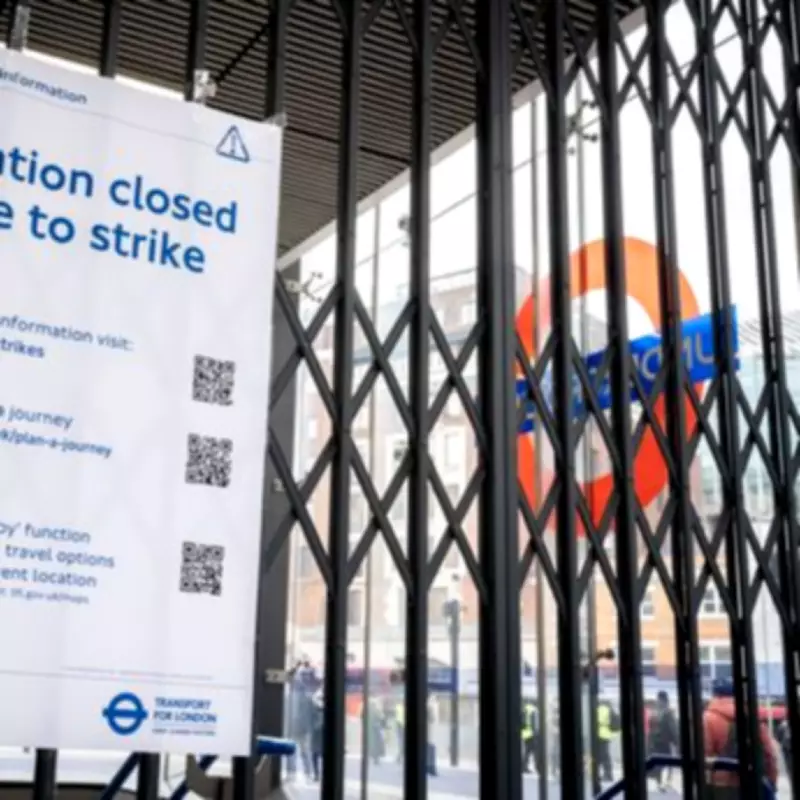
Tube Strikes 2026: London Underground Faces Renewed Disruption
Londoners are bracing for renewed disruption on the Underground network as a series of strikes announced for 2026 threatens to bring significant travel chaos. After a period of relative calm following the major industrial action in September 2025, London Underground drivers are planning six walkouts across twelve days during March, April and May 2026.
The first strikes are scheduled to commence on March 24, 2026, with subsequent actions planned throughout the spring months. Negotiations between Transport for London and the RMT union took place on Monday but concluded without agreement, with further talks scheduled for Friday.
Which Lines Will Be Affected?
The strikes involve members of the RMT union who work as train drivers. Other union members and drivers belonging to ASLEF will not be participating in the industrial action. Transport for London anticipates that the disruption will be less severe than the September 2025 strikes, though significant impacts are expected.

The main lines affected are those where RMT driver members work, including:
- Northern Line
- Jubilee Line
- Victoria Line
- Hammersmith & City Line
- District Line
- Metropolitan Line
- Piccadilly Line
- Bakerloo Line
Meanwhile, the Elizabeth line, Docklands Light Railway, and most Overground services are expected to continue running, though they will likely experience higher passenger volumes than usual.
Overground Disruption on Windrush Line
Overground staff are also planning strike action on the Windrush line, which serves routes from Highbury & Islington to Clapham Junction, West Croydon, and Crystal Palace. These strikes are scheduled for Thursday, March 26 and Thursday, April 23, 2026.
While TfL has previously managed to run normal service on Windrush line strike days, passengers should prepare for increased crowding and potential delays during these periods.
Strike Schedule and Impact Pattern
The RMT has announced six 24-hour strikes, each spanning two days to maximize coverage. These will take place from midday to midday on the following dates:
- March 24–25, 2026
- March 26–27, 2026
- April 21–22, 2026
- April 23–24, 2026
- May 19–20, 2026
- May 21–22, 2026
On the first day of each strike period, services will run normally until 11:59 a.m., with severe disruption expected after midday. On the second day, severe disruption will continue until 11:59 a.m., gradually easing throughout the afternoon.
Why Are the Strikes Happening?
The industrial action is in response to TfL's proposal to introduce a compressed four-day working week for tube drivers. The union has raised significant concerns about this plan, which would reorganize how drivers' hours are structured.
Currently, drivers typically work five shifts per week. Under TfL's proposal, these hours would be compressed into four longer shifts, meaning drivers would work fewer days but longer hours each day. Key elements of the proposal include:
- Drivers would still work 35 hours per week
- Hours would be spread across four shifts instead of five
- Meal breaks would be paid for the first time
- The changes would initially be tested on the Bakerloo line
- The scheme would be voluntary, allowing drivers to choose between the new arrangement and the existing five-day rota
TfL argues that the plan would help the organization run the network more efficiently while giving drivers the option of an extra day off each week. However, union leaders have expressed serious concerns about potential fatigue from longer shifts and impacts on work-life balance.
Union Concerns and Management Response
RMT general secretary Eddie Dempsey stated that the proposals were rejected by members and that strike action represents a last resort after months of unsuccessful negotiations. The union fears that while the changes are presented as voluntary initially, they might eventually become mandatory.
Specific concerns raised by the RMT include:

- Potential extension of maximum driving time
- Possibility of drivers starting earlier or finishing later
- Changes to shifts with minimal notice
- Reduced flexibility for drivers wishing to transfer between depots
Transport Commissioner Andy Lord expressed disappointment at the strike announcement, stating: "There is no need for this industrial action." He emphasized that the proposal had been developed with union input and could be trialled initially on the Bakerloo line.
Travel Alternatives During Strikes
Passengers are advised to consider alternative transport options during strike periods:
- Bus services and National Rail networks will provide coverage across the city
- E-bike hire schemes have become increasingly popular during previous disruptions
- For airport travel, options include the Elizabeth line, Heathrow Express, coaches, taxis, or driving
- Traffic is expected to be heavier than usual on strike days
Eurostar services and the Elizabeth line will not be directly affected by the strikes, though they will likely experience higher passenger volumes.
Chances of Strikes Being Called Off
Transport Commissioner Andy Lord has emphasized that talks are ongoing and strikes could still be averted if an agreement is reached. However, negotiations have so far failed to produce a breakthrough, and TfL has prepared contingency plans for the expected disruption.
The authority stresses that the industrial action is voluntary, with only approximately 1,800 drivers out of the 10,400-strong Underground workforce eligible to participate in the strikes. Posters and announcements are already warning passengers to expect "severe disruption" during the strike periods.
Each 24-hour walkout is timed from midday to midday, meaning disruption is likely to affect services across two consecutive days, creating extended periods of travel difficulty for London commuters.