Tube Train Derails After Passing Red Signal, TfL Faces £150k Repair Bill
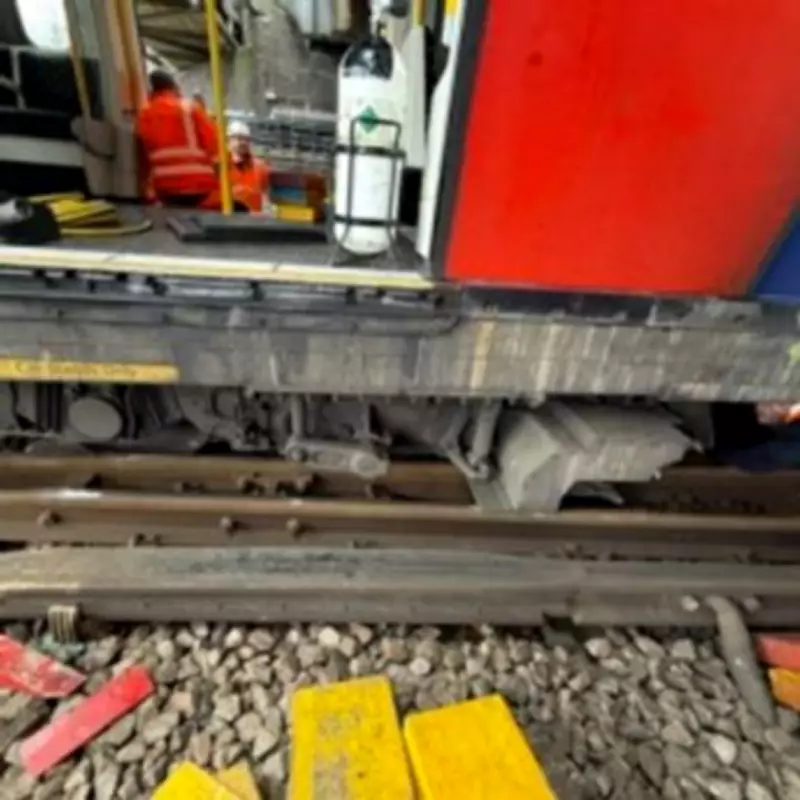
A London Underground train has been out of service for over six weeks following a derailment at Neasden depot in February, with Transport for London (TfL) expecting repair costs to reach £150,000. The incident occurred when the Metropolitan line train dangerously passed a red signal without authorisation, leading to two wheelsets coming off the tracks.
Incident Details and Disruption
The derailment happened shortly after 7:45 am on Saturday, February 21, as the S-Stock train was transferring from depot tracks onto the main line at Neasden in North West London. According to a Freedom of Information (FOI) request response from TfL, the train passed a signal at danger (SPAD), which triggered the derailment. No injuries were reported, but the incident caused heavy disruption on the Metropolitan line throughout the day.
The line was part-suspended for four-and-a-half hours from 10:15 am, then reopened with delays until a good service resumed at 7:50 pm. Minor delays also occurred on the morning of Monday, February 23, affecting commuters and highlighting the operational impact of such events.

Repair Costs and Recovery
TfL has confirmed that the repair bill is estimated at £150,000, covering both new parts and labour. The train was re-railed and moved back into the depot following standard SPAD procedures, which TfL describes as "business as usual" for such incidents. However, the train remains out of service awaiting repairs, with expectations that it will return to operation in the coming weeks.
A senior operating officer alerted the wider TfL network about the derailment, emphasising the importance of safety protocols in preventing similar occurrences. The FOI case officer noted that the train is undergoing restoration and should be back in service soon, pending completion of the necessary repairs.
Broader Implications
This incident underscores the critical role of signal safety in rail operations and the financial burdens associated with equipment failures. TfL's response highlights standardised processes for handling SPAD events, but the £150,000 cost and service disruptions serve as a reminder of the challenges in maintaining aging infrastructure. As London's transport network continues to face pressure, such incidents may prompt reviews of safety measures and maintenance schedules to enhance reliability and minimise future risks.