Waterloo Underground Station Closed and Elizabeth Line Hit by Severe Delays Following Series of Disruptions
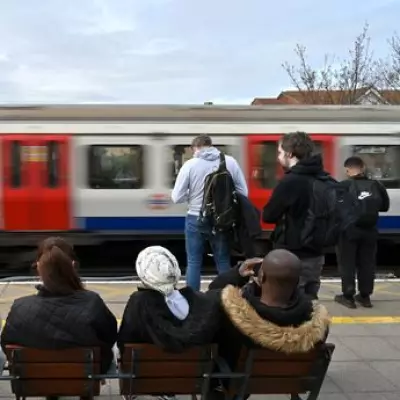
London's transport network is grappling with significant disruptions this morning, with Waterloo Underground station closed and Elizabeth Line services experiencing severe delays. The chaos follows a series of incidents that began yesterday afternoon and have continued into today, affecting thousands of commuters across the capital.
Waterloo Station Closure Due to Faulty Fire Equipment
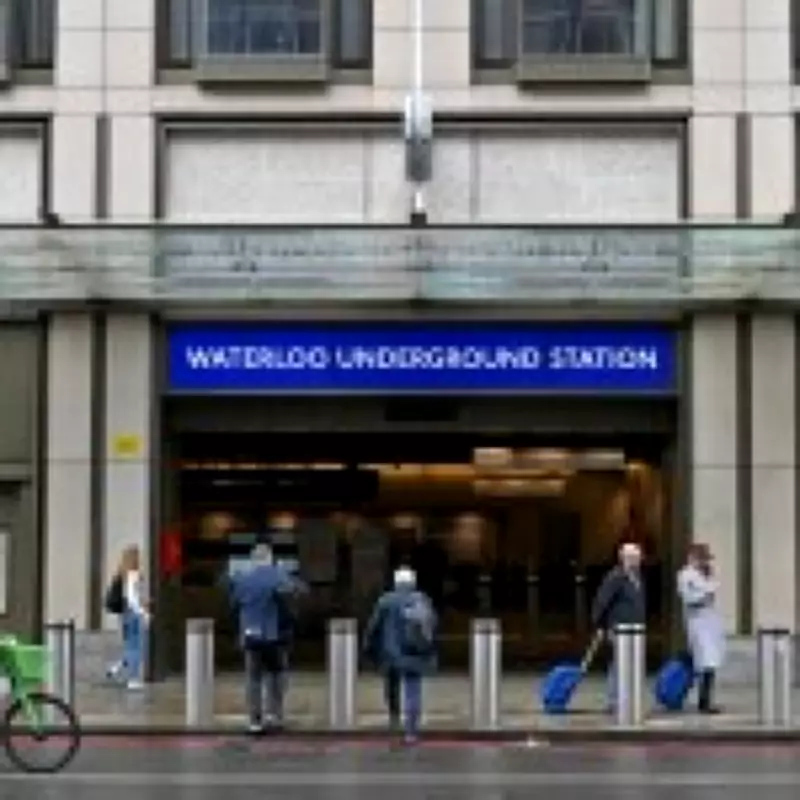
Waterloo Underground station has been shut this morning to address faulty fire equipment, causing major inconvenience for passengers. London Underground services at the station are suspended, with tickets being accepted on London buses as an alternative. This closure comes after an evening of intense disruption that left commuters in chaos.
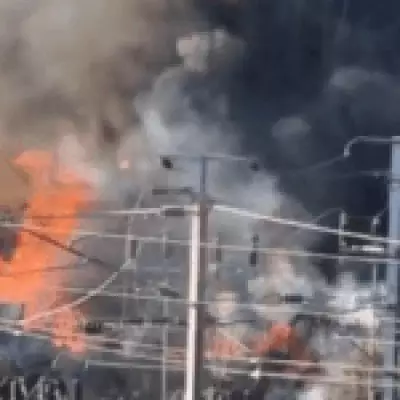
The problems started yesterday around 3pm when a person was killed on the tracks, leading to delays of more than 100 minutes. Services continued to run behind schedule throughout the evening, compounding travel woes. Additionally, a fire on a train at Wandsworth Town caused further disruption between London Waterloo, Barnes, and Wimbledon, exacerbating the situation.

Elizabeth Line Services Disrupted by Overhead Power Line Fault
Meanwhile, Elizabeth Line services are facing severe delays due to a fault with overhead power lines at Southall. The disruption affects routes between Paddington and Reading, as well as Heathrow Terminal 4 and 5. National Rail has confirmed damage to the overhead electric wires between London Paddington and Heathrow Airport/Reading, which is causing significant journey disruptions.
Trains on these routes may be cancelled, delayed by up to 50 minutes, or revised, with the issue expected to continue until at least 12:00 today. This adds to the broader transport challenges in London, impacting both underground and overground services.
Ongoing Impact and Commuter Advice
The combination of these incidents has created a perfect storm for London's transport system. Commuters are advised to check for updates before traveling and consider alternative routes where possible. The disruptions highlight the vulnerability of critical infrastructure and the cascading effects of multiple faults occurring in quick succession.
As authorities work to resolve the issues, passengers face extended journey times and uncertainty. The situation underscores the importance of robust maintenance and rapid response protocols to minimize such widespread disruptions in the future.