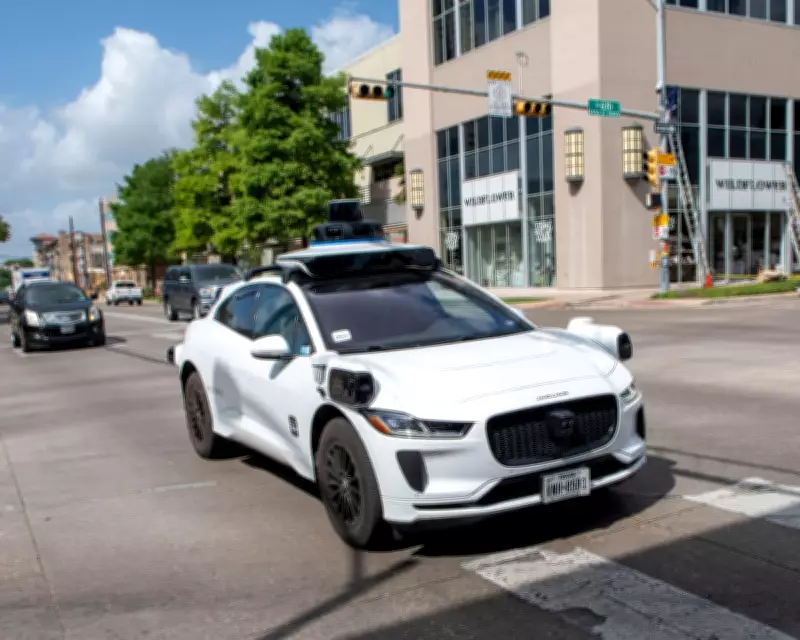
American robotaxis destined for London's streets are undergoing specialised training to adapt to the city's distinctive road features, with a particular focus on mastering zebra crossings, ahead of their anticipated rollout later this year. Waymo, the US-based autonomous ride-hailing company owned by Alphabet, has revealed that its fleet of approximately 24 Jaguar vehicles has been manually navigating London for the past two months to learn local nuances.
Preparing for London's Unique Challenges
Ben Loewenstein, Waymo's head of EU and UK policy and government affairs, explained that the vehicles have been carefully steered around the capital to "learn the nuances, learn about the zebra crossings" that differ significantly from American cross-walks. London's zebra crossings present particular challenges with their Belisha beacons – flashing yellow orbs on striped poles – and often rely on subtle eye contact between drivers and pedestrians rather than clear traffic signals.
Technological Adaptation for British Roads
The Waymo Jaguars, unveiled at the London Transport Museum in Covent Garden, are equipped with sophisticated sensor arrays including:

- Multiple high-resolution cameras
- Advanced radar systems
- Lidar (light detection and ranging) sensors
Nicole Gavel, senior director at Waymo, emphasised that this technology allows the vehicles to "perceive the world around them more accurately and with more of a field of view than human drivers can." The vehicles are left-hand drive models built in Europe, fitted with self-driving technology in the United States, then shipped back to the UK for testing.
Regulatory Landscape and Industry Competition
The company's London preparations coincide with awaiting crucial government legislation that would permit driverless cars on UK roads for the first time. The Automated Vehicles Act received assent in 2024, establishing a foundational safety framework, but secondary legislation is still required before commercial operations can begin.
Lillian Greenwood, minister for local transport, confirmed the government's intention to launch a passenger piloting scheme this spring, enabling operators to run services across Great Britain subject to safety requirements and local authority consent. "We know that unlike human drivers, automated vehicles don't get tired, don't get distracted, and don't drive under the influence – making them likely to be safer than their human counterparts," she stated, while emphasising strict safety and cybersecurity standards.
Market Competition and Industry Response
Waymo faces competition from British self-driving taxi company Wayve and ride-hailing giant Uber, all vying for position in London's potentially lucrative autonomous vehicle market. However, the Licensed Taxi Drivers' Association (LTDA), representing traditional black-cab drivers, has voiced opposition to the rollout, characterising robotaxis as "fairground rides."
Transport for London has expressed "considerable uncertainty" about the safety implications, particularly regarding how risks might vary by road type, traffic conditions, or time of day. The transport authority has indicated that thorough assessments will be needed regarding potential impacts on congestion and accessibility.
Overcoming London's Distinctive Infrastructure
London presents unique challenges compared to Waymo's existing American operations in cities including Atlanta, Austin, Los Angeles, Miami, Phoenix and San Francisco. The capital's tightly packed streets, many dating from medieval times, and complex pedestrian interactions represent a significant test for AI-powered driving systems.
A Waymo spokesperson acknowledged that driverless vehicles might initially startle other road users but suggested people would quickly adapt to the novel technology. The company continues discussions with Transport for London while preparing for what would represent the first international expansion of Waymo's driverless technology outside the United States.