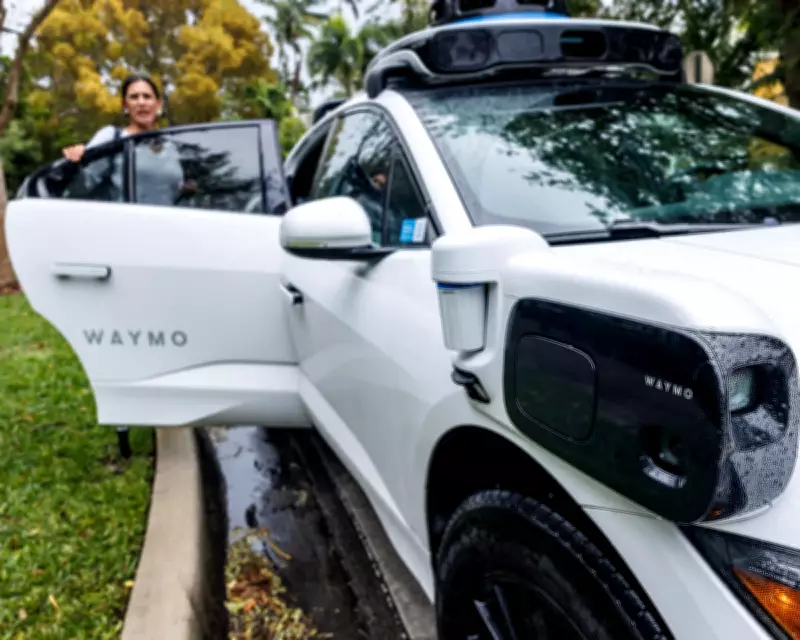
In a move that could reshape urban mobility, Waymo, the US-based self-driving car company, has announced its intention to introduce driverless taxis to London by the end of 2026. This development prompts a critical examination of whether the city's historic streets and complex transport systems are ready for such advanced technology.
Lessons from History: The Car's Troubled Legacy
At the close of the 19th century, cities worldwide grappled with a manure crisis due to horse-drawn transport, leading to the rise of motorcars as a cleaner alternative. However, this shift brought unforeseen consequences, including millions of annual deaths and environmental degradation by the 20th century. This historical parallel serves as a cautionary tale, highlighting that technological innovation often comes with both benefits and significant challenges, shaped by industry lobbying and policy decisions.
Waymo's Track Record and London's Unique Challenges
Waymo has operated approximately 1,500 driverless vehicles across the United States, boasting a relatively safe record with no major life-threatening incidents. Yet, minor issues such as traffic disruptions and isolated accidents, like the unfortunate incident involving a cat in San Francisco, have occurred. As these cars prepare for London, policymakers must assess how relevant this US experience is, given the city's distinct characteristics.

London's road infrastructure, much of which predates the automobile era, presents unique hurdles. The city permits jaywalking, a practice abandoned in many US cities due to car industry influence, and features zebra crossings designed for human interaction rather than machine readability. Experiments like the "shared space" on Exhibition Road in South Kensington, which blurs traditional lane boundaries, add layers of uncertainty that could challenge artificial intelligence systems.
Impact on London's Transport Strategy
London has successfully reduced car usage in its centre while promoting buses and bicycles, aligning with broader sustainability goals. The introduction of self-driving taxis risks pulling people away from active travel and public transport, potentially undermining these efforts. Key questions arise about public tolerance for mistakes, the need for transparency in vehicle operation, and whether benefits will be equitably distributed.
Public Expectations and Regulatory Oversight
Surveys indicate that the public holds high expectations for safety, transparency, and fairness in self-driving technology. Lilian Greenwood, the minister for local transport, has emphasised that the government must maintain control over this transition. Unlike in some US cities, UK authorities, including London, will have a say in regulating these vehicles, offering a chance to avoid past pitfalls where corporate interests dominated.
The Need for Data Sharing and Accountability
As noted by transport scholar David Zipper, evaluating Waymo's safety relies heavily on the company's own data, raising concerns about objectivity. Self-driving car firms have historically been reluctant to share information with crash investigators and have been vague about the role of remote operators. To ensure this technology improves transport without creating future problems, greater transparency and independent oversight are essential.
The arrival of self-driving cars in London marks a fascinating social experiment, but it requires careful management to balance innovation with public interest. By learning from history and prioritising robust regulation, the city can navigate this new frontier responsibly.