Child-Free Train Spaces: A Controversial Move in Family-Friendly France
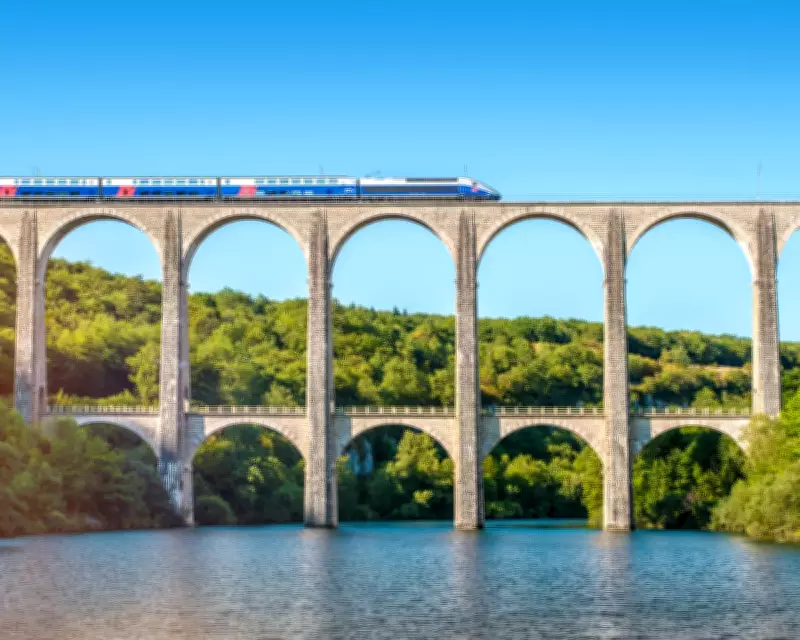
The recent introduction of child-free spaces on French high-speed trains has sparked a significant national conversation about family values, public space, and demographic challenges. France's national rail operator SNCF launched its new Optimum plus tariff earlier this month, offering premium seats on weekday TGV services between Paris and Lyon with a strict no-under-12s policy.
A Philosophical Clash Over Children's Place in Society
While the practical appeal of quiet carriages for business travellers is understandable, the move has triggered a strong philosophical backlash in a country traditionally celebrated for its family-friendly approach. Sarah El Haïry, France's high commissioner for childhood, articulated the central tension: "We can't on one hand say that we are not having enough children and on the other hand try to exclude them from everywhere."
This controversy highlights France's distinctive cultural approach to child-rearing, where children are typically treated as small but valuable members of society from an early age. The French concept of "l'âge de raison" (age of reason) at seven years old traditionally marks when children begin understanding right from wrong, yet SNCF's policy sets the behavioural threshold significantly higher at twelve.

France's Family-Friendly Traditions Under Scrutiny
France has long prided itself on creating environments where children participate fully in social life. From elaborate three-course school meals to the expectation that children politely greet neighbours and shopkeepers, French culture emphasises integrating young people into society rather than segregating them. The national rail service itself has historically supported this approach, with station staff distributing activity kits to young travellers during school holidays and summer trains frequently transporting unaccompanied children to camps.
As the debate intensified, SNCF attempted to contextualise the policy, noting that the child-free spaces represent just 8% of weekday seats on the Paris-Lyon route, with 92% of weekday seats and all weekend seats remaining available to everyone. The company eventually removed the explicit age reference from its website descriptions, but the philosophical discussion continues unabated.
Political Unity Against Child Exclusion
The controversy has created unusual political alliances, with figures from across the spectrum finding common ground in criticising the move. Socialist senator Laurence Rossignol previously proposed legislation to ban child-free spaces entirely, while current politicians from both right and left have denounced SNCF's approach. This bipartisan concern reflects broader anxieties about France's demographic future as birthrates decline.
Demographic Pressures and Family Policy
France faces significant demographic challenges despite maintaining the European Union's second-highest fertility rate in 2023. Recent statistics reveal a 24% decrease in births since 2010, with current rates falling below population replacement levels. President Emmanuel Macron's "demographic rearmament" initiative aims to address this decline through enhanced family support measures.
The government is introducing additional paid parental leave from this summer, building upon France's already substantial family support system that includes heavily subsidised childcare, free schooling from age three, and comprehensive holiday programmes. These concrete measures contrast sharply with symbolic exclusions like child-free train spaces, which critics argue send contradictory messages about society's commitment to families.
The Broader Implications of Exclusionary Policies
Beyond immediate practical concerns, the debate touches on fundamental questions about social inclusion and intergenerational responsibility. While creating child-free spaces might offer temporary peace for some travellers, critics argue such policies risk normalising the exclusion of children from public life. In a country grappling with demographic decline, making families feel unwelcome in public spaces could exacerbate existing reservations about starting families, particularly among those already concerned about climate change and living costs.

The strong reaction to SNCF's limited policy offers reassurance that France's family-friendly values remain deeply embedded. Ensuring children feel welcome in public spaces won't single-handedly reverse birthrate declines, but as the national conversation demonstrates, treating them as nuisances rather than future citizens meets with substantial resistance in a society that traditionally views child-rearing as a collective responsibility.