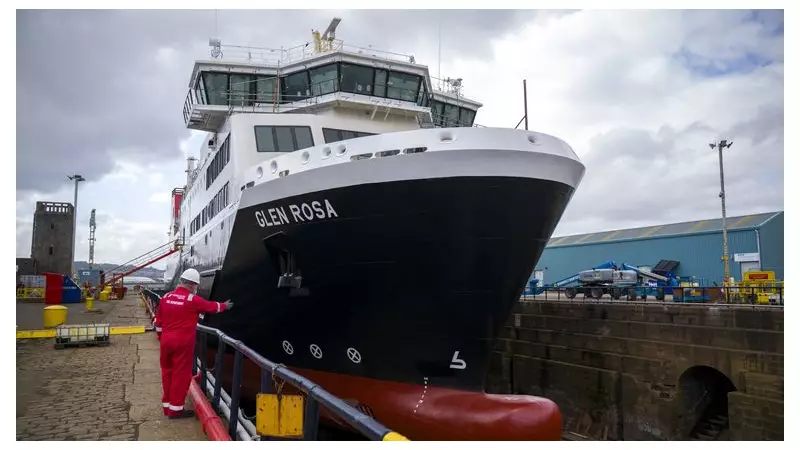
The beleaguered Ferguson Marine shipyard has announced a further significant delay to the delivery of the long-overdue and massively over-budget ferry Glen Rosa, pushing its expected arrival back until late 2026.
Latest Setback Due to Hull Defects
This latest postponement marks another chapter in the troubled saga of the two vessels being constructed at the Scottish government-owned yard in Port Glasgow, Inverclyde. The Glen Rosa had been slated for handover to operator CalMac in the second quarter of 2026. However, a recent period of drydocking in August uncovered serious problems, including a deterioration of the hull coating and corrosion within the stern tubes.
According to the yard, these defects necessitate another spell in drydock. The earliest available slot for this essential work is now later in 2026. Following the repairs, the vessel will still require sea trials and crew familiarisation, meaning it could be 2027 before the ferry enters service for island communities.

Soaring Costs and a Damaged Reputation
The announcement was made in a letter to the Scottish Parliament's Net Zero, Energy and Transport Committee. The Glen Rosa and its sister ship, the Glen Sannox, were originally due for delivery in 2018 to serve the route between the Isle of Arran and the Scottish mainland. While the Glen Sannox finally entered service in January 2025, the financial toll has been staggering.
The combined bill for the two ferries has soared to more than £460 million, a far cry from the initial contract price of £97 million. The new delays are almost certain to drive costs even higher.
Graeme Thomson, the yard's chief executive tasked with returning the facility to the private sector, expressed deep regret. "I am acutely aware of the disruption this causes and want to offer a sincere apology to all those impacted, particularly the island communities patiently waiting for the vessel to enter service," he stated.
Reactions from Unions and Government
Louise Gilmour, Scotland secretary for the GMB union, placed blame squarely on management and ministers, stating that "skilled and committed shipbuilders have been lions led by donkeys." She urged the Scottish government to recognise the yard's strategic value and secure its future.
Deputy First Minister Kate Forbes described the news as "deeply disappointing" and apologised to islanders. She acknowledged the necessity of the work to prevent future issues and pointed to positive steps being taken by the new management team to modernise operations and improve governance.
Despite the profound setbacks, Mr Thomson struck a note of determination, asserting that while the problems confirm historic systemic issues, they do not define the yard's future. "We are embarking on an ambitious modernisation journey," he said, "whilst we work extremely hard to deliver a Clyde-built vessel that showcases our commitment to the highest standards."