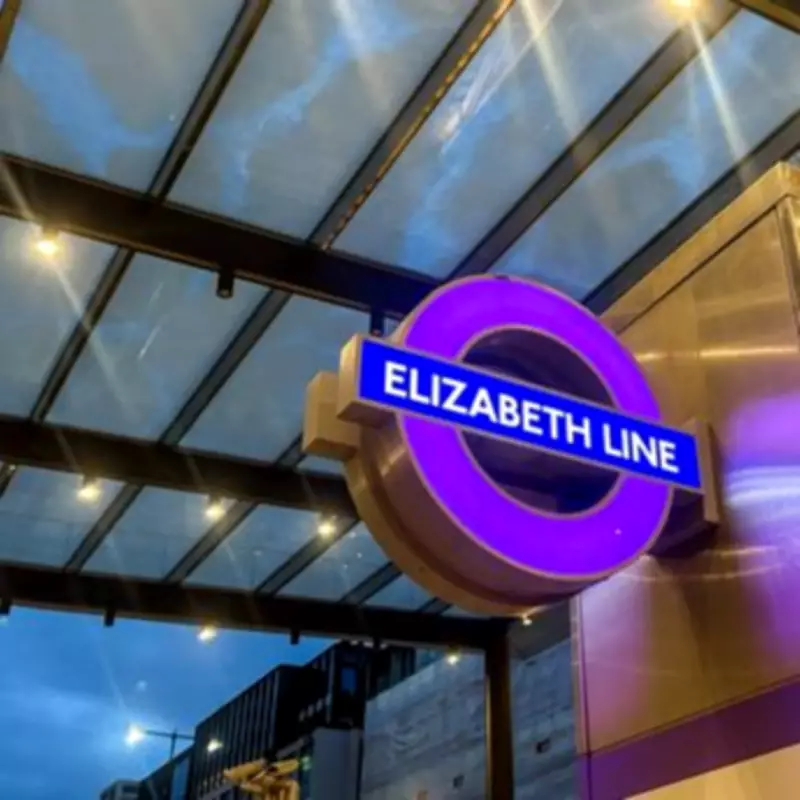
London's transport network has undergone remarkable transformations throughout its history, with ambitious projects frequently emerging, evolving, and sometimes disappearing before reaching fruition. Among these unrealised visions lies a particularly intriguing proposal that predates today's celebrated Elizabeth line by decades.
The Chelsea-Hackney Connection That Never Was
Long before Crossrail became the Elizabeth line, transport planners envisioned a more modest east-west connection that would have linked Chelsea in west London with Hackney in the east. This proposed railway line represented a significantly smaller undertaking than the monumental infrastructure project that eventually materialised as the Elizabeth line.
The Chelsea-Hackney scheme would have created a vital transport link between two important London districts, providing a direct connection that didn't previously exist in the capital's underground network. While not matching the extensive reach of today's Elizabeth line, the proposal contained provisions for potential future extensions that could have expanded its scope over time.

Political Intervention and the Thatcher Factor
Historical accounts suggest this transport proposal met its demise during the 1980s through political intervention at the highest level. According to persistent urban legend, when the Chelsea-Hackney line proposal reached then-Prime Minister Margaret Thatcher's desk, she reportedly expressed strong reservations about the project.
The story goes that Thatcher questioned her civil servants about the demographic composition of Hackney, reportedly remarking that residents of the area were unlikely Conservative voters. This political calculation, whether entirely accurate or somewhat embellished through retelling, allegedly contributed to the proposal's rejection during her administration.
What Might Have Been: Alternative Transport Futures
Had the Chelsea-Hackney line progressed beyond the planning stage, London's transport landscape might look substantially different today. The existence of this east-west connection could have potentially reduced the perceived necessity for what eventually became the Elizabeth line project.
Transport historians and urban planners continue to speculate about how this alternative timeline might have unfolded. The Chelsea-Hackney line would have served different communities and followed a different route than the Elizabeth line, potentially altering development patterns across central and east London.
The Legacy of Unbuilt Infrastructure
This forgotten proposal represents just one of many transport schemes that never progressed beyond the drawing board in London's long history of infrastructure planning. Such unrealised projects often reveal interesting insights about the political, economic, and social considerations that shape major urban developments.
The story of the Chelsea-Hackney line demonstrates how transport planning decisions can have decades-long consequences, with proposals resurfacing in different forms years after their initial conception. This particular idea has experienced something of a revival in recent discussions about Crossrail 2, which includes elements reminiscent of the original Chelsea-Hackney concept.
Contemporary Parallels and Future Projects
Today, transport discussions in London frequently return to the concept of additional cross-city connections, with Crossrail 2 proposals continuing to generate speculation among planners and commuters alike. Current suggestions for this potential future line include routes from Dalston to Wimbledon with a proposed station at King's Road Chelsea.
These contemporary proposals demonstrate how transport needs persist across generations, with similar geographical challenges prompting comparable solutions decades apart. The enduring interest in east-west connections underscores London's ongoing evolution as a global city requiring increasingly sophisticated transport infrastructure.
The story of the Chelsea-Hackney line serves as a fascinating footnote in London's transport history, reminding us that today's infrastructure realities represent just one possible outcome among many alternatives that were considered, debated, and sometimes rejected throughout the city's development.