A simple journey across Vienna provided a stark, unsettling lesson in just how grim public transport in the United Kingdom has become. For Sarah Bishop, who has split her life between Britain and Austria for the past five years, the contrast is a physical blow each time she returns home.
The Epiphany on the U-Bahn
The moment of clarity struck in Vienna's central first district, between Karlsplatz and Stephansplatz. The U-Bahn arrived precisely on time, with no huffing passengers or announcements apologising for delays. "If this were London, someone would already be apologising for the inconvenience," Bishop recalls thinking. This quiet, efficient operation is standard in the Austrian capital, a world away from the stressful commutes that define UK travel.
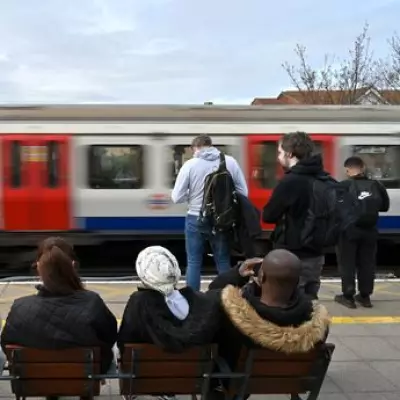
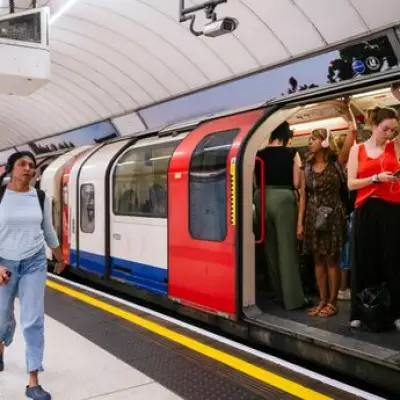
Her experience in Britain paints a very different picture. A former commute from South London involved crammed Southeastern Railway services from Abbey Wood to Charing Cross, followed by an overcrowded Tube journey to Bond Street. Moving to the Midlands for university offered no respite, just slower trains, infrequent buses, and exorbitant fares. A one-way ticket from Wolverhampton to London could easily exceed £100, a cost so high it felt like it should include champagne.

Affordability and Common Sense vs Chaos and Carpets
Vienna's system is built on logical, passenger-friendly principles. A single ticket grants access to trams, buses, the U-Bahn, and trains within the city. For journeys beyond, the cost of a Vienna ticket is deducted from the total fare. The pricing is transformative: a yearly pass for residents costs just €365, effectively one euro per day for unlimited travel. Visitors can opt for a 48-hour pass at €14.10. Compare this to London, where a one-day travelcard can cost nearly as much as Vienna's two-day tourist pass.
The physical environment underscores the philosophical divide. Vienna's vehicles, even older models, are immaculate. They feature practical rubberised flooring for easy cleaning, not the stained, coffee-soaked carpets endemic to British trains. Space for bicycles is standard, and connections are seamlessly timed.
Predictability, Peace, and a Different Mindset
For Bishop, who lives with AuDHD (ADHD with high-functioning autism) and its associated time blindness, Vienna's reliability is life-changing. Services are so predictable that she no longer needs to build contingency time into every plan. The U-Bahn runs every few minutes, with a 24/7 service on weekends and holidays. Weekday services run from 5am to midnight, with night buses and trams filling the gaps. This reliability gives back hours each week, reducing stress and allowing for spontaneous socialising.
Even when rare disruptions occur, the response is calm and informative. On a trip to Burgenland, a technical issue caused a delay. The driver immediately announced the problem in German and English, detailing the expected resolution time. This stands in sharp contrast to the UK's reliance on vague "signalling issues" and dreaded "replacement bus services."
Bishop admits to missing the peculiar British camaraderie that emerges during shared transport misery. Yet, she argues the core issue is not solely a lack of investment, but a fundamental difference in attitude. Vienna treats public transport as an essential public service, not a profit centre or an afterthought. This philosophy is why Vienna consistently ranks among the world's most liveable cities, proving that urban systems can work beautifully when designed with the citizen in mind.