Britain's flagship high-speed rail project, HS2, is poised for a significant reset as it grapples with delays and budget overruns, but a clear start date for the crucial tunnelling to its central London terminus has now been announced.
Project Reset: Addressing Cost and Delays
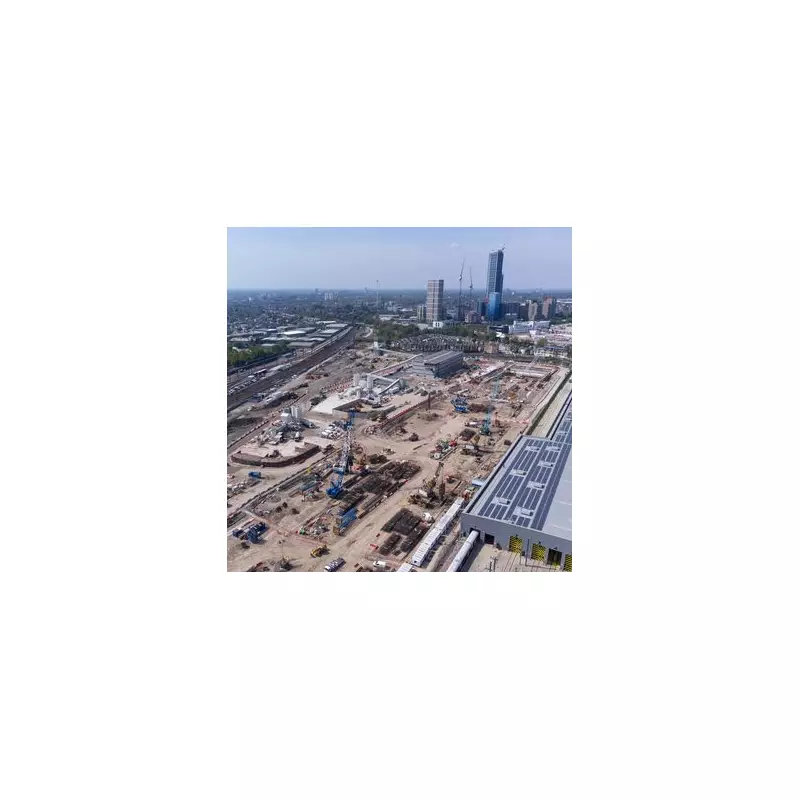
The CEO of the HS2 project, Mark Wild, delivered a sobering assessment in an October 2025 update, stating the project is "not where we planned it to be" and confirming it is behind its targets. This admission comes despite notable progress, including the completion of the Bromford Tunnels in the West Midlands, which marks the finish of all tunnelling for the 45-mile stretch between Old Oak Common and Birmingham's Curzon Street Station.
Dozens of bridges and viaducts have also been advanced, with construction on the new Curzon bridge set for completion in the coming months. To halt constant cost increases, the project will undergo a major overhaul focusing on three key issues: starting construction before design was finalised, problematic supply chain contracts, and the need for HS2 Limited to be better structured to deliver the entire system.

Secretary of State for Transport, Heidi Alexander MP, has stated that this reset will establish a new "baseline of cost and schedule." A report to Parliament in July 2025 highlighted that the project is forecast to deliver £10 billion in economic uplifts for the West Midlands and a further £10 billion around Old Oak Common over the next decade.
The Final Leg: Tunnelling to Euston
After initial uncertainty over whether HS2 would even reach Central London, the Chancellor confirmed the route would terminate at Euston. The government has now committed to funding the necessary tunnelling work.
Rail Minister Lord Hendy of Richmond has announced that work on the final 4.5-mile stretch of tunnel from Old Oak Common to Euston is expected to begin in 2026. He stated that two massive 1,250-tonne tunnel boring machines will start digging "fairly soon."
The tunnelling process itself is anticipated to take approximately 18 months to complete. The twin machines, named Karen and Madeline, will operate 24 hours a day to create the twin bores that will finally connect the high-speed line to its central London destination.
The Financial Footprint of HS2
The financial scale of HS2 continues to be a point of intense scrutiny. As of the end of April 2025, a total of £40.5 billion has been spent on the programme. The government forecasts an additional £7.2 billion will be spent between 2025 and 2026.
This figure stands in stark contrast to the initial construction estimate of £37.5 billion in 2009 prices, underscoring the significant cost escalations that have plagued the project. Once completed, the new high-speed route will cut journey times between Birmingham and London by 30 minutes, according to officials.