A major passenger train derailment in southern Mexico has resulted in a significant loss of life and dozens of injuries, casting a shadow over the country's transport network. The incident occurred in the state of Oaxaca, a region known for its challenging terrain.
Details of the Oaxaca Derailment
The disaster took place on Sunday, 29th December 2024, near the municipality of San Juan Yaee. According to official reports from Mexico's civil protection agency, a passenger train operated by the state-owned company Ferrocarril del Istmo de Tehuantepec (FIT) came off the tracks. The train was travelling on a newly inaugurated line intended to boost regional connectivity and tourism.
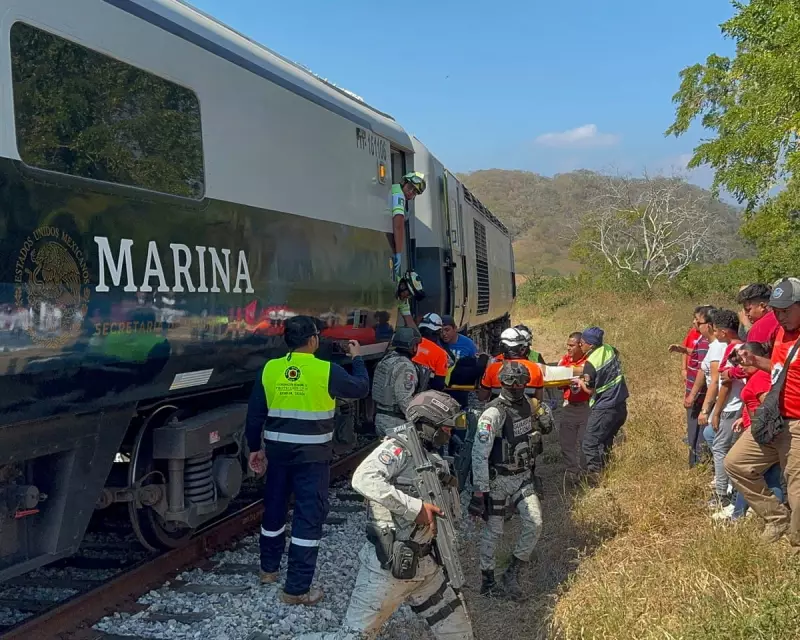
At least 14 people were killed in the crash, with the death toll feared to rise. A further 43 individuals sustained injuries, many of whom were transported to local hospitals for urgent medical care. The severity of the incident prompted a large-scale emergency response, with rescue workers and military personnel deployed to the remote site to extract survivors and recover the deceased.

Emergency Response and Investigation
Rescue operations continued through the night and into Monday, with teams working under difficult conditions. The derailed carriages were left strewn across the tracks, some severely damaged, complicating efforts to reach all passengers. Mexico's President, Andrés Manuel López Obrador, confirmed the tragic event and expressed his condolences to the families of the victims.
In the aftermath, a formal investigation has been launched to determine the precise cause of the derailment. Preliminary speculation from officials has pointed to a possible mechanical failure or an issue with the track infrastructure. The line in question is part of a flagship government project to develop a trade corridor across the Isthmus of Tehuantepec, linking the Gulf of Mexico with the Pacific Ocean.
Broader Implications for Rail Safety
This tragic event raises serious questions about the safety protocols and maintenance standards on Mexico's expanding rail network. The derailment represents one of the deadliest rail accidents in the country in recent years and is likely to trigger scrutiny of the government's ambitious infrastructure plans.
The incident serves as a stark reminder of the critical importance of rigorous safety checks and operational oversight in public transport systems. As families mourn and the injured recover, the focus for authorities will be on providing answers and ensuring such a catastrophe is not repeated. The investigation's findings will be closely watched both domestically and internationally.