Swiss Train Derailment and Avalanches Cause Chaos in Alps
A train derailment in Switzerland and a series of fatal avalanches in the Alps have resulted in multiple casualties and widespread disruption, as severe weather conditions continue to batter the region. The incidents, occurring in quick succession, have overwhelmed emergency services and raised urgent questions about safety protocols in mountainous areas during extreme weather events.
Train Derailment Details and Immediate Aftermath
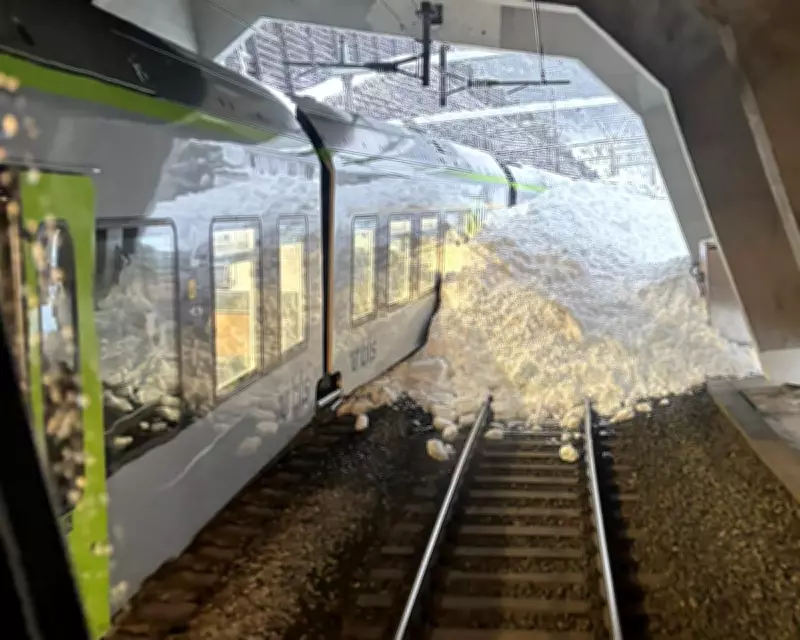
In Switzerland, a passenger train derailed on a mountainous route, leading to significant injuries and structural damage. The derailment, which happened during a period of heavy snowfall and high winds, forced the immediate evacuation of passengers and triggered a large-scale rescue operation. Authorities reported that the train was traveling at a reduced speed due to the adverse conditions, but the exact cause of the derailment remains under investigation, with initial assessments pointing to possible track obstructions or weather-related failures.
Emergency responders worked tirelessly to reach the site, battling treacherous roads and limited visibility. Hospitals in nearby towns were placed on high alert to treat the injured, while transportation officials issued warnings for travelers to avoid non-essential journeys in the affected areas. The derailment has caused major delays on regional rail networks, with services suspended indefinitely as engineers assess the damage and ensure safety before resuming operations.

Avalanches in the Alps: Multiple Fatalities Reported
Simultaneously, the Alps experienced several deadly avalanches, resulting in multiple fatalities and trapping numerous individuals in remote locations. The avalanches, triggered by the same severe weather system that caused the train derailment, struck popular skiing and hiking areas, catching many off guard despite prior warnings. Rescue teams, including helicopter units, were deployed to search for survivors, but their efforts were hampered by ongoing snowfall and avalanche risks, making access to some sites nearly impossible.
Local authorities have urged residents and tourists to stay indoors and avoid venturing into backcountry zones until conditions improve. The avalanches have not only claimed lives but also damaged infrastructure, including roads and power lines, isolating some communities and complicating relief efforts. Weather forecasts predict continued storms, raising fears of further avalanches and prolonging the crisis.
Broader Implications and Safety Concerns
These incidents highlight the growing challenges posed by extreme weather in alpine regions, where climate change is increasingly linked to more frequent and intense storms. Experts warn that such events could become more common, necessitating enhanced safety measures and better preparedness from both authorities and the public. In response, Swiss and Alpine regional officials are reviewing current protocols, including avalanche monitoring systems and transportation safety standards, to prevent future tragedies.
The economic impact is also significant, with tourism and transportation sectors facing substantial losses due to cancellations and closures. As recovery operations continue, the focus remains on supporting affected families and communities while addressing the underlying environmental factors contributing to these disasters. This series of events serves as a stark reminder of the vulnerabilities in mountainous areas and the urgent need for adaptive strategies in the face of changing climate patterns.