Track Failure Investigated as Cause of Deadly Spanish Rail Collision
Investigators probing Spain's worst rail disaster in over a decade have identified a critical track defect as the probable cause of a catastrophic high-speed train collision in southern Andalusia. The incident, which occurred on Sunday evening in Adamuz, Córdoba province, resulted in at least 45 fatalities and left 292 people injured, marking a devastating blow to the nation's extensive rail network.
Sequence of Events in the Andalusia Disaster
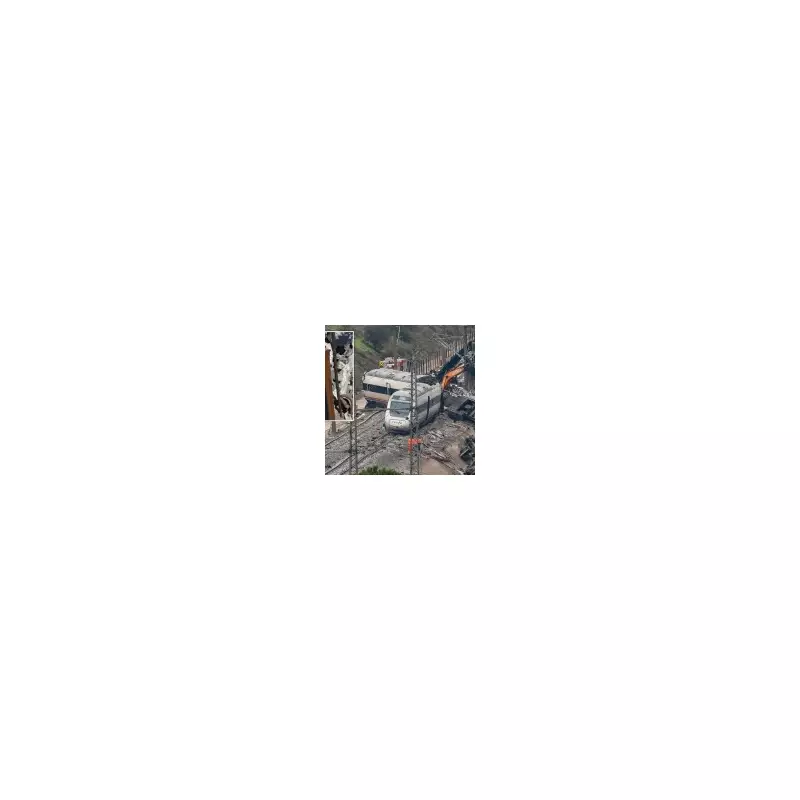
The collision involved an Iryo service, train 6189, travelling from Malaga to Madrid, and a Renfe-operated Alvia express train moving in the opposite direction from Madrid to Huelva. At approximately 7:43 pm, the Iryo train derailed after encountering a fractured section of rail. Within a mere 20 seconds, the derailed carriages obstructed the adjacent line, where they were struck by the oncoming Alvia train. With both trains exceeding speeds of 200 kilometres per hour, there was virtually no opportunity to avert the tragedy.
Preliminary forensic analysis has revealed telltale markings on the wheels of several Iryo carriages, consistent with a 40-centimetre break in the track. Experts suspect that metal fatigue, potentially developing over an extended period, led to the rail's failure. By the time the sixth carriage passed over the compromised section, the track completely gave way, precipitating the derailment and subsequent collision.

Investigation Focuses on Infrastructure and Human Factors
Spanish authorities have swiftly ruled out human error by the drivers, shifting scrutiny squarely onto the railway infrastructure. The investigation has uncovered that at least three other trains traversing the same Adamuz line in the hours preceding the crash exhibited similar wheel dents, suggesting the defect was present but undetected. Rail samples have been dispatched to a specialist metallographic laboratory for exhaustive testing to determine the root cause, which could include a manufacturing flaw or impact damage from prior train movements.
In a sobering development, black box recordings from the Iryo train revealed a tragic communications breakdown. The driver, unaware of the severity after derailing, was erroneously assured by a Madrid control room operator that no other trains were approaching, unbeknownst that the Alvia collision had already occurred. Meanwhile, a staff member on the Renfe service, where the driver had perished, was heard desperately reporting, 'I have blood on my head,' highlighting the chaos and human toll.
Political and Infrastructure Repercussions
Transport Minister Óscar Puente cautioned that the findings are not yet definitive but represent a crucial update in the ongoing probe. Opposition parties have seized upon the disaster to criticise perceived underinvestment in Spain's rail infrastructure, despite claims from Adif, the state railway infrastructure manager, that the Adamuz section was upgraded in May 2025 and inspected as recently as January 7, 2026.
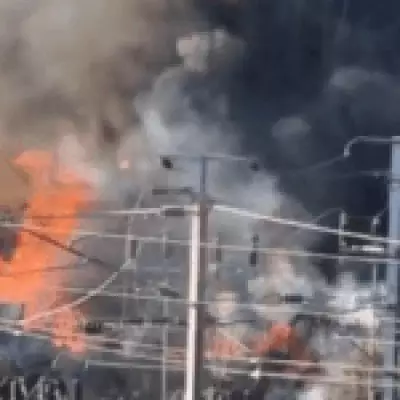
The collision underscores vulnerabilities in Spain's high-speed network, the world's second-largest with over 3,000 kilometres of track and more than 25 million annual passengers. This incident was tragically one of at least four rail accidents across Spain in the same week, including a commuter train derailment in Gelida, near Barcelona, that killed a driver amid Storm Harry, and another in Cartagena where a train struck a construction crane, injuring several.
Human Stories Amid the Tragedy
Among the survivors was a six-year-old girl who lost her parents, brother, and cousin in the crash; the family had been returning from a trip to Madrid to watch a football match and The Lion King musical. In a rare moment of relief, a dog travelling on the Iryo train was found alive by firefighters days later, offering a small glimmer of hope amidst the devastation.
As investigations continue and Spain mourns, this disaster prompts urgent questions about maintenance protocols, inspection regimes, and the resilience of critical transport infrastructure in the face of increasing operational demands and environmental pressures.