Two More Train Operators Brought Under Public Control in Major Rail Restructuring
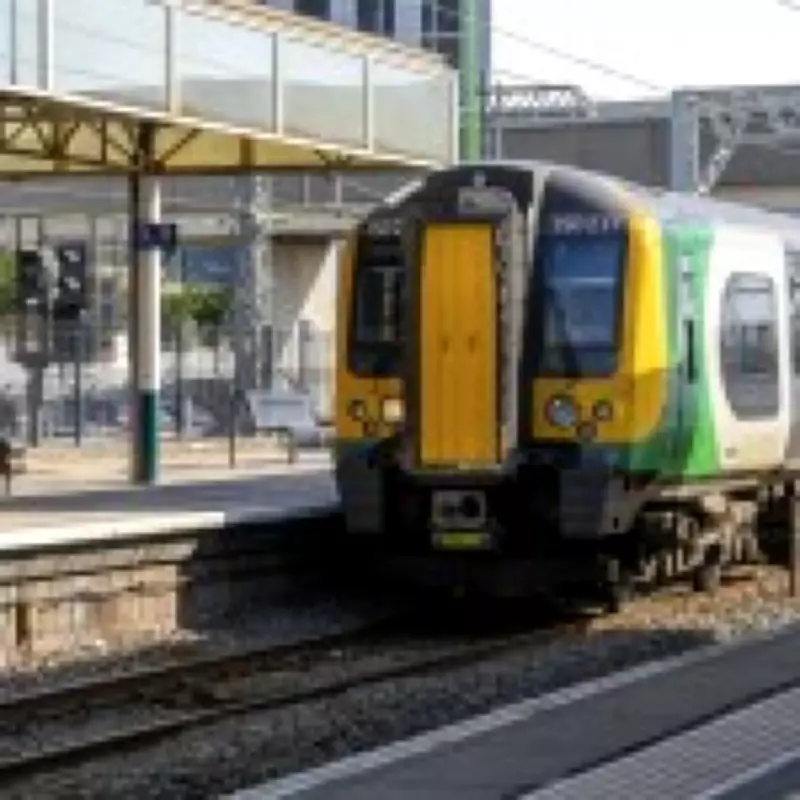
The UK's railway transformation continues to gather pace with two more train companies being brought into public ownership this week. London Northwestern Railway and West Midlands Railway have become the latest operators to be nationalised as part of the government's ambitious plan to create Great British Railways.
Latest Nationalisations Mark Significant Milestone
Transport Secretary Heidi Alexander announced that from this Sunday, both London Northwestern Railway and West Midlands Railway will operate as publicly owned services. This move follows the earlier nationalisation of c2c, South Western Railway, and Greater Anglia, demonstrating the steady progress toward a unified railway system.
"From this Sunday, the thousands of passengers who travel with London Northwestern Railway and West Midlands Railway will be using services that are owned by the public and run with their interests at heart," declared Ms Alexander during the announcement.

The Transport Secretary emphasised that this represents a crucial step in reforming what she described as a "fragmented system", with the ultimate goal of delivering more reliable services that rebuild passenger trust and regenerate communities along railway routes.
Great British Railways: The Vision Taking Shape
These latest nationalisations form part of the broader push toward establishing Great British Railways, the publicly owned train operator scheduled for full launch next year. The organisation aims to revolutionise train travel through more reliable and punctual services, along with simplified ticketing accessible through a single application.
Speaking exclusively to Metro from her office, Ms Alexander revealed that eleven operators will be publicly owned by the end of 2026, fulfilling a key Labour election manifesto commitment. "I think people will start to feel that things are changing when it comes to the trains – better train services and better times ahead," she stated optimistically.
What This Means for Passengers and Routes
The nationalisation of London Northwestern Railway and West Midlands Railway is expected to bring improved connections for passengers along these vital routes:
- London Northwestern Railway operates services between Liverpool and Birmingham, as well as along the West Coast Main Line to and from London Euston
- West Midlands Railway provides connections across the West Midlands region via Birmingham New Street and Birmingham Snow Hill stations
Once fully established, Great British Railways will oversee both train operations and railway infrastructure, including tracks and signals currently managed by Network Rail. Nationalised operators will eventually display the distinctive Great British Railways branding alongside their existing logos.
The Ticket Price Question and Performance Realities
While passengers naturally wonder whether nationalisation will lead to cheaper tickets, Ms Alexander offered measured expectations. "I would love to be able to tell your readers that I would be able to bring ticket prices down, but I can't do that at the moment," she acknowledged.
Instead, the immediate focus remains on delivering "decent value for money" through more reliable services, fewer cancellations, and an enhanced passenger experience. Recent performance data from the Office of Rail and Road reveals mixed results:
- 84.8% of trains arrived on time between July and September last year, representing a slight 0.3% decrease from the same period in the previous year
- Cancellations showed improvement, with 3.7% of services cancelled during this period – 0.5% better than the previous year
- Severe disruption occurred on fifteen days during the monitored quarter
Further Nationalisations Planned for 2026
The railway restructuring shows no signs of slowing, with several more operators scheduled for transition to public ownership this year. Govia Thameslink Railway will undergo the overhaul on May 31, 2026, followed by Chiltern Railways and Great Western Railway, though exact dates for these latter transitions remain to be confirmed.

It's important to note that not all UK train companies will be nationalised. Some operators, including Northern, Southeastern, TransPennine Express, and LNER, already operate under public ownership. The selective approach reflects the government's strategy of creating a more cohesive railway system while maintaining certain existing structures.
As the historic transformation of Britain's railways continues, passengers can expect ongoing changes to services and operations. While disruption remains a reality during this transitional period, the government maintains that the long-term benefits of a unified, publicly accountable railway system will justify the temporary challenges.