Victoria's Infrastructure Adviser Calls for Transport Overhaul
Victoria's independent infrastructure adviser has unveiled a comprehensive 30-year blueprint demanding significant improvements to the state's public transport network, including cheaper off-peak fares and expanded services across Melbourne's growing suburbs. Infrastructure Victoria's 45 final recommendations, released this week, aim to address the dual challenges of climate change and rapid population growth threatening the state's infrastructure.
Immediate Service Improvements Proposed
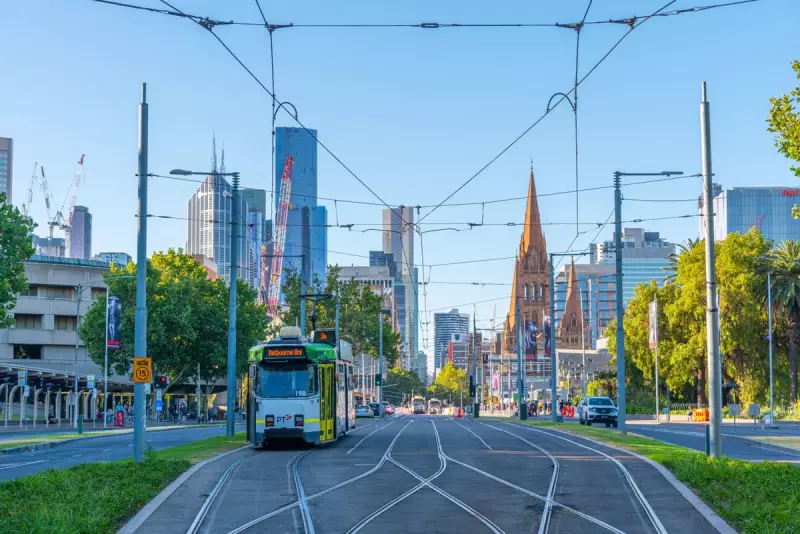
The ambitious plan calls for immediate action within the next five years, including ramping up train services in Melbourne's north and west, extending eight tram routes, and creating six new express bus services. Dr Jonathan Spear, Chief Executive of Infrastructure Victoria, emphasized the plan focuses on maximizing recent investments, particularly Melbourne's new Metro Tunnel scheduled to begin passenger services in December.
Modelling reveals stark disparities in service quality across the city. Residents in northern suburbs like Coburg and Brunswick currently wait up to 20 minutes for trains during peak times, four to five times longer than comparable stations in Melbourne's south-east. Trams on Sydney Road are already 27% slower than the network average due to mixed traffic.

Addressing Melbourne's Growth Hotspots
The report identifies Melbourne's rapidly expanding western suburbs as particularly poorly served, with 63% of residents driving to work compared to 32% in inner Melbourne. Recommended solutions include extending Metro train services to Melton, adding tracks from Sunshine to Caroline Springs, and building new stations at Thornhill Park, Mount Atkinson and Altona North.
For areas beyond the train network, the adviser proposes six new bus rapid transit networks using larger buses with dedicated lanes, similar to systems operating in Sydney, Brisbane and Adelaide. The plan also advocates for expanding bus and coach services in regional areas where passenger rail isn't viable.
Financial Incentives and Long-Term Vision
Among the most significant recommendations is introducing cheaper off-peak public transport fares. Infrastructure Victoria's research indicates bus passenger numbers can increase by up to 19% for every $1 fare discount. The plan also renews calls for collaboration with the Commonwealth to introduce a road user charge, following the High Court's rejection of the state's previous electric vehicle levy.
The Victorian government, which has set a target of 800,000 new homes by 2034, must now respond to the recommendations within a year. With the state's population forecast to grow by 4 million people over the next three decades, these infrastructure improvements are considered crucial for managing future demand and reducing environmental impact.