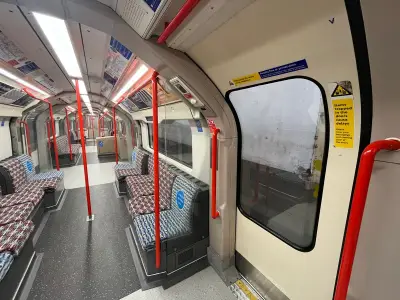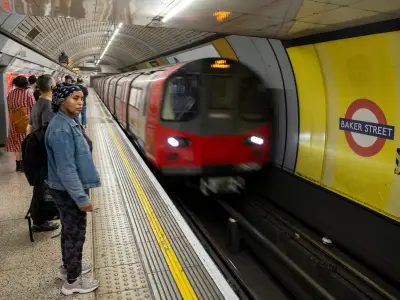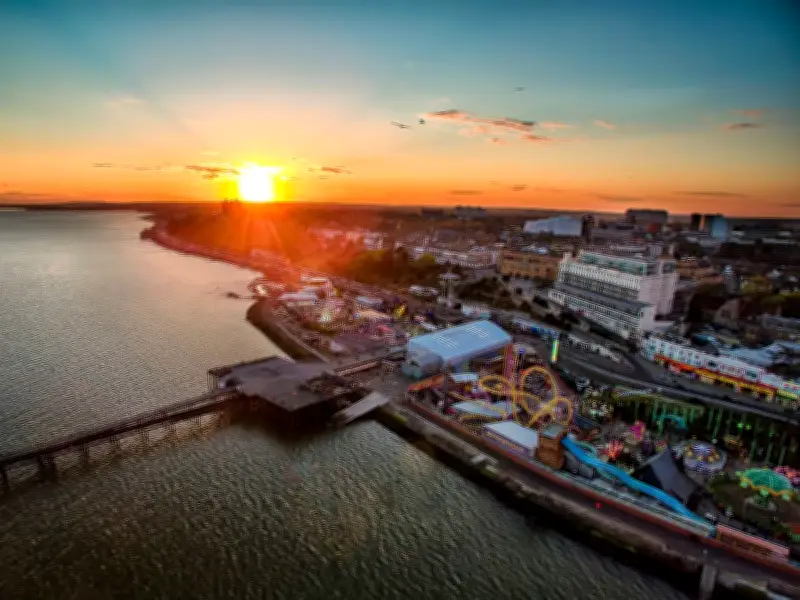
In the early 20th century, Londoners could travel from Ealing Broadway all the way to the Essex seaside town of Southend-on-Sea using the District line, which later became part of the London Underground. This service ran from 1910 to 1939, offering a direct route to the coast without changing trains.
How the District line reached the seaside
The District Railway, one of the earliest underground railways, expanded eastward in the late 19th and early 20th centuries. By 1902, it had extended to Upminster. In 1910, it struck a deal with the London, Tilbury and Southend Railway (LTSR) to run its trains along the LTSR tracks to Shoeburyness, bypassing the need for passengers to change at the network's edge.
In exchange, the LTSR gained permission to use District Railway tracks between Whitechapel and Bow, avoiding the restrictive Fenchurch Street terminus. This agreement allowed District line trains to operate from Ealing Broadway, through central London, and non-stop between Barking and Leigh-on-Sea before reaching Southend-on-Sea and Shoeburyness.

A popular service for day-trippers
By 1910, Southend-on-Sea had become one of the UK's most popular seaside destinations, with attractions like the Kursaal amusement park drawing large crowds. The District line service provided a convenient way for Londoners to enjoy a day at the beach. According to Essex Live, the trains were a firm favourite with day-trippers.
The service ran successfully for 29 years before ending in 1939. The exact reasons for its closure are unclear, but it may be linked to the District Railway's takeover by London Transport in 1933, which later became Transport for London. The outbreak of the Second World War also halted leisure travel.
Legacy and modern connections
After the war, the direct service from Ealing Broadway to Shoeburyness was never reinstated. Today, Southend residents can reach the Tube by taking the c2c line and changing at stations such as Upminster, Barking, West Ham, Limehouse, or London Fenchurch Street. Notably, the first three of these are predominantly District line stations.
Essex still maintains strong connections with the London Underground. The Central line serves Epping, Chigwell, and Buckhurst Hill, while the Elizabeth line extends to Brentwood and Shenfield. The historic District line route to the seaside remains a fascinating chapter in London's transport history.