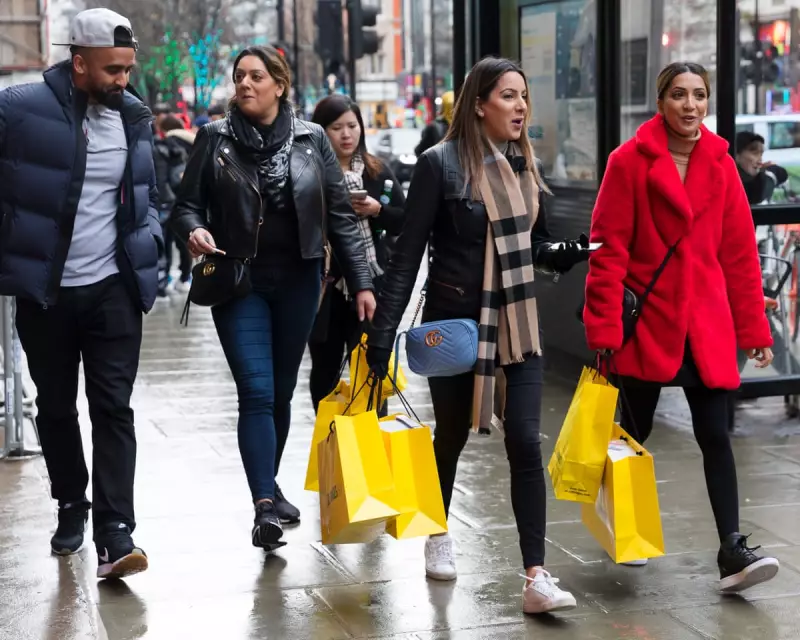
A recent Guardian article about self-styled 'pavement vigilante' Cameron Roh has sparked heated debate about walking etiquette in British cities, with critics questioning the approach and its implications for public space.
The Academic Challenge
Dr Tiziana Morosetti, an Italian academic based in London, has voiced strong concerns about Roh's campaign to publicly shame people for their walking behaviour. She draws parallels between such vigilantism and fascist tendencies, while highlighting contradictions in the argument that roads are for everyone yet those wanting a stroll should 'go to a park'.
'How about areas that don't have a park?' Morosetti questions. She emphasises that in our disconnected world, conversations between people walking together shouldn't automatically warrant public shaming. The academic also raises crucial questions about hidden disabilities that might not be immediately apparent to observers.

Real-World Consequences
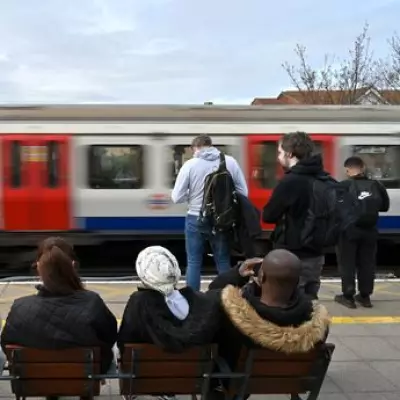
Speaking from personal experience as a mother, professional and stalking victim, Dr Morosetti reveals she has often needed to check her phone while walking to the tube station. While always striving to be considerate to fellow pedestrians, she argues that vulnerable people shouldn't face additional anxiety about being filmed by strangers.
The mother firmly rejects the notion that pedestrians should walk in 'efficient single lines' to satisfy self-appointed judges of pavement behaviour. Her perspective highlights how complex individual circumstances can affect how people navigate urban spaces.
Alternative Solutions Proposed
Meanwhile, Richard Dargavel from Manchester suggests bringing the countryside code to city streets as a potential solution to pavement conflicts. He proposes that pedestrians should face oncoming traffic when passing each other, similar to rules followed on country roads without pavements.
This ongoing debate touches on fundamental questions about shared public spaces, personal freedom and community responsibility in UK cities. As urban density increases and pavements become more crowded, finding balanced approaches to pedestrian etiquette remains challenging for councils and citizens alike.