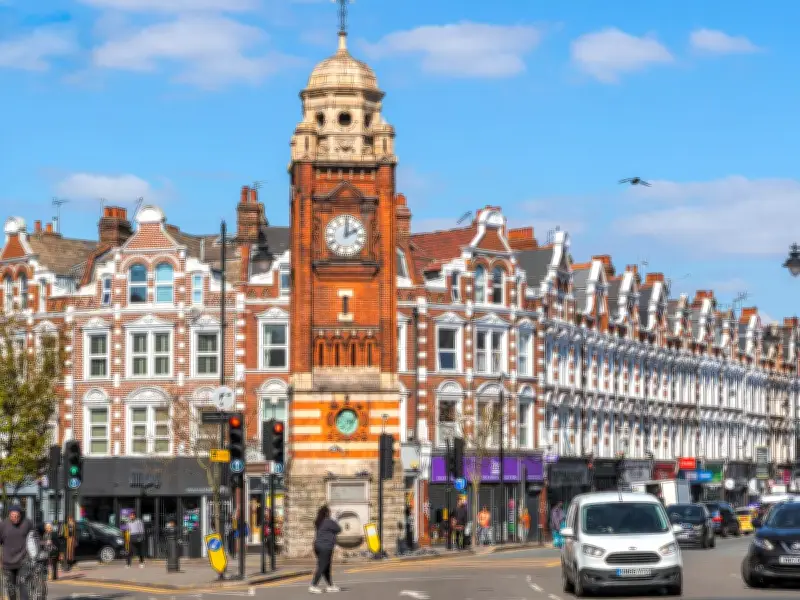
Crouch End is a captivating London neighbourhood that feels like a village within the city, boasting Victorian charm, cobbled streets, thriving independent shops, and a rich community spirit. Located just 35 minutes from Victoria Station, nestled between Finsbury Park and Wood Green, this area transports visitors to another era with its vintage boutiques, independent retailers, and an impressive 19th-century clock tower.
What Sets Crouch End Apart?
According to Hornsey Town Hall, "Crouch End is a captivating neighbourhood that exudes a bohemian charm unlike any other in London. With its quirky character, artistic flair, and vibrant community, living in Crouch End offers a unique and enriching experience." They added: "Crouch End is often affectionately referred to as 'a village within the city,' and for good reason. Despite being only a few miles away from the bustling heart of London, this neighbourhood feels worlds apart."
The highlight of exploring this neighbourhood is discovering its wealth of independent shops, kept flourishing by a fiercely loyal community. From organic health stores trading since 1986 to a florist, garden, and pet shop open seven days a week, there's a remarkable variety of retailers tucked around every corner.

Standout fashion destinations include Rhoda, a boutique showcasing original pieces from both local and international artists, alongside trinkets, mugs, jewellery, ceramics, and much more. The shop has been a fixture since 1998, founded by three sisters with a shared vision. A statement on its website read: "Our store is a labour of love and a testament to the power of meaningful connections. Our passion for curating unique fashion and heartfelt gifts led to the establishment of our shop, and we've been spreading the joy ever since."
Food and Entertainment
The area draws visitors equally for its food and entertainment offerings. A brief stroll through the suburb reveals bakeries, pubs, restaurants, and cafés at every turn. For an indulgent treat in a gorgeously decorated setting, Sourdough Sophia comes highly recommended. The Baileys-filled croissant and velvety hot chocolate are not to be missed.
Crouch End has long nurtured a vibrant creative spirit, drawing artists, writers, musicians, and actors for decades. The ArtHouse Crouch End, nestled within a former Salvation Army Hall, serves as a cherished cultural hub, while pubs and venues throughout the neighbourhood host an eclectic programme of both emerging and established live music acts.
During a visit in early June, I stumbled upon Crouch End's annual festival at Hornsey Town Hall in the neighbourhood's centre – reportedly one of the UK's biggest independent community festivals. The event was established to unite local creatives to celebrate both the community and the arts.
A Brief History of Crouch End
Crouch End began as a modest rural settlement at the crossroads of historic routes, deriving its name from a wooden cross that previously stood where the Clock Tower now sits. For centuries, it remained predominantly agricultural until the railway's arrival in late 1867 triggered swift expansion. New housing, retail outlets, and commercial enterprises converted the locality into a flourishing Victorian suburb, and by the close of the 19th century, it became Hornsey's commercial centre.
The distinctive Clock Tower, still standing today, was constructed in 1895 to commemorate local reformer Henry Reader Williams, symbolising Crouch End's evolution. Over 130 years on, it continues to be the area's most recognisable landmark and the focal point of the local community.

Why Is the Area So Hidden?
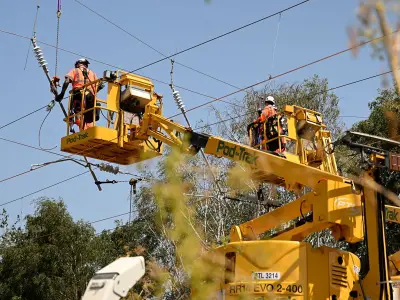
Crouch End lacks a railway station, with no Underground or Overground services. The nearest stations are Finsbury Park, Archway, Hornsey, and Crouch Hill. According to Ham High, "The line never quite achieved its potential in terms of passenger numbers." They added: "In the mid-1930s, a plan was devised to incorporate the track and stations into London Underground's Northern Line. Work on electrification was started but then halted early in the Second World War and subsequently abandoned. A peak-hours-only service was maintained using locomotives and rolling stock almost as old as the stations - but that simply staved off the inevitable, and Crouch End and the handful of other stations on the line closed to passenger traffic in July 1954."
While Crouch End isn't widely recognised as a tourist hotspot, those who stumble upon it tend to fall in love with the area. American travel blogger A Lady in London visited the neighbourhood and wrote: "Crouch End is one of my favourite under-the-radar London neighbourhoods. It has lots of independent shops and restaurants, vibrant streets, and great views of London. East of Highgate and south of the Alexandra Palace, it stays incognito partly because it's not really on the tube."
Beyond its charming, picturesque appeal, locals cherish the area for its close-knit, welcoming community spirit that encourages residents to look after one another – a rarity in the capital. Judith Abbs, who has lived in the area for several years, said: "We thought we knew Crouch End quite well before we moved here five years ago. But one wonderful surprise has been how many friendly people we meet. My husband is disabled, and a passing stranger often stops to ask if they can help. It really has a strong community feel."