

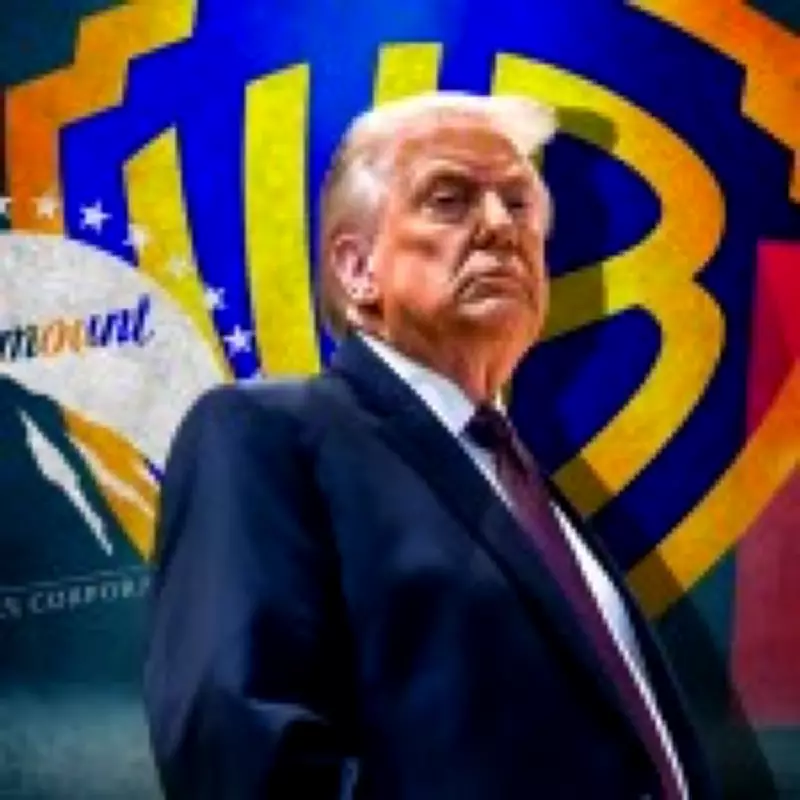
Netflix Withdraws from Warner Bros Deal Following Paramount's $111 Billion Bid
In a dramatic turn of events, Netflix has officially pulled out of its proposed deal with Warner Bros Discovery after Paramount Skydance submitted a superior bid valued at $111 billion, equivalent to approximately £82.2 billion. This decision marks the end of a months-long acquisition battle that has captivated the entertainment industry and political circles alike.
Financial and Strategic Implications
Netflix confirmed its withdrawal in a statement released on Thursday, with CEO Ted Sarandos explaining that matching Paramount's increased offer was no longer financially attractive. The streaming giant emphasized that the transaction was always a "nice to have" at the right price, not a "must have" at any cost. This move comes shortly after Sarandos was seen attending a meeting at the White House, though Netflix maintains the deal's collapse is purely business-driven.
Meanwhile, Paramount's chairman and CEO, David Ellison, expressed satisfaction that Warner Bros Discovery's board unanimously affirmed the superior value of their offer, which promises shareholders enhanced value, certainty, and speed to closing. Warner Bros Discovery CEO David Zaslav echoed this sentiment, highlighting the potential for tremendous shareholder value creation through the merger agreement.

Political Controversies and Regulatory Hurdles
The proposed merger faces significant regulatory scrutiny, with antitrust tests and approvals from U.S. and European authorities required before it can proceed. Concerns have been raised by industry insiders, government figures, and the public regarding Ellison's connections to former U.S. President Donald Trump. Ellison, son of billionaire Oracle co-founder and major Republican donor Larry Ellison, took over Paramount in August 2025 after the company was in deep financial distress.
His tenure has been marked by controversial moves, including installing conservative commentator Bari Weiss as Editor-in-Chief of CBS and settling a lawsuit over the editing of a Kamala Harris interview. Additionally, Ellison was invited as a guest to Trump's State of the Union address by Republican Senator Lindsey Graham, just days before the bid announcement. Trump has previously called for Netflix to fire board member Susan Rice and implied support for Paramount's bid, which includes purchasing CNN, a network he has criticized.
Industry and Public Reaction
Democratic figures, such as Senator Elizabeth Warren, have labeled the situation as "crony capitalism," accusing Trump of corrupting the merger process in favor of the Ellison family. Tom Steyer, a Democratic candidate for governor of California, described the potential deal as "oligarchy in full effect." Watchdog groups, including Free Press, warn that the merger could lead to sweeping changes at CNN, endangering journalistic integrity and democracy.
Social media users have expressed fears about media consolidation, with one noting that Trump would effectively own everything if the deal proceeds. An anonymous CNN producer warned that a merger could be disastrous for employees and the network's legacy. However, Warner Bros Discovery executives have urged staff not to jump to conclusions, as the acquisition's implications remain unclear.
Content and Future Outlook
If approved, Paramount would gain ownership of Warner Bros Discovery's extensive portfolio, including HBO Max, CNN, and iconic intellectual properties like Harry Potter, Game of Thrones, Superman, Barbie, and The Lord of the Rings. Hit TV shows such as The White Lotus and Succession would also become part of Paramount's content library.
California Attorney General Rob Bonta has emphasized that the merger is not a done deal, with an open investigation by the California Department of Justice. The deal must navigate rigorous antitrust reviews from multiple regulatory bodies, including the U.S. Department of Justice and European regulators. States retain the power to sue to block the merger, though the DOJ holds the most resources for such actions.
As the entertainment industry braces for a potential Hollywood shakeup, the focus remains on the financial, political, and regulatory challenges that will determine the fate of this monumental acquisition.






