

A federal panel reviewing former President Donald Trump's proposed $400 million ballroom addition to the White House has unexpectedly postponed a crucial vote, delaying a decision on the controversial project until next month. The National Capital Planning Commission (NCPC) cited an unprecedented volume of public input, with the majority of comments opposing the plan, as the reason for the delay.
Postponed Vote Amid Public Backlash
The NCPC, which was expected to cast a final vote on Thursday, announced that the decision will now be held on April 2. Commission chair Will Scharf, a top aide to Trump, stated at the meeting's outset that the panel needs more time to deliberate due to the "large amount of public input" received. This move comes after the commission released over 9,000 pages of public comments, revealing that more than 35,000 individuals submitted written feedback, with a significant majority condemning the project.
Details of the Ballroom Proposal
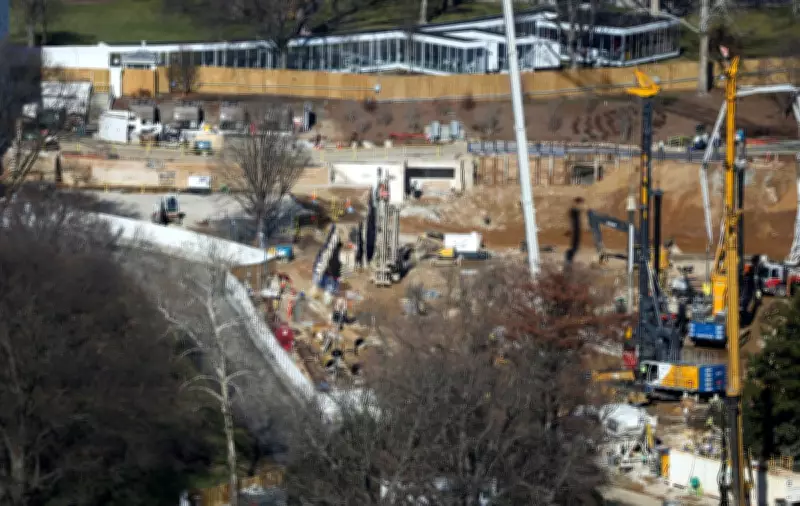
Trump's plan involves constructing a 90,000 square foot ballroom on the site of the demolished East Wing of the White House, a process that began in October. White House officials initially argued that the demolition did not require NCPC approval, promising to present construction plans to the proper commissions later. Trump has estimated the ballroom's cost at approximately $400 million, claiming it will be financed through private donations.

A recent analysis by the New York Times found that more than 98% of roughly 32,000 submitted comments opposed the ballroom, with many critics describing the proposed design as "gaudy and cheap." In response, White House press secretary Karoline Leavitt dismissed the negative feedback, attributing it to an "organized campaign of Trump-deranged liberals who clearly have no style or taste."
Regulatory and Legal Challenges
The postponed vote occurs as Trump has appointed allies to key positions on the NCPC. Earlier this week, the NCPC executive director recommended approval of the preliminary and final site plans for the East Wing Modernization Project. Additionally, the Commission of Fine Arts, another review body where Trump has installed loyalists, voted to approve the ballroom project last month.
Historic preservationist groups have actively resisted the project, with the National Trust for Historic Preservation filing a federal lawsuit in December. The lawsuit seeks to block construction, arguing that the administration violated multiple laws by tearing down parts of the White House without proper review. Although a federal judge declined to temporarily halt construction last week, the group plans to file an amended lawsuit, continuing the legal battle.
The Associated Press contributed to this report, highlighting the ongoing tensions between development ambitions and preservation efforts in the nation's capital.






